First Impressions
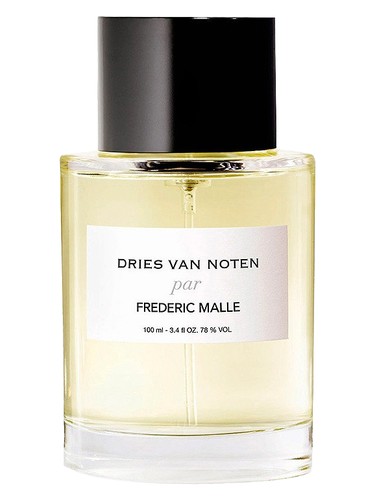
There''s something quietly radical about Dries Van Noten par Frederic Malle. From the first spray, it announces itself not with bombast but with conviction—a warm, woody embrace that feels simultaneously familiar and entirely novel. This is a fragrance that understands restraint, befitting a collaboration between fashion designer Dries Van Noten, known for his intellectual approach to print and pattern, and perfumer extraordinaire Frederic Malle, who has built an empire on artistic integrity.
The opening reveals a composition that feels less like a traditional perfume structure and more like an olfactory sculpture, with woody notes dominating from the very first moment. There''s warmth here, certainly, but it''s the kind of warmth you find in a sun-bleached wooden deck or aged sandalwood prayer beads—textured, lived-in, carrying stories within its grain.
The Scent Profile
What makes Dries Van Noten par Frederic Malle particularly fascinating is how it eschews the conventional pyramid structure for something more architectural. The woody accord stands at absolute attention—a full, uncompromising 100% presence that forms the backbone of everything that follows. But this isn''t a simple wood sketch; it''s richly ornamented.
Warm spices weave through at 71%, creating a tapestry that suggests cardamom-dusted coffee, cinnamon bark, and the subtle heat of pink peppercorns without ever becoming culinary. These spices don''t simply sit atop the woods—they inhabit them, as if the timber itself were aromatic.
At 51%, vanilla enters the composition not as sweetness but as creaminess, a smoothing agent that rounds sharp edges and adds a tactile quality to the scent. It''s the vanilla of aged bourbon barrels rather than birthday cake. The powdery facet at 47% contributes an almost iris-like softness, while balsamic undertones at 38% add resinous depth—think labdanum and benzoin creating a golden, slightly amber-tinged foundation.
A whisper of fresh spice at 26% keeps the composition from becoming too somnolent, adding just enough vivacity to maintain interest. The overall effect is of a fragrance that remains largely consistent throughout its wear, evolving primarily in intensity rather than character—a slow, satisfying fade rather than a dramatic transformation.
Character & Occasion
The community has spoken clearly about when this fragrance truly shines. Fall claims it completely at 100%, and it''s easy to understand why—this is liquid autumn, capturing the transition from warmth to cold, the crunch of leaves underfoot, the comfort of cashmere. Winter follows closely at 89%, where the spices and woods provide olfactory insulation against the cold.
Spring at 42% is still viable territory, particularly on cooler days, though you''ll want to apply with a lighter hand. Summer, at just 15%, is decidedly not this fragrance''s season—the warmth and richness would likely overwhelm in heat and humidity.
The day/night split is illuminating: 67% for day and 75% for night suggests remarkable versatility. This is a fragrance equally at home in a design studio or gallery opening during daylight hours as it is at an intimate dinner or evening event. It possesses enough refinement for professional settings while maintaining the sensuality for after-hours wear.
Though marketed as feminine, the composition reads decidedly unisex to my nose. Anyone drawn to woody, spiced fragrances will find much to love here, regardless of gender.
Community Verdict
With a solid 4.06 rating from 1,280 votes, Dries Van Noten par Frederic Malle has achieved something noteworthy: genuine consensus. In the fragrance world, where opinions splinter into a thousand subjective fragments, a rating above 4.0 with over a thousand votes indicates a composition that delivers on its promises.
This isn''t a love-it-or-hate-it provocateur, nor is it a safe, crowd-pleasing diplomat. Instead, it occupies that sweet spot of being distinctive enough to feel special while remaining wearable enough to reach for regularly. The substantial vote count suggests this has moved beyond niche obscurity into the realm of modern classics—fragrances that serious collectors and casual wearers alike feel compelled to experience.
How It Compares
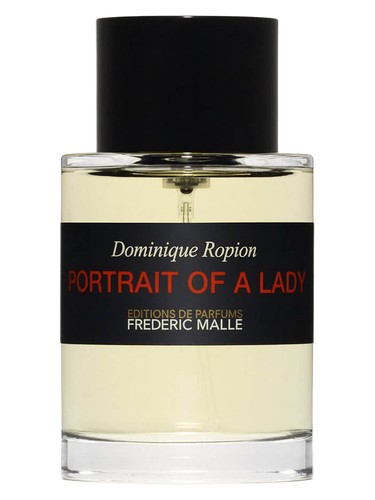
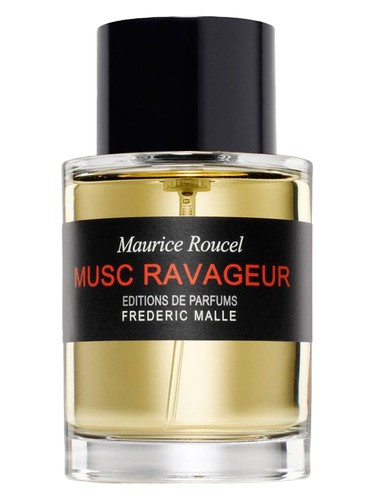
The similarity markers place this squarely in elevated company: Oud Wood and Black Orchid from Tom Ford, fellow Frederic Malle offerings Musc Ravageur and Portrait of a Lady, and the legendary Shalimar. What this suggests is a fragrance that operates in luxury territory, speaking the language of woody orientals and sophisticated spice blends.
Where Oud Wood leans more explicitly into its namesake ingredient and Black Orchid embraces gothic drama, Dries Van Noten par Frederic Malle maintains a cooler, more intellectual distance. It shares Musc Ravageur''s warmth and Portrait of a Lady''s refinement but charts its own woody course. Against Shalimar''s opulent vanilla and citrus, this offering feels more contemporary, more minimal in its maximalisms.
The Bottom Line
Dries Van Noten par Frederic Malle succeeds as both a collaborative artistic statement and an eminently wearable fragrance. It''s proof that designer collaborations needn''t result in diluted compromises—when the right minds converge, magic happens.
At 4.06 out of 5, it represents a wise investment for anyone seeking a sophisticated woody fragrance that works across multiple contexts. It''s particularly recommended for those who find typical feminine florals too sweet or conventional, for fans of niche fragrances who appreciate restraint over showiness, and for anyone whose autumn and winter wardrobe skews toward neutrals, textures, and architectural silhouettes.
This is a fragrance that rewards patience and contemplation. It won''t announce your arrival from across the room, but it will draw people closer, make them pause, ask questions. In an age of olfactory shouting, Dries Van Noten par Frederic Malle speaks in a compelling whisper—and that might be the most powerful statement of all.
KI-generierte redaktionelle Rezension