First Impressions
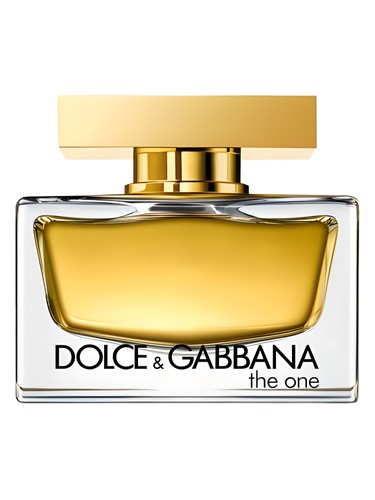
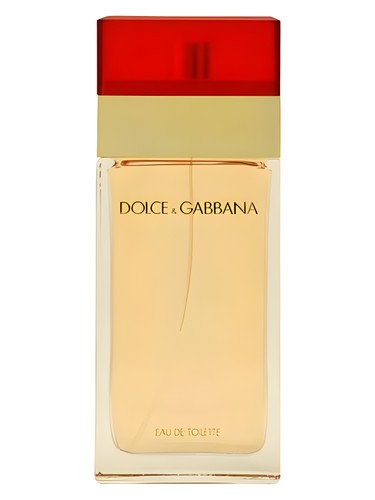
The first spray of Dolce&Gabbana''s inaugural fragrance is nothing short of a statement. A burst of aldehydes collides with an unexpected twist of basil, creating an opening that announces itself with confidence rather than whispers. This isn''t a shy introduction—it''s an aromatic declaration that immediately distinguishes itself from the fruity florals and sweet vanillas that would later dominate the feminine fragrance landscape. The interplay between sharp citrus notes and that distinctive herbal basil creates a sophisticated tension, while freesia adds just enough softness to keep the composition approachable. This is the smell of Italian fashion translating itself into liquid form: bold, unapologetic, and unmistakably luxurious.
The Scent Profile
The top notes stage a complex performance that defies easy categorization. Aldehydes provide that vintage soapy sparkle reminiscent of classic perfumery, while basil—an unusual choice for feminine fragrances even today—adds a green, almost peppery dimension. Mandarin orange and bergamot weave through with citrus brightness, their zesty character tempered by the dewy freshness of ivy and freesia. This opening is aromatic in the truest sense, herbal and vibrant, setting the stage for what''s to come.
As the fragrance settles into its heart, a sprawling floral garden emerges. Carnation and marigold anchor the composition with their spicy, slightly soapy character, while coriander adds an intriguing herbal continuation from the basil-laden opening. Orange blossom contributes its indolic sweetness, creating a bridge between the fresh top and the more traditional white floral bouquet of jasmine, Bulgarian rose, and lily-of-the-valley. This isn''t a demure floral arrangement—it''s abundant, almost baroque in its complexity. The lily adds a creamy smoothness that prevents the composition from becoming too sharp, while the rose and jasmine provide that timeless femininity.
The base reveals where this fragrance finds its warmth and longevity. Sandalwood lends its creamy, woody smoothness, while vanilla and tonka bean add sweetness without tipping into gourmand territory. Musk rounds everything out with a clean, skin-like intimacy that allows the fragrance to wear close while still maintaining presence. This foundation explains why the fragrance performs so exceptionally well in cooler weather—it has the depth and warmth to cut through winter air while remaining elegant rather than heavy.
Character & Occasion
The data tells a clear story: this is a cold-weather powerhouse. With winter scoring 92% and fall at 78%, Dolce&Gabbana''s debut fragrance thrives when temperatures drop. The aromatic-floral structure that makes it so distinctive also makes it somewhat challenging in heat—summer sits at a mere 25%, and spring isn''t much more favorable at 37%. This is a fragrance that wants the contrast of cold air to truly shine.
The day-to-night breakdown is equally revealing. While it scores 53% for daytime wear, it absolutely soars at night with a perfect 100% rating. This suggests a fragrance with enough presence and sophistication for evening occasions—think dinner reservations rather than brunch, theater rather than farmer''s markets. The aromatic opening keeps it from being too sweet or cloying for daytime wear, but the rich floral heart and warm base give it the gravitas that nighttime occasions demand.
This is a fragrance for someone who appreciates complexity and isn''t afraid of a scent with personality. It suits confident wearers who want something distinctly different from mainstream offerings, who appreciate vintage-inspired compositions with modern wearability.
Community Verdict
With a solid 4.01 out of 5 rating based on 4,940 votes, the community has spoken clearly: this is a fragrance worth exploring. That rating, hovering just above "very good" territory, reflects a perfume that resonates strongly with those who connect with its unique aromatic-floral profile, though it may not be universally appealing. The substantial vote count adds credibility—this isn''t a niche obscurity with a handful of devotees, but a well-tested fragrance that has stood the test of time since 1992.
The rating suggests a polarizing effect that''s common with aromatic fragrances: those who love it tend to really love it, while others may find the basil-forward opening too unconventional. That it maintains such strong numbers three decades after launch speaks to its quality and staying power in a fickle market.
How It Compares
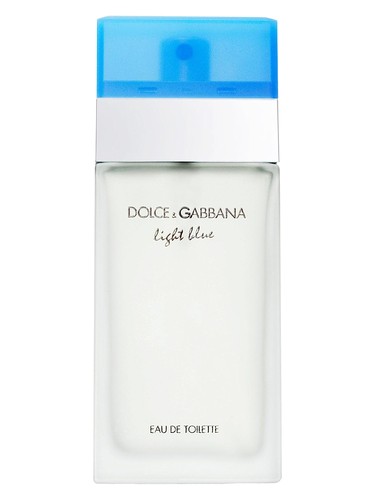
The listed similar fragrances paint an interesting picture of its place in the perfume landscape. Crystal Noir by Versace shares that Italian luxury sensibility, while Coco Mademoiselle by Chanel represents the sophisticated evening wear category. Interestingly, its own brand''s Light Blue sits in the similar category—a reminder that Dolce&Gabbana would later pivot toward fresher, more accessible compositions. Dune by Dior shares the vintage-inspired, complex structure, while Classique by Jean Paul Gaultier occupies that same bold, unapologetic feminine space.
Where this fragrance distinguishes itself is in its aromatic emphasis—that 100% aromatic accord rating sets it apart from sweeter, simpler alternatives. It''s more complex than Light Blue, more daring than Dune, and more herbal than Classique.
The Bottom Line
Dolce&Gabbana''s 1992 debut remains relevant because it refuses to play it safe. The aromatic-floral structure, anchored by that unexpected basil note, creates something that still feels distinctive in today''s market. Its 4.01 rating reflects genuine quality, though potential buyers should understand what they''re getting: this is not a crowd-pleaser or a safe blind buy. It''s a statement fragrance that demands the right wearer and the right occasion.
For those who live in colder climates or simply prefer autumn and winter fragrances, this deserves a spot on your testing list. If you''re drawn to vintage-style compositions with aromatic complexity, if you find most modern feminine fragrances too sweet or predictable, or if you simply want something that stands out from the crowd, this three-decade-old classic might just become your new cold-weather signature. Just save it for when the temperature drops and the sun sets—that''s when it truly comes alive.
KI-generierte redaktionelle Rezension