First Impressions
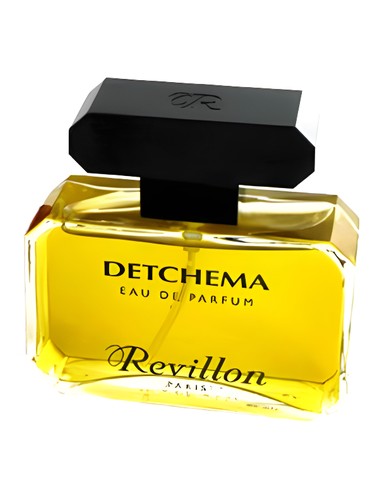
The first spray of Detchema is like stepping into a Parisian salon circa 1953—a shimmering veil of aldehydes lifts peach and hyacinth into the air with the kind of luminous sparkle that defined post-war French perfumery. This isn''t the polite whisper of modern fragrances; it''s an announcement, bold yet refined, as bergamot and neroli add citrus brightness to the fruited effervescence. The opening feels simultaneously vintage and timeless, recalling an era when women wore gloves to lunch and perfume was applied with intention rather than abandon. There''s a soapy-clean quality here, but not in the mundane sense—think pressed linens in a château, not laundry detergent.
The Scent Profile
Detchema''s architectural brilliance reveals itself in layers, each phase distinct yet seamlessly connected. Those opening aldehydes don''t simply vanish; they persist as a glittering framework throughout the fragrance''s development, supporting rather than dominating what follows.
The peach note in the opening deserves special mention—it''s not the syrupy, confectionery peach of contemporary gourmands, but rather a subtle, skin-like quality that adds warmth to the aldehydic sparkle. Combined with the green-waxy character of hyacinth, it creates an effect that''s both fruity and floral without committing fully to either camp.
As the composition settles, the heart emerges with classic French floral opulence. Carnation takes center stage here, bringing its spicy, clove-like facets into conversation with rose and jasmine. This trio alone would be impressive, but ylang-ylang adds creamy tropical richness while lily-of-the-valley contributes a delicate, spring-garden freshness. The result is a white floral accord that feels substantial without becoming heavy, powdery without being dusty. This is the perfume''s soul—a bouquet that speaks to mid-century ideals of femininity while possessing enough complexity to remain compelling decades later.
The base is where Detchema distinguishes itself from simpler aldehydic florals. Orris root brings its signature powdery-rooty elegance, acting as a bridge between the floral heart and the woodier elements below. Sandalwood provides creamy, lactonic warmth, while vetiver adds earthy sophistication. But the surprise here is leather—not a dominant barnyard leather, but a subtle, refined suede quality that adds unexpected depth. Musk, amber, and tonka bean round out the foundation with animalic warmth and sweet, hay-like nuances that prevent the composition from becoming too polite or restrained.
Character & Occasion
The data tells a clear story: Detchema is a cool-weather companion, rating perfectly for fall and strongly for winter at 78%. This makes intuitive sense—the fragrance''s rich floral heart and substantial base notes need cooler air to bloom properly without becoming overwhelming. Spring receives a moderate 57% rating, while summer''s 27% suggests this isn''t a fragrance for sweltering heat.
The day-to-night versatility is noteworthy, with a 97% day rating and still-respectable 67% for evening wear. This speaks to Detchema''s refined character—it''s substantial enough to hold its own in evening settings but never becomes bombastic or inappropriate for daytime elegance. Picture it at a fall luncheon, a winter museum opening, or an autumn wedding. It works beautifully in professional settings where you want to project competence and sophistication without the aggressive sillage of power-player perfumes.
This is a fragrance for those who appreciate perfume as an art form rather than an accessory. It requires confidence—not because it''s loud, but because it represents a aesthetic that modern marketing has largely abandoned. The woman who wears Detchema likely owns quality pieces from previous decades, values craftsmanship, and doesn''t follow trends simply because they''re trending.
Community Verdict
With a rating of 4.18 out of 5 from 404 votes, Detchema has earned genuine admiration from those who''ve encountered it. This is particularly impressive for a fragrance that''s been largely discontinued and exists primarily in the vintage market. That rating places it in rarefied territory—these aren''t casual samplers inflating scores, but dedicated collectors who''ve sought out this rarity and found it worthy of high marks.
The relatively modest number of votes (404) compared to mainstream fragrances actually works in our favor here—it suggests an engaged, knowledgeable community rather than mass-market dilution of opinion. When a vintage fragrance maintains ratings above 4.0, it''s typically because the scent itself possesses genuine quality that transcends nostalgia.
How It Compares
Detchema sits comfortably among the pantheon of classic French aldehydic florals. Its closest comparisons—Madame Rochas, First by Van Cleef & Arpels, L''Air du Temps, Arpège, and Fidji—read like a greatest hits of mid-century perfumery. What distinguishes Detchema is its particular balance: it''s warmer and woodier than L''Air du Temps, less overtly sophisticated than Arpège, and possesses more leather depth than the green-leaning Fidji.
Against Madame Rochas, perhaps its nearest neighbor, Detchema offers a fruitier opening and more pronounced carnation in the heart. First shares similar luxurious aldehydes but takes a different path in the base. What''s remarkable is that Detchema holds its own in this distinguished company—it''s not a pale imitation but a legitimate peer.
The Bottom Line
Detchema deserves recognition as more than a footnote in perfume history. Its 4.18 rating reflects genuine quality, not inflated nostalgia. However, practical considerations matter: finding this fragrance requires hunting through vintage markets, estate sales, and specialist dealers. Condition varies, and prices can be unpredictable.
For those willing to undertake the search, Detchema offers a masterclass in classical French perfumery—aldehydic sparkle, opulent florals, and a sophisticated woody-powdery base that rewards patience and attention. It''s ideal for anyone who finds modern fragrances too linear, too sweet, or too focused on immediate impact over development.
Should you try it? If you already love any of its comparable fragrances, absolutely. If you''re curious about what perfumery achieved in its golden age, Detchema provides essential education. Just understand that this is a fragrance from another era, speaking a language that modern perfumery has largely forgotten—and that''s precisely why it matters.
KI-generierte redaktionelle Rezension