First Impressions
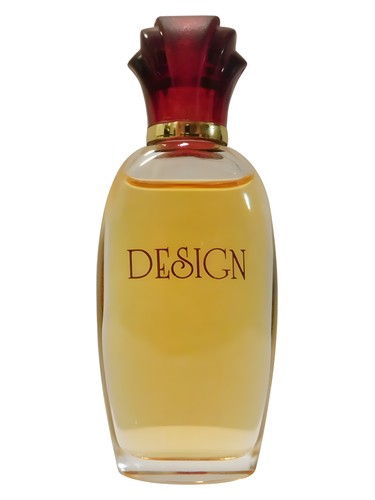
The first spray of Design lands like a velvet glove concealing brass knuckles. What appears initially as a demure white floral quickly reveals its full-throated 1980s pedigree — this is tuberose without apology, jasmine without restraint, orange blossom that announces rather than whispers. There''s a peachy sweetness tempering the florals, but make no mistake: this is a white floral fragrance that wears its dominant accord at 100%, and it wants you to know it. The opening feels both generous and unapologetic, a reminder of an era when perfumes didn''t concern themselves with being "safe" or "office-appropriate." Within moments, you understand exactly what Design is: a floral statement from 1985 that has survived nearly four decades largely intact, for better or worse.
The Scent Profile
The opening quartet of tuberose, jasmine, orange blossom, and peach creates an immediately recognizable white floral bouquet with a fruity edge. The tuberose takes center stage — creamy, narcotic, and indolic in that particularly 80s way that doesn''t shy from the flower''s more challenging facets. Jasmine adds its heady sweetness while orange blossom contributes a neroli-like freshness that prevents the composition from becoming too cloying. The peach note provides a soft, fuzzy sweetness that feels slightly dated now but would have been entirely on-trend for 1985.
As Design settles into its heart, the floral symphony expands dramatically. Gardenia, honeysuckle, carnation, lilac, ylang-ylang, and rose create a veritable garden of white and light florals. This is where the fragrance shows both its ambition and its age — it''s a maximalist approach that layers scent upon scent. The gardenia adds creaminess, the honeysuckle brings syrupy sweetness, while carnation contributes a spicy, almost clove-like edge. Ylang-ylang intensifies the exotic, heady quality, and rose provides a classic floral anchor. It''s a lot, and it knows it.
The base is where Design reveals its more complex personality. Musk and civet provide the animalic backbone that registers at 38% in the accord analysis — this isn''t polite synthetic musk but rather a warmer, more intimate animality that gives the fragrance surprising depth. Sandalwood adds woody creaminess, while an unexpected black currant note provides a tart, fruity contrast to all that white floral opulence. The musky accord comes through at 34%, creating a skin-like quality that helps ground all those soaring florals.
Character & Occasion
Design''s seasonal versatility is surprisingly broad for such a bold white floral. The data shows it performs best in spring (86%) and fall (81%), which makes perfect sense — it has the floral exuberance for warmer weather but enough depth and warmth for cooler days. Its winter rating of 65% reflects that animalic, musky base that can hold up in cold weather, while summer at 63% suggests it might be overwhelming in true heat but workable in air conditioning or evening wear.
The day/night split is telling: 100% day appropriate, 73% night. This positions Design as primarily a daytime fragrance, which aligns with its white floral character — these are flowers in sunlight, not midnight jasmine. That said, the animalic and musky elements give it enough sensuality for evening wear, particularly in cooler months.
This is a fragrance for someone who appreciates white florals without reservation, who isn''t afraid of projection, and who perhaps has nostalgia for 80s and 90s floral compositions. It''s also, notably, a fragrance for budget-conscious wearers who want big floral impact without premium pricing.
Community Verdict
The Reddit fragrance community''s response to Design is notably lukewarm, with a sentiment score of 6.5/10 and decidedly mixed opinions. The most consistent praise centers on value: this is a fragrance that delivers decent performance and projection without requiring significant investment. Reviewers note it''s "easy to wear" for casual occasions and performs adequately for its price point.
However, the criticisms are equally consistent. The community consensus holds that Design lacks distinctiveness compared to higher-end options — it''s serviceable but not special. Multiple comments position it firmly in "budget/entry-level" territory, with the implication that more experienced collectors would likely pass it by. Perhaps most tellingly, the summary notes that Design "receives minimal discussion in the community, appearing only as a passing mention in one collection post." It''s a fragrance that exists in the background, noticed but not celebrated.
The recommended use cases reflect this positioning: budget-conscious beginners, everyday casual wear, and testing the white floral category before investing in premium options. It''s damning with faint praise — Design works, but it doesn''t inspire.
How It Compares
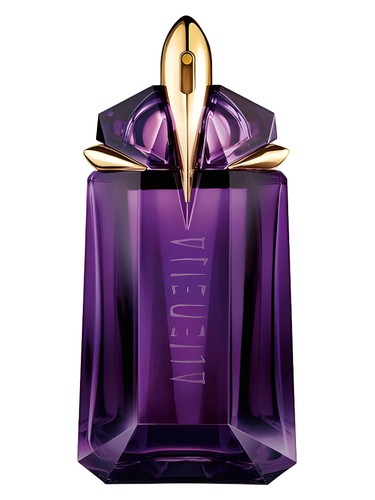
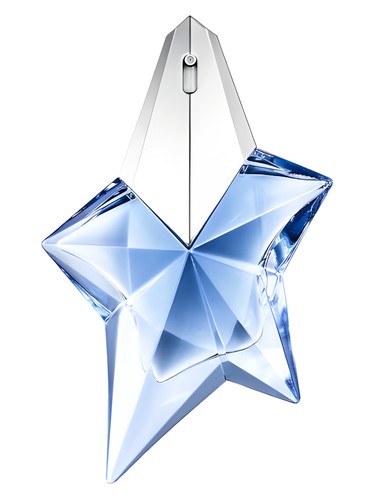
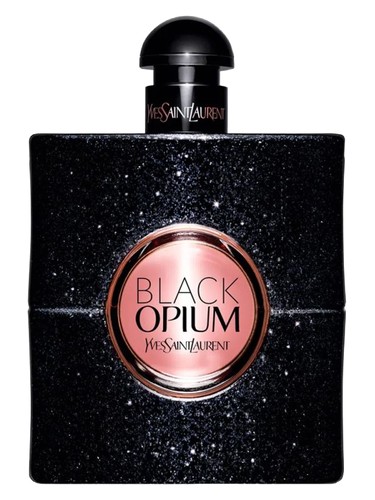
The listed similar fragrances reveal Design''s aspirations and its actual standing. Amarige by Givenchy, Pure Poison by Dior, J''adore by Dior, Alien by Mugler, and Ysatis by Givenchy — these are prestige white florals with devoted followings. Design shares their structural DNA: bold white florals with complexity and depth. The comparison to Amarige is particularly apt, as both are unabashed tuberose-forward compositions from the era of big perfumes.
However, where those fragrances command premium prices and passionate defenders, Design occupies the budget tier. The rating of 3.76/5 from 600 votes is respectable but not remarkable — it''s the rating of a fragrance that satisfies without exciting.
The Bottom Line
Design by Paul Sebastian is an honest fragrance in an increasingly curated market. It delivers exactly what it promises: a full-bodied white floral with vintage character at a fraction of premium pricing. That 3.76 rating from 600 voters represents a solid B grade — not failing, not exceptional, but genuinely acceptable.
The question is whether "acceptable" is what you''re seeking. If you''re a white floral devotee on a budget, or someone curious about the category who doesn''t want to invest in J''adore, Design offers a legitimate entry point. It has real tuberose, genuine floral complexity, and that animalic base that gives it more interest than many modern budget releases.
But if you''re seeking distinctiveness, artistry, or something that will generate compliments and questions, Design will likely disappoint. It''s a background player — pleasant, wearable, forgettable. Nearly forty years after its release, it remains what it always was: a competent interpretation of white floral perfumery that never quite transcends its origins. For some buyers, that''s precisely enough. For others, it''s precisely the problem.
KI-generierte redaktionelle Rezension