First Impressions
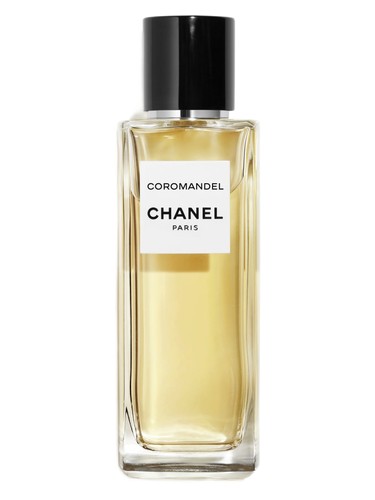
The first spray of Coromandel Eau de Parfum delivers a paradox: brightness that knows darkness is coming. Bitter orange and neroli create an opening that''s simultaneously fresh and foreboding, like sunlight filtering through the wooden screens of a sandalwood chest. This isn''t the cheerful citrus of a spring morning—it''s sharper, more contemplative, with an edge that hints at the resinous amber and incense waiting beneath. Within moments, you understand that Chanel has crafted something that refuses simple categorization, a fragrance that wears its contradictions with quiet confidence.
The Scent Profile
The evolution of Coromandel reads like a journey from Mediterranean groves to Far Eastern temples. Those opening notes of bitter orange, citruses, and neroli provide a crisp, almost astringent introduction—think candied orange peel rather than fresh juice. But this brightness is fleeting, a brief prelude before the heart reveals its true intentions.
The transition to the middle notes brings a complex floral-earthy quartet: patchouli, orris root, rose, and jasmine. Here''s where Coromandel shows its pedigree. The patchouli isn''t the headshop variety but rather a sophisticated, slightly dusty interpretation that meshes seamlessly with powdery orris root. Rose and jasmine provide just enough floral softness to prevent the composition from becoming too austere, though make no mistake—this is no rose garden. The florals serve the structure, not the other way around.
The base is where Coromandel truly distinguishes itself. White chocolate appears alongside benzoin, amber, olibanum, incense, woody notes, and musk—a combination that sounds potentially cloying on paper but proves masterfully balanced in execution. The white chocolate note is subtle, adding a creamy sweetness that tempers the smoke and resin without turning gourmand. Benzoin and amber provide warmth, while olibanum and incense lend a meditative, sacred quality. The overall effect is enveloping: woody, balsamic, warm, and utterly absorbing.
Character & Occasion
The data tells a clear story about when Coromandel thrives: this is overwhelmingly a cold-weather companion. Fall scores a perfect 100%, winter follows at 98%, while summer languishes at a mere 22%. This makes perfect sense—the heavy amber accord (rated at 100% dominance) and woody backbone (62%) need cooler air to breathe without overwhelming. In heat, that white chocolate-benzoin combination could turn cloying; in the crisp air of October or the bite of January, it becomes luxurious.
Interestingly, while marketed as feminine, Coromandel performs admirably across the day/night spectrum, with 74% recommending it for daytime wear and 87% for evening. The higher evening score likely reflects the fragrance''s dramatic amber-incense character, which feels particularly appropriate for after-dark occasions. Yet that 74% day rating suggests enough sophistication and restraint to carry it through professional settings, especially in autumn and winter when its warmth becomes an asset rather than an imposition.
This is a fragrance for those who appreciate complexity, who want their scent to tell a story rather than simply announce a mood. The woody-spicy-patchouli character (woody at 62%, warm spicy at 57%, patchouli at 53%) creates a profile that reads as confident and contemplative rather than overtly seductive.
Community Verdict
The community response to Coromandel reveals an interesting disconnect. On Fragrantica, the fragrance enjoys robust support with a 4.37 out of 5 rating based on 3,784 votes—impressive consensus by any measure. The Reddit community, however, offered more muted engagement, resulting in a mixed sentiment score of 6.5 out of 10 based on 11 opinions.
The pros identified include its highly rated status with strong community consensus and versatile unisex appeal appreciated by multiple users. Several noted its inclusion on exclusive top-rated fragrances lists, suggesting it has earned respect among serious collectors. The cons, however, are telling: limited specific feedback in community discussion and minimal detailed wear experience reported. Some commenters suggested that similar fragrances might be underrated due to gender labeling, hinting that Coromandel''s feminine marketing may overshadow its actual wearability.
This pattern—high ratings but limited passionate discussion—suggests a fragrance that''s respected more than obsessed over, admired for its quality but perhaps not generating the emotional connection that inspires lengthy testimonials.
How It Compares
Coromandel sits among distinguished company. The similar fragrances list includes Les Exclusifs de Chanel Coromandel (the original concentration), Le Lion Eau de Parfum by Chanel, Portrait of a Lady by Frederic Malle, Baccarat Rouge 540 by Maison Francis Kurkdjian, and Coco Noir by Chanel.
The comparison to Portrait of a Lady is particularly apt—both share that amber-incense-rose DNA, though Portrait leans harder into the rose while Coromandel emphasizes patchouli and chocolate. Against Baccarat Rouge 540, Coromandel presents as decidedly more traditional and less sweet, trading BR540''s airy amber-saffron for something earthier and more grounded. Within Chanel''s own stable, it bridges the gap between Coco Noir''s gothic romance and Le Lion''s honeyed elegance.
The Bottom Line
A 4.37 rating from nearly 4,000 voters doesn''t lie—Coromandel Eau de Parfum is objectively well-crafted. Whether it justifies the Chanel price point depends on what you value. This isn''t a crowd-pleaser or a compliment-generator; it''s a sophisticated composition that rewards patience and cooler weather.
The white chocolate note keeps it from becoming too serious, while the incense prevents it from veering gourmand. It''s this careful balancing act—East and West, sweet and smoky, bright and dark—that defines Coromandel''s character. Those seeking an amber-woody fragrance with genuine depth and a respectable pedigree will find much to appreciate here. Just don''t expect it to inspire passionate devotion; Coromandel earns respect and steady wear rather than obsessive love. For some, that reliability is exactly the point.
KI-generierte redaktionelle Rezension