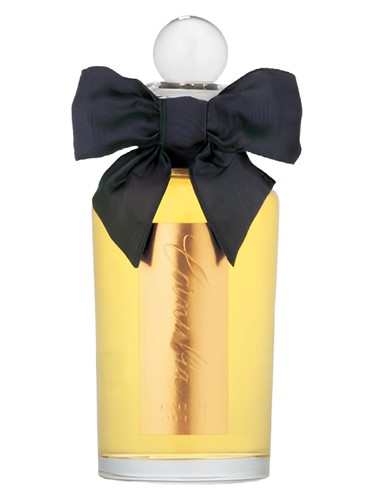
First Impressions
The first spray of Cornubia transports you to an Edwardian dressing table, but not in the dusty, forgotten way you might expect from a 1910 formula. Instead, imagine sunlight streaming through lace curtains onto freshly laundered linens, a bowl of mandarin oranges nearby, and the faintest whisper of face powder settling into the air. This is vintage femininity with a pulse—the neroli and freesia opening cuts through any potentially heavy florals with a bright, almost dewy freshness that feels surprisingly wearable more than a century after its creation. There''s an immediate softness here, a gentle enveloping quality that announces itself without shouting.
The Scent Profile
Cornubia opens with a citrus trio that feels both classic and strategic. The neroli brings its characteristic bitter-sweet orange blossom brightness, while mandarin orange adds a juicy, approachable sweetness. Freesia, often described as soapy-clean in modern compositions, here acts as a bridge—its peppery-floral character linking the citrus sparkle to what''s waiting in the heart. This opening is brief but purposeful, like the overture to an opera you already know will be magnificent.
The heart reveals Cornubia''s true character: a triumvirate of white florals that could overwhelm in lesser hands but here achieves remarkable balance. Orange blossom deepens the neroli''s initial promise, adding a richer, more indolic creaminess. Jasmine contributes its heady, slightly narcotic sweetness, while heliotrope—the secret weapon—drapes everything in that distinctive powdery-almond softness that defines the entire composition. This isn''t the screeching white floral of some modern blockbusters; it''s a softer, more diffused interpretation, like viewing flowers through frosted glass.
The base is where Cornubia settles into its true personality and reveals why it scores so highly in vanilla and powdery accords (95% and 97% respectively, according to its profile). Vanilla here isn''t the gourmand sweetness of contemporary fragrances—it''s more restrained, almost creamy rather than sugary. Amber adds warmth without heaviness, while musk provides a subtle skin-like quality that makes the entire composition feel intimate. Woodsy notes ground everything just enough to prevent the powder-vanilla combination from floating away entirely. The result is a base that lasts for hours, evolving into something that smells like the most refined version of your own skin.
Character & Occasion
Here''s where Cornubia defies expectations. Despite being over a century old and definitively powdery, the data shows it''s primarily worn in fall (100%) and winter (91%), with significantly less love for spring (40%) and summer (20%). This isn''t your typical winter fragrance—there''s no heavy spice, no dense resins—but the vanilla-amber-powder combination creates a cozy cocoon that makes perfect sense against cold weather. It''s the olfactory equivalent of cashmere: lightweight but enveloping, refined but comforting.
The day-to-night split (83% day, 77% night) reveals Cornubia''s versatility. It''s gentle enough for office wear, sophisticated enough for evening occasions. This is a fragrance for someone who appreciates subtle elegance over projection, who understands that presence doesn''t require volume. It suits the wearer who reaches for pearls more often than statement jewelry, who values quality over trends, regardless of age. While marketed as feminine, its soft, powdery character transcends rigid gender boundaries—this is simply beautiful perfumery.
Community Verdict
With a solid 4.07 rating from 749 votes, Cornubia has earned genuine respect from those who''ve discovered it. This isn''t a cult favorite with twelve devoted fans—nearly 750 people have weighed in, and the consensus is clear: this works. The rating suggests a fragrance that delivers on its promise without revolutionary innovation. It''s not chasing perfection or attempting to be everything to everyone. Instead, it does exactly what it sets out to do with remarkable consistency. For a formula from 1910, that kind of approval from contemporary wearers speaks volumes about its timeless construction.
How It Compares
Cornubia finds itself in distinguished company, sharing DNA with icons like L''Heure Bleue and L''Instant de Guerlain. Like these classics, it embraces powder without apology and understands that white florals softened with vanilla can create magic. Where Cinéma by Yves Saint Laurent leans more oriental, and Organza by Givenchy goes richer and spicier, Cornubia maintains a lighter touch. It''s perhaps closest to Poème by Lancôme in its approach to white florals, though Cornubia''s heliotrope gives it a more distinctly powdery signature. In this category of refined, powdery white florals, Cornubia holds its ground by being the most understated—the quiet one in the corner whose presence you only fully appreciate up close.
The Bottom Line
Cornubia isn''t trying to convert the oud-obsessed or win over those who think vanilla is boring. It''s a love letter to an aesthetic that values softness, a reminder that powder and white florals once defined luxury for good reason. The 4.07 rating reflects its reality: this is very good perfumery that won''t revolutionize your collection but might become your most-reached-for comfort scent on cold mornings.
Should you try it? If you''ve ever felt nostalgic for a fragrance style that modern houses have largely abandoned, absolutely. If you''re curious about how perfumery approached femininity before it became complicated, yes. If you need something safe for conservative environments but refuse to smell generic, definitely. Skip it if you demand projection, avoid powder at all costs, or need your fragrances to announce you from across the room. Cornubia whispers. But for those willing to lean in, it has stories worth hearing—and remarkably, after 113 years, it''s still telling them beautifully.
KI-generierte redaktionelle Rezension