First Impressions
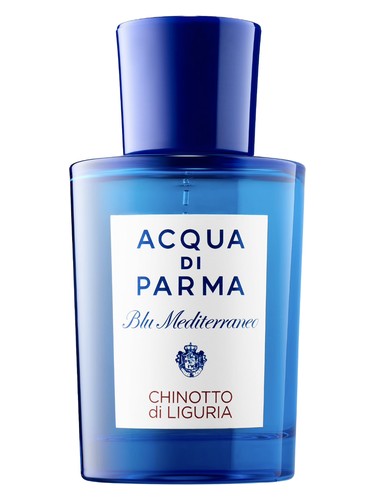
The first spray of Chinotto di Liguria transports you to a sun-drenched coastal terrace overlooking the Italian Riviera, where the rare chinotto—a small, bitter orange native to Liguria—grows in scattered groves. This isn''t the sweet, crowd-pleasing citrus of mainstream perfumery. Instead, Acqua di Parma opts for authenticity: the opening delivers a bracingly aromatic blast where chinotto''s characteristic bitterness mingles with the brighter, more familiar mandarin orange. It''s Mediterranean sunshine with an edge, a reminder that not all Italian citrus comes sugar-coated. The house known for its elegant cologne tradition presents something decidedly less polite here—though whether that''s an asset or liability becomes the central question of this fragrance''s identity.
The Scent Profile
The composition opens with its namesake chinotto taking center stage alongside mandarin orange, creating a citrus duet that registers at 86% on the accord scale—significant, but not overwhelming. What truly defines this fragrance from the first moment is its aromatic character, maxing out at 100% and immediately distinguishing Chinotto di Liguria from sweeter Mediterranean offerings in the brand''s portfolio. The chinotto itself contributes a slightly medicinal, bitter-green quality that some find intriguing and others experience as astringent.
As the top notes settle, the heart reveals unexpected complexity. Rosemary arrives with its penetrating herbal sharpness, reinforcing that aromatic dominance while jasmine attempts to soften the composition with floral sweetness. Geranium adds a rosy-minty facet, and cardamom introduces a fresh spicy dimension (registering at 60%) that bridges the citrus opening and the warmer spicy undertones (40%) emerging below. This middle phase can feel somewhat crowded—multiple strong personalities competing for attention rather than harmonizing into a unified voice.
The base grounds everything with musk and patchouli, contributing to the woody (32%) and musky (31%) accords that provide staying power without overwhelming the citrus-aromatic character. The patchouli here reads as earthy rather than heavy, while the musk creates a soft, skin-like finish. It''s a restrained base that serves the composition rather than transforming it, keeping Chinotto di Liguria recognizably bright even in its dry-down.
Character & Occasion
The data tells a clear story: this is emphatically a warm-weather, daytime fragrance. Summer scores a perfect 100%, with spring following at a strong 81%. Fall drops dramatically to 26%, and winter barely registers at 8%. The day/night split is even more revealing—94% day versus just 20% night. This is a fragrance designed for blazing sun and casual elegance, not candlelit evenings or air-conditioned boardrooms.
Marketed as feminine, Chinotto di Liguria nonetheless possesses a gender-neutral aromatic quality that could easily be worn by anyone drawn to fresh, herbal-citrus compositions. It''s ideal for vacation wardrobes, weekend brunches, and those humid days when anything heavier feels oppressive. The aromatic intensity makes it particularly suited to those who prefer their summer scents with character rather than simple refreshment—though that same intensity may prove polarizing.
Pack this for coastal getaways, wear it to outdoor markets, spritz it before sunset aperitivos. Just don''t expect it to carry you through cooler months or transition gracefully into evening wear.
Community Verdict
Here''s where the editorial becomes less comfortable: the Reddit r/fragrance community sentiment registers as decidedly mixed, with a score of 5.5 out of 10. While 855 voters on the broader platform gave it a respectable 3.91 out of 5, the more engaged enthusiast community tells a different story.
The pros are modest: it benefits from being part of the respected Acqua di Parma house, appears on curated fragrance lists, and appeals to those specifically seeking Liguria-inspired scents. These aren''t exactly ringing endorsements—they''re context rather than praise.
The cons prove more damning. One commenter explicitly stated they would not buy a full bottle after trying it. Discussion remains limited with minimal community enthusiasm. Perhaps most tellingly, the fragrance appears to lack strong advocates—those passionate defenders who champion overlooked gems. Based on 22 community opinions, the summary is stark: Chinotto di Liguria "receives minimal engagement" with "decidedly negative" direct feedback, suggesting "it may not be a priority sample for most collectors."
The recommendation from those who''ve engaged with it? Sampling before committing to purchase—which is industry code for "proceed with caution."
How It Compares
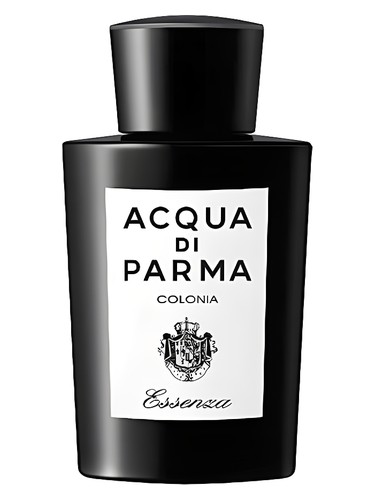
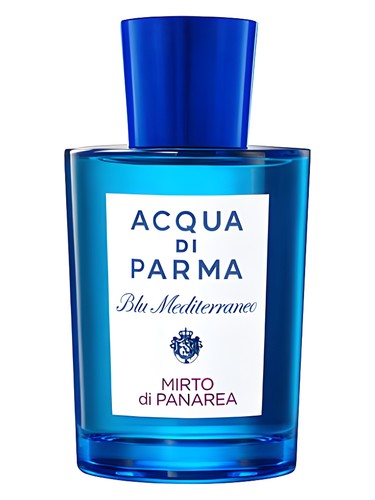
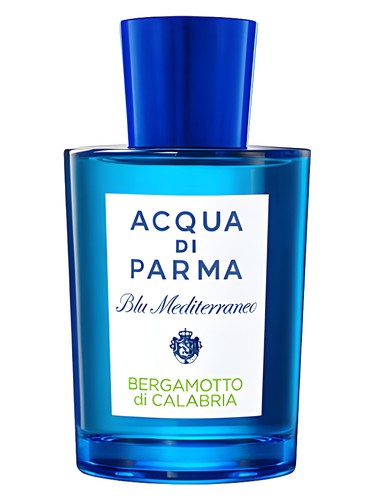
The similar fragrances list places Chinotto di Liguria in interesting company. Within the Acqua di Parma lineup, it''s grouped with Essenza di Colonia and the Blu Mediterraneo line (Mirto di Panarea and Bergamotto di Calabria)—the brand''s citrus-aromatic territory. More surprisingly, it''s compared to Terre d''Hermès, suggesting shared earthy-citrus DNA, and even La Nuit de l''Homme by Yves Saint Laurent, though that connection is harder to parse.
The reality is that Chinotto di Liguria occupies crowded territory. The niche Italian citrus-aromatic category is saturated with accomplished fragrances, many from Acqua di Parma''s own catalog. When your siblings smell this good, standing out becomes exponentially harder.
The Bottom Line
Chinotto di Liguria presents a paradox: technically well-executed with authentic regional character, yet somehow failing to inspire enthusiasm from those who matter most—the people who actually wear and discuss fragrance seriously. That 3.91 rating from 855 voters suggests general competence, but the lukewarm-to-negative community sentiment from engaged users reveals a fragrance that doesn''t reward deeper exploration.
Should you try it? Perhaps, if you''re specifically drawn to bitter citrus profiles or collecting Italian regional fragrances. The aromatic intensity offers something different from typical summer citrus cologne. But heed the community''s advice: sample first, and don''t expect revelation. At its 2018 launch, this may have seemed like an exciting addition to Acqua di Parma''s portfolio. Years later, it reads more like a missed opportunity—the right idea executed without quite enough magic to justify choosing it over countless alternatives.
For completists and bitter-citrus devotees only. Everyone else has better options, often from the same house.
KI-generierte redaktionelle Rezension