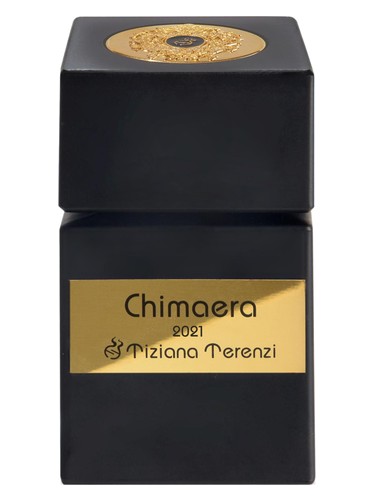
First Impressions
The first spray of Chimaera unleashes something primal—a plume of leather and saffron that arrives with the weight of ancient mythology. This is no timid introduction. The opening is a collision of raw materials: buttery leather mingles with the metallic tang of saffron, while black pepper crackles through like static electricity. Underneath, there''s an earthy darkness from soil tincture that grounds the composition, preventing it from floating into purely abstract territory. Bay leaf and thyme add an herbal sharpness that cuts through the richness, though these green notes are brief—mere flashes before the fragrance begins its transformation into something warmer, more enveloping. This is a fragrance labeled feminine, yet it speaks in a dialect that transcends such classifications entirely.
The Scent Profile
Chimaera''s evolution unfolds like layers of sediment, each stratum revealing new textures and depths. The leather that dominates the opening is joined by tolu balsam, which brings a resinous sweetness that hints at what''s coming. The lemon provides only the slightest citric brightness before dissolving into the spice-forward narrative.
As the heart emerges, honey becomes the central character—not the delicate floral honey of lighter fragrances, but something darker, almost fermented. This honey accord intertwines with red pepper, creating a sweet heat that''s simultaneously comforting and provocative. Carnation adds a clove-like spiciness, while iris contributes a subtle powdery quality that prevents the composition from becoming too heavy. The florals—peony and magnolia—are present but restrained, their softness barely visible beneath the dominant spice and resin structure. Sage continues the herbal thread from the opening, though here it''s warmer, more Mediterranean than medicinal.
The base is where Chimaera reveals its true ambitions. Caramel sweetness meets the smoky depth of agarwood and tobacco, creating a complex interplay between gourmand and oriental elements. The leather returns, now softened and enriched by benzoin''s vanilla-tinged warmth. Pine and Canadian balsam contribute a forested, resinous quality—imagine amber dripping from tree bark. Patchouli adds earthiness, while labdanum brings its characteristic amber-leather richness. Cashmere wood provides a final layer of smooth, woody warmth that ties everything together. This isn''t a linear fragrance that moves from A to B to C; it''s a shifting landscape where elements fade and resurge over hours.
Character & Occasion
The community data tells a clear story: this is a cold-weather champion. Fall registers at 100%, winter at 99%—these numbers don''t lie. Chimaera is built for the season when you want your fragrance to envelop you like a leather jacket lined with silk. The warm spicy accord that dominates at 100% intensity makes perfect sense against crisp autumn air or winter''s bite.
Interestingly, while marketed as feminine, Chimaera reads as profoundly unisex, perhaps even masculine-leaning in its leather and oud construction. It suits those who gravitate toward bold, statement-making scents rather than subtle whispers. This is a fragrance for evenings primarily—88% night wear versus 62% daytime—which tracks with its intensity and complexity. Picture it in dimly lit restaurants, evening gatherings, or cultural events where you want your presence announced before you enter the room.
The concentration might be listed as unknown, but the performance suggests extrait or eau de parfum strength. This isn''t something you''ll need to reapply.
Community Verdict
With a solid 4.1 out of 5 stars across 948 votes, Chimaera has earned genuine respect. This rating suggests a fragrance that delivers on its promises but perhaps doesn''t achieve universal appeal—and that''s actually a strength. The nature of this composition—its boldness, its density, its unapologetic complexity—means it was never designed for everyone. Those who connect with it seem to connect deeply, while others might find it overwhelming. The substantial vote count indicates this isn''t a niche obscurity; it''s a fragrance that''s been genuinely explored and assessed by a significant community.
How It Compares
The comparison to its sibling, Laudano Nero, makes perfect sense—both share Tiziana Terenzi''s maximalist approach to composition. The reference to Amouage''s Interlude Man is telling; both fragrances embrace complexity and aren''t afraid of intensity. The Baccarat Rouge 540 comparison likely speaks to the amber-sweet elements, though Chimaera is decidedly darker and less airy. Oud Wood by Tom Ford shares the woody richness but lacks Chimaera''s spice-forward character. Chergui by Serge Lutens is perhaps the closest spiritual cousin—both feature that tobacco-honey-incense warmth that feels simultaneously ancient and wearable.
Where Chimaera distinguishes itself is in its layering of spice. While many amber-leather fragrances lean heavily on sweetness or smokiness, this one maintains a peppery, saffron-tinged edge throughout its development.
The Bottom Line
Chimaera is a fragrance for those who view perfume as an art form rather than an accessory. At a 4.1 rating with nearly a thousand votes, it''s proven itself as a serious composition worthy of attention, though not without its divisive elements. The value proposition depends on your perspective: if you appreciate intricate, long-lasting compositions with genuine evolution, this delivers admirably. If you prefer lighter, more office-friendly scents, look elsewhere.
Who should try it? Anyone drawn to amber-leather fragrances with complexity. Those who love Serge Lutens'' more opulent creations. People unafraid of challenging gender conventions in perfumery. Cold-weather devotees seeking something beyond the usual vanilla-patchouli combinations. Sample before committing—this is a fragrance that demands to be experienced on skin, where its honey-leather-oud trinity can fully reveal itself across hours. It won''t be love at first sniff for everyone, but for those it captivates, Chimaera offers a mythological depth that few fragrances dare to explore.
KI-generierte redaktionelle Rezension