First Impressions
The first spray of Charlie is an unabashed declaration—aldehydes crack through the air like champagne bubbles meeting crystal, while galbanum adds a sharp, almost astringent green edge that refuses to whisper when it could shout. This isn''t a fragrance that eases you in gently. Hyacinth and jasmine jostle for attention alongside gardenia, creating a white floral impression that feels more like a statement than a suggestion. There''s an undeniable vintage quality here, that particular chemistry of early-seventies perfumery when "more" was never quite enough. Some will find this opening exhilarating, a time capsule of confident femininity. Others may recoil at what the community has described, not without reason, as "harsh" and "strident"—the olfactory equivalent of bold eyeshadow and platform shoes, thrilling or garish depending entirely on your appetite for drama.
The Scent Profile
Charlie builds its white floral fortress on a foundation of aldehydes that give the entire composition a soapy, effervescent quality reminiscent of its more prestigious predecessor, Chanel No. 5. But where Chanel maintained elegance through restraint, Charlie lunges forward with democratic abandon. The hyacinth in the opening brings a vegetal sweetness, while galbanum carves out space with its resinous, almost bitter greenness—a combination that reads as aromatic and fresh, accounting for the fragrance''s 93% aromatic and 91% green accord ratings.
As the opening settles, the heart reveals a veritable garden party of florals. Lily-of-the-valley contributes its characteristic dewy sweetness, while geranium adds a rosy, slightly minty facet. Jasmine persists from the opening, joined now by white lily and violet, with coriander providing an unexpected spicy-herbal twist. This is where Charlie''s white floral dominance (100% according to accord data) truly asserts itself, though the effect can feel overwhelming rather than harmonious—more floral arrangement than blooming garden.
The base attempts to ground all this exuberance with oakmoss, sandalwood, and vetiver creating a woody-earthy foundation (82% woody, 76% earthy). Musk adds a vintage softness, while vanilla tries valiantly to smooth the harder edges. Yet this is where longevity issues become apparent—the community reports poor performance, with the base often disappearing before it can truly work its magic, leaving the harsher top notes to define the experience.
Character & Occasion
Charlie positions itself firmly as a daytime fragrance (100% day versus 60% night), and the data doesn''t lie. This is a scent for morning meetings and lunch dates, for moments when you want presence without seduction. The seasonal breakdown tells an interesting story: fall claims the highest compatibility at 81%, followed by winter at 67% and spring at 65%, while summer lags at just 46%. This makes sense—Charlie''s green aromatic opening needs cooler weather to avoid becoming cloying, and its white florals benefit from the contrast of crisp autumn air or winter''s chill.
This is a fragrance for those who appreciate historical significance over contemporary trends, for vintage enthusiasts who can look past reformulation issues to glimpse what once was. It''s for the budget-conscious collector building a comprehensive fragrance education without breaking the bank. It''s decidedly not for those seeking modern performance, subtle elegance, or Instagram-worthy packaging.
Community Verdict
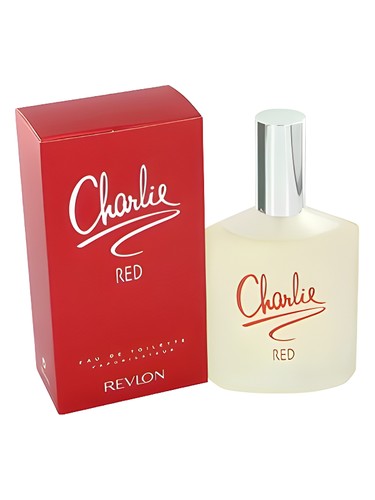
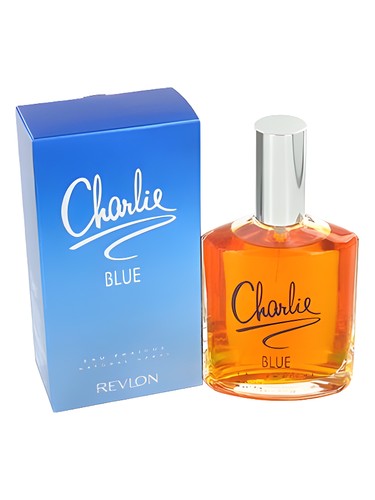
The Reddit fragrance community delivers a mixed verdict with a sentiment score of 4.5/10, and their honesty is refreshing. The pros are practical: Charlie is "extremely affordable and easy to find," offering "nostalgic vintage appeal with historical significance." Several users note that the Blue flanker has earned better reviews than the original, described as "popular and pleasant."
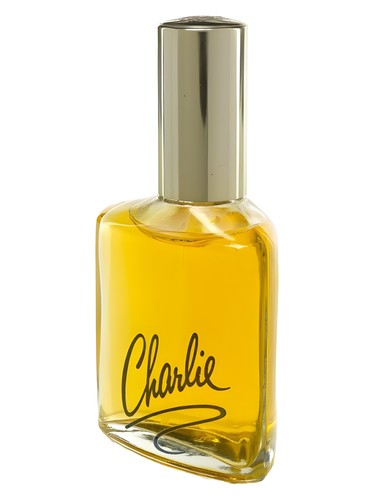
But the cons are substantial and specific. The original formulation draws criticism as "harsh, strident, and chemical-smelling"—not the gentle wear of a treasured vintage, but something that feels degraded or poorly conceived from the start. "Poor longevity and performance" means you''re reapplying frequently, while "cheap bottle construction with thin metal cap" reminds you at every spray that this was designed for mass market margins. Perhaps most tellingly, the "original version [is] difficult to find; mostly flankers available," suggesting even Revlon has moved on from its own creation.
Based on 37 community opinions, the summary is blunt: this appeals to "collectors and bargain hunters," but delivers "mixed-to-negative reviews for its harsh, chemical-like scent and poor performance."
How It Compares
Charlie exists in interesting company. Its similar fragrances list reads like a who''s who of white floral and aldehydic classics: Anaïs Anaïs by Cacharel, Aromatics Elixir by Clinique, Magie Noire by Lancôme, Chanel No. 5, and Paloma Picasso. The comparison to Chanel No. 5 is particularly instructive—both share aldehydic white floral DNA, but where No. 5 refined the formula into timeless luxury, Charlie democratized it into accessible ubiquity, with all the compromises that entails. Aromatics Elixir offers a similar vintage vibe with substantially better execution, while Anaïs Anaïs provides white floral romance without the chemical harshness.
The Bottom Line
With a rating of 3.54 out of 5 from 1,202 votes, Charlie sits squarely in "acceptable but unremarkable" territory. This isn''t a hidden gem waiting to be rediscovered—it''s a historical artifact with significant limitations. The value proposition is undeniable if you measure worth purely in dollars per milliliter, but value means little if you won''t actually wear it.
Who should try Charlie? Vintage fragrance historians building a comprehensive collection. Those genuinely nostalgic for this specific scent from their past. Bargain hunters willing to accept significant compromises. And perhaps those curious about how the 1973 revolution in accessible femininity actually smelled—not the idealized memory, but the complicated reality.
For everyone else, consider the Blue flanker, or better yet, invest slightly more in Anaïs Anaïs or find a vintage bottle of something that''s aged with more grace. Charlie changed the fragrance industry by proving that perfume could be for everyone, not just the elite. That''s historically significant. But significance and wearability aren''t the same thing, and fifty years of reformulation haven''t been kind to this particular revolutionary.
KI-generierte redaktionelle Rezension