First Impressions
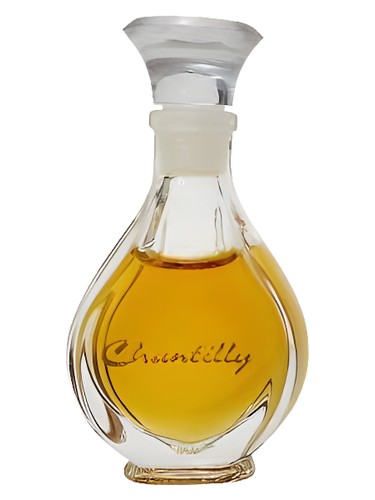
The first spray of Chantilly delivers a paradox in liquid form. Your nose expects sweetness—the name conjures images of whipped cream and confection—but instead encounters a bright citrus burst laced with unexpected heat. Lemon and bergamot open with their characteristic sparkle, joined by neroli''s bitter-green facets, while underneath, something altogether warmer stirs. This is no demure vanilla puff. Within seconds, spice begins its ascent, and you realize you''re experiencing something far more complex than the name suggests. This 1941 creation from Houbigant plays a sophisticated game of contrasts, establishing from the outset that it refuses to be easily categorized.
The Scent Profile
Chantilly''s opening movement is decisively citrus-forward, with lemon leading the charge alongside bergamot''s softer, rounder aromatics. Neroli adds a sophisticated bitterness that prevents the top from veering too sweet, while fruity notes provide just enough sweetness to bridge the gap between the bright opening and what''s coming next. But this introduction is brief—purposefully so. The fragrance wastes little time before revealing its true character.
The heart is where Chantilly makes its boldest statement. Spices dominate, warming the composition with an intensity that defines the entire wearing experience. This isn''t the soft, ambiguous "spiciness" of modern department store fragrances; it''s assertive and unapologetic. Carnation, with its clove-like piquancy, takes center stage among the florals, its hot, peppery character amplified rather than softened by its companions. Ylang-ylang contributes tropical richness, while orange blossom, rose, and jasmine weave a classic floral tapestry that would feel entirely conventional were it not for that persistent spicy heat threading through every petal.
The base extends the warmth established in the heart but shifts the narrative toward comfort. Vanilla and benzoin provide a resinous sweetness that finally delivers on the promise of that cream-puff name, while tonka bean adds its characteristic almond-like warmth. Sandalwood contributes a smooth, creamy woodiness, and oakmoss—that hallmark of vintage perfumery—grounds everything with its earthy, slightly bitter presence. Musk rounds out the composition with soft, skin-like intimacy. The result is a base that feels simultaneously classic and comforting, like slipping into a perfectly worn cashmere cardigan.
Character & Occasion
With a warm spicy accord at 100% and citrus close behind at 93%, Chantilly occupies an unusual space in the fragrance spectrum. It''s a scent that performs best when there''s a chill in the air—community data confirms this is primarily a fall and winter fragrance, scoring 77% and 76% respectively in those seasons. Spring sees it at a respectable 59%, but summer''s mere 36% tells you everything you need to know: this is not a lightweight warm-weather scent.
The day/night breakdown is equally revealing. At 100% for day wear versus 62% for night, Chantilly shows its versatility but also hints at its true nature. This is a fragrance that shines in daylight hours—perhaps at a autumn lunch, a winter brunch, or during daytime holiday shopping. It''s bright enough for professional settings yet interesting enough to make an impression. The spice gives it presence without aggression; the citrus keeps it appropriate without being boring.
Who is this for? Someone who appreciates vintage character, certainly. Someone comfortable with spice, absolutely. This isn''t a fragrance for the timid or those seeking something safely modern. It''s for the wearer who wants a scent with personality, history, and the confidence that comes from surviving eighty-plus years in an industry obsessed with the next new thing.
Community Verdict
A 3.91 out of 5 rating from 913 voters represents solid, if not ecstatic, approval. This score reflects what you''d expect from a vintage fragrance still in production: dedicated fans who appreciate its old-school character balanced against modern wearers who might find it dated or challenging. Nearly 1,000 people have voted, which speaks to continued interest and relevance decades after its debut. This isn''t a forgotten relic limping along on name recognition alone—it''s a fragrance that continues to find its audience, even if that audience is selective.
How It Compares
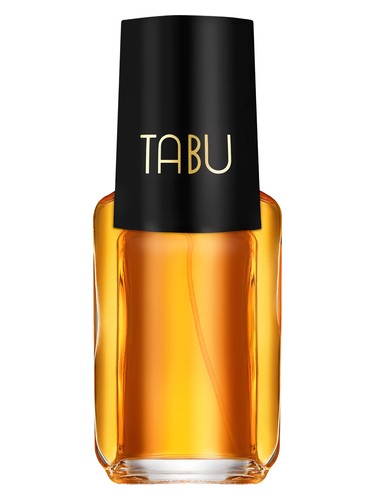
Chantilly finds itself in distinguished company. Its similarities to Chanel''s Coco Eau de Parfum and Guerlain''s L''Heure Bleue Eau de Parfum position it firmly in the realm of sophisticated vintage-inspired compositions. The comparison to Coty''s Emeraude and Dana''s Tabu suggests shared DNA in the warm, spicy oriental family, while Dior''s Dune as a reference point hints at the woody-floral aspects that prevent Chantilly from becoming one-dimensional.
What sets Chantilly apart is that citrus opening paired with uncompromising spice. While many of its comparables lean heavily into powder or orient themselves around a single dominant accord, Chantilly maintains that peculiar brightness throughout, even as it warms your skin.
The Bottom Line
Chantilly by Houbigant isn''t trying to win everyone over, and therein lies its charm. At over eighty years old, it has nothing left to prove. This is a fragrance for someone ready to explore beyond the safe, the sweet, and the ubiquitous vanilla bombs that dominate modern feminines. The near-4-star rating from a substantial voting pool suggests it delivers quality and character, even if it doesn''t inspire universal worship.
Should you try it? If you''ve been curious about vintage perfumery but find pure orientals too heavy or classic florals too prim, Chantilly offers an accessible entry point with enough personality to keep things interesting. If you already love spicy fragrances and wonder what they smelled like before "spicy" became a marketing buzzword, this is your history lesson in a bottle. And if you simply want something different—genuinely different, not Instagram-influencer different—Chantilly awaits, as confident in 2024 as it was in 1941.
KI-generierte redaktionelle Rezension