First Impressions
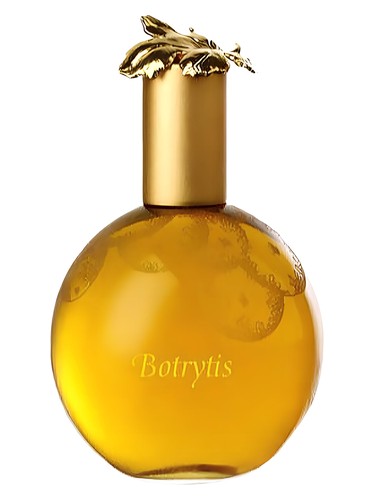
The first encounter with Botrytis is nothing short of intoxicating—and intentionally so. Named after the "noble rot" fungus that concentrates sugars in grapes to create the world''s most coveted dessert wines, Ginestet''s 2008 creation immediately announces itself as something unapologetically sweet. That sweetness registers at a perfect 100% in its accord profile, but this isn''t the cloying, synthetic sweetness of candy counters. Instead, it''s the luxurious, amber-gold sweetness of Sauternes in a glass, of honeycomb dripping onto warm skin, of autumn''s harvest concentrated into liquid form. The opening is bold and enveloping, creating an immediate olfactory signature that doesn''t whisper—it confidently speaks.
The Scent Profile
While Ginestet hasn''t disclosed the specific note breakdown for Botrytis, the fragrance''s DNA reveals itself clearly through its dominant accords. The sweet character that defines this perfume (100%) intertwines seamlessly with pronounced fruity elements (79%), creating that distinctive wine-like quality that wearers consistently mention. This isn''t fresh fruit—think instead of fruit preserved in spirits, glacéed and concentrated, with all its sugars intensified.
The honey accord (74%) provides the texture that makes Botrytis so memorable, adding a viscous, almost tactile quality to the composition. It''s the kind of honey note that suggests beeswax and propolis alongside the sweetness, grounding what could otherwise float into dessert territory. A floral heart (31%) keeps the composition from becoming one-dimensional, offering just enough petal softness to remind you this is, indeed, a perfume rather than a gourmand experiment.
As the fragrance settles, amber (24%) and cinnamon (22%) emerge in the base, adding warmth and gentle spice. The cinnamon doesn''t read as kitchen-y; instead, it''s the subtle spice you''d find in a fine pastry paired with wine, adding complexity without overwhelming the honeyed fruit core. This base is what gives Botrytis its impressive staying power, with wearers reporting excellent longevity, particularly on clothing where the scent creates lasting impressions.
Character & Occasion
The seasonal data tells a clear story: Botrytis is autumn bottled. With a perfect 100% rating for fall wear, this is a fragrance that belongs to the season of harvest, of golden leaves and cooler air. Winter follows closely at 67%, confirming that this is a cold-weather companion through and through. Spring (20%) and summer (16%) wearers are in the minority, and understandably so—this rich, enveloping sweetness wants crisp air to play against.
The day/night breakdown reveals versatility that might surprise given its intensity: 88% rate it suitable for daytime wear, while 58% find it equally at home in evening settings. This adaptability speaks to Botrytis''s quality—it''s sweet and present without being aggressive, warm without being heavy. It shines particularly at special occasions where you want to be remembered, where a distinctive signature is more important than safe, office-friendly restraint.
This is decidedly a fragrance for those who appreciate olfactory boldness and aren''t afraid of sweetness. The feminine designation feels accurate not because of gender restrictions, but because of the honeyed, floral-touched profile that recalls classic feminine gourmands elevated to niche sophistication.
Community Verdict
The 47 community opinions analyzed reveal a fragrance that''s deeply loved but increasingly mourned. With a positive sentiment score of 7.5/10 and an impressive 4.23 rating from 735 votes, Botrytis has clearly won hearts. Enthusiasts praise its warm, sweet, wine-like character and excellent sillage—this is a perfume that announces your presence and lingers in memory. The longevity, particularly on fabrics, earns consistent praise.
But here''s where admiration meets frustration: availability issues dominate the conversation. Users repeatedly cite difficulty finding bottles, with stock issues plaguing those who want to purchase. At $110 for a full bottle, it''s positioned in accessible niche territory—not cheap, but not stratospheric. Yet price becomes academic when bottles simply aren''t available. The community expresses genuine regret about not purchasing when they had the chance, suggesting discontinuation concerns that plague many niche releases.
The tobacco note, presumably emerging from that cinnamon-amber base, doesn''t resonate with everyone, marking the primary compositional critique. For those who love warm, spiced fragrances, it''s a feature; for others seeking pure fruit and honey, it''s a complication.
How It Compares
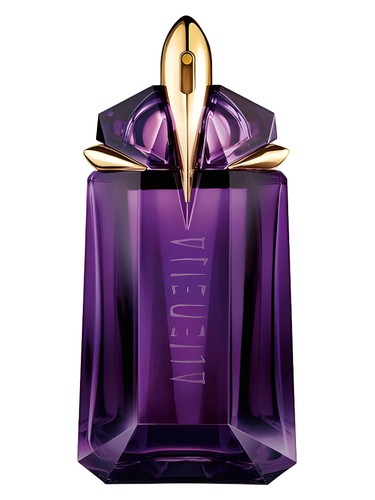
Botrytis sits in fascinating company. Its similar fragrances include heavy-hitters like Angel by Mugler and Tobacco Vanille by Tom Ford, alongside niche darlings like Serge Lutens''s Chergui and Feminité du Bois, plus Frapin''s 1270. This context positions Botrytis squarely in the sophisticated gourmand category—fragrances that embrace sweetness and warmth but with artistic complexity.
Where Angel goes cosmic and Tobacco Vanille leans masculine-luxe, Botrytis carves its own path with that distinctive wine-inspired character. The Serge Lutens comparisons make sense given shared honey and spice elements, though Botrytis feels more overtly fruity and sweet than Lutens''s typically austere compositions.
The Bottom Line
A 4.23 rating from 735 votes represents genuine enthusiasm, placing Botrytis well above average in a crowded field. For $110, it should represent solid value—if you can find it. Therein lies the tragedy: this is a beautiful, distinctive fragrance that deserves to be more accessible.
Who should seek it out? Anyone who loves Sauternes, who understands that sweetness can be sophisticated, who wants autumn to last year-round. This is for special occasion dressing when you want to leave an impression, for those confident enough to wear something memorably sweet without apology.
If you encounter Botrytis in stock, the community''s consistent advice echoes clearly: don''t hesitate. This is the kind of niche fragrance that develops a cult following precisely because it dares to be distinctive, and distinctive things have a way of disappearing. The noble rot that inspired its name transforms ordinary grapes into something precious and rare. Botrytis achieves something similar—taking familiar elements and concentrating them into something worth treasuring.
KI-generierte redaktionelle Rezension