First Impressions
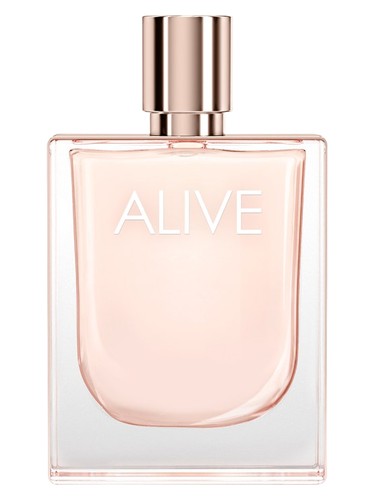
The first spray of Boss Alive Eau de Toilette announces itself with an unmistakable burst of sunshine. Mandarin orange and lemon lead the charge, their zesty brightness tempered by the crisp snap of apple and a whisper of magnolia that hints at the florals to come. This isn''t a timid introduction—it''s confident, immediate, and unapologetically cheerful. Within seconds, you understand why citrus dominates this composition at 100% intensity. The opening feels like stepping into morning light, that specific quality of illumination that makes everything seem possible. Hugo Boss launched this flanker in 2021, positioning it as a lighter, more effervescent interpretation of their Boss Alive line, and that intention reads clearly from the very first moment.
The Scent Profile
The opening citrus-fruit medley holds court for a solid twenty minutes before gradually softening into the heart. Here, the composition reveals its more complex personality. Jasmine sambac emerges first—creamy, indolic, with that characteristic richness that distinguishes it from standard jasmine. It''s joined by clary sage, which brings an aromatic, almost herbal clarity that cuts through the sweetness, and May rose, contributing a classic floral elegance without overwhelming the brighter elements. This heart phase represents the fragrance''s most interesting balancing act: the white floral accord registers at 48%, substantial enough to provide body but restrained enough to let the woody and aromatic elements (78% and 44% respectively) shape the overall character.
The development into the base happens gradually rather than dramatically. Sandalwood and cedar form the woody foundation that accounts for the fragrance''s second-strongest accord at 78%. The sandalwood lends a creamy, skin-like warmth, while cedar provides structure and a subtle pencil-shavings dryness. Moss rounds out the base with an earthy, slightly green quality that grounds all that brightness. What''s notable here is how the citrus never entirely disappears—it continues to shimmer above the woody base like light filtering through leaves. The overall effect is polished and put-together rather than wild or experimental. This is intentional femininity, the kind that knows exactly what it wants to project.
Character & Occasion
Boss Alive Eau de Toilette is unambiguous about its perfect habitat: spring is where it truly thrives, registering at 100% seasonal suitability. This makes complete sense given the composition''s emphasis on fresh citrus and light florals. Summer follows at 61%, which tracks—the Eau de Toilette concentration and bright character make it appropriate for warmer weather, though the woody base might feel slightly heavy in intense heat. Fall drops to 43%, and winter barely registers at 23%, confirming what your nose already tells you: this is fundamentally a warm-weather fragrance.
The day-versus-night breakdown is even more telling: 92% day, just 21% night. This is a fragrance for movement, for productivity, for being seen in natural light. It''s the scent of working lunches, weekend brunches, outdoor meetings, shopping trips, and afternoon gallery visits. The lightness and brightness that make it perfect for daytime activities also make it somewhat disappear in evening contexts where heavier, more sensual fragrances typically dominate.
Who is this for? The woman who appreciates polish without pretension, who wants to smell deliberately good without announcing her presence from across the room. It''s particularly suited to professional environments where you want to project competence and approachability in equal measure.
Community Verdict
With a rating of 3.36 out of 5 stars from 400 votes, Boss Alive Eau de Toilette sits squarely in "pleasant if not exceptional" territory. This is an honest, middle-of-the-road assessment that reflects both the fragrance''s strengths and limitations. It does exactly what it sets out to do—provide a wearable, citrus-forward scent with enough depth to feel complete—but it doesn''t particularly surprise or challenge expectations. The relatively large voting pool of 400 suggests decent market presence and interest, while the moderate rating indicates a fragrance that satisfies without inspiring passionate devotion. It''s the kind of scent that garners "nice" and "fresh" compliments rather than "what are you wearing?" demands.
How It Compareds
The comparison list places Boss Alive Eau de Toilette in distinguished company: Nomade by Chloé, Coco Mademoiselle by Chanel, Acqua di Gioia by Giorgio Armani, Bright Crystal by Versace, and J''adore by Dior. What''s interesting is that while these fragrances share certain structural similarities—citrus openings, floral hearts, woody bases—they occupy quite different price points and prestige levels. Boss Alive positions itself as the accessible option in this group, offering a similar profile to these higher-end fragrances without commanding their prices or longevity. Compared to the chypre elegance of Coco Mademoiselle or the white floral opulence of J''adore, Boss Alive feels younger and more casual, trading complexity for easy wearability.
The Bottom Line
Boss Alive Eau de Toilette is a solid choice for anyone seeking a reliable, spring-appropriate citrus-woody fragrance that works for daily wear. Its 3.36 rating reflects its nature accurately: this is competent, pleasant, and entirely wearable, but not groundbreaking. The value proposition is reasonable—Hugo Boss typically prices below luxury designer brands while maintaining respectable quality—making this a sensible option for building a seasonal wardrobe without significant investment.
Try this if you''re drawn to bright, optimistic fragrances that lean citrus-forward with woody support, if you need something office-appropriate that still feels feminine and finished, or if you appreciate the fragrances on the comparison list but want something more budget-conscious. Skip it if you''re seeking projection power, evening drama, or cold-weather depth. Boss Alive Eau de Toilette knows its lane and stays in it—sometimes that''s exactly what you need.
KI-generierte redaktionelle Rezension