First Impressions
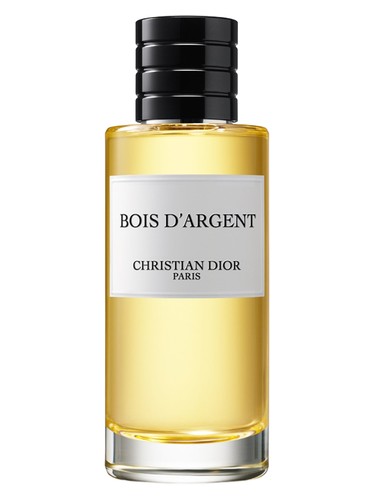
The first spray of Bois d''Argent feels like stepping into a contemplative forest clearing at dawn—cool iris petals scattered across weathered cypress wood, with the sharp green bite of crushed juniper berries cutting through the morning air. There''s an immediate sense of restraint here, a refusal to shout that reads as either sophisticated discretion or maddening timidity, depending on your expectations. The opening is powdery yet crisp, woody yet soft, settling into your skin with the confidence of a whisper rather than a declaration. Within minutes, you''ll understand why this Dior creation from 2004 has sparked such divided opinions: it''s undeniably beautiful, but it demands you lean in close to appreciate it.
The Scent Profile
Bois d''Argent announces itself with a triumvirate of iris, cypress, and juniper berries that immediately establishes its woody-aromatic credentials. The iris here isn''t the rooty, earthy variety—it''s more cosmetic, bringing that characteristic powdery smoothness that will hover throughout the fragrance''s evolution. The cypress and juniper provide a resinous, slightly medicinal greenness that keeps the opening from veering too soft or traditionally feminine, despite its original classification.
As the heart emerges, myrrh and patchouli deepen the composition considerably. The myrrh brings a smoky, slightly balsamic quality that bridges the crisp opening with the warmer destination ahead, while patchouli adds earthy richness without the muddy heaviness that can overwhelm lesser compositions. This middle phase is where Bois d''Argent truly reveals its complexity—there''s an incense-like quality here, church pews and meditation cushions rather than headshop clichés.
The base is where the "Bois" truly becomes "d''Argent"—silvered woods wrapped in a gossamer veil of honey, vanilla, and amber. The woodsy notes remain present but increasingly soft, buffered by resins that add depth without sweetness, musk that extends the wear without adding animalic growl, and the merest suggestion of leather that keeps the composition from floating away entirely. The vanilla and honey could have turned this cloying, but they''re applied with such restraint that they merely warm the woods rather than candy-coat them. The overall impression after several hours is of expensive wood paneling in a room where someone has been burning high-quality incense and perhaps drizzled the finest honey into afternoon tea.
Character & Occasion
The data tells a clear story: Bois d''Argent is a fall fragrance first and foremost (100% seasonal affinity), followed closely by spring (87%), with respectable showings in winter (74%) and a more tentative presence in summer (46%). This tracks perfectly with its character—it''s too warm and enveloping for scorching heat, but lacks the dense richness needed to anchor a true winter powerhouse.
This is overwhelmingly a daytime scent (99%), though it maintains reasonable evening versatility (67%). The dominant amber (100%) and woody (96%) accords, tempered by significant powdery (58%) and iris (54%) facets, create something office-appropriate yet distinctive, professional yet personal. The sweet elements (44%) and aromatic notes (42%) add just enough interest to prevent boardroom boredom.
Who should wear this? Originally marketed as feminine, Bois d''Argent has long since transcended its gender classification. It''s for anyone who prefers their luxury understated rather than announced, who values intimate appreciation over room-filling presence, and who has the confidence to wear something beautiful primarily for themselves rather than for the compliments of strangers.
Community Verdict
The Reddit fragrance community offers a measured 6.5/10 sentiment—decidedly mixed—and their specific grievances are illuminating. Twenty-one community members painted a portrait of appreciation shadowed by genuine frustration.
On the positive side, enthusiasts praise its unique, classy woody-smoky profile that stands apart from more obvious designer offerings. Many note surprisingly good longevity despite the subtle projection, and nearly everyone acknowledges its versatility across professional and casual settings. It''s the kind of fragrance that garners knowing nods from other perfume lovers rather than "what are you wearing?" questions from the general public.
The complaints, however, cut deep. The most consistent criticism centers on weak projection and sillage—this becomes a skin scent quickly, often within an hour or two. For a luxury Dior fragrance commanding premium pricing, many feel this intimate performance doesn''t justify the investment. The perceived reformulation since the original 2004 launch has created a vocal contingent of disappointed longtime fans who insist the current version lacks the richness and presence of the original. Adding insult to injury, Dior''s decision to discontinue smaller bottle sizes in the USA has limited accessibility, forcing potential buyers into larger commitments for a fragrance they might barely smell on themselves by lunchtime.
The consensus recommendation? Best for personal appreciation and intimate wear, office environments where discretion matters, and those who genuinely prefer subtle, refined fragrances over attention-grabbing compositions.
How It Compares
Bois d''Argent shares DNA with some impressive company: Baccarat Rouge 540''s refined sweetness, Tauer''s L''Air du Desert Marocain''s resinous complexity, Serge Lutens'' Chergui''s honeyed warmth, Tom Ford''s Oud Wood''s understated luxury, and Maison Francis Kurkdjian''s Grand Soir''s ambered opulence. What distinguishes Bois d''Argent is its particular balance—less sweet than Baccarat Rouge 540, more accessible than L''Air du Desert Marocain, lighter than Chergui, softer than Oud Wood, and more powdery than Grand Soir. It occupies a middle ground in the woody-amber category that either makes it the perfect compromise or an indecisive also-ran, depending on your perspective.
The Bottom Line
With a solid 4.21/5 rating across 2,670 votes, Bois d''Argent clearly resonates with many wearers—but that 6.5/10 community sentiment reveals the gap between admiration and satisfaction. This is a beautiful fragrance that perhaps should have been bolder. The composition itself is beyond reproach: sophisticated, well-blended, distinctly Dior in its polished refinement. The performance, however, undermines the luxury positioning.
Should you try it? Absolutely, if you''re drawn to woody-amber compositions with iris and resinous depth, and especially if you genuinely prefer fragrances that stay close to skin. Sample first, ideally wearing it for a full day in your typical environment to assess whether its intimate nature suits your needs and justifies the price. If you''re seeking presence and projection, look elsewhere—perhaps to Grand Soir or even Dior''s own Fève Délicieuse for more assertive warmth. But if you''re comfortable with a fragrance that whispers rather than speaks, Bois d''Argent remains one of the more refined options in its category, reformulation concerns notwithstanding.
KI-generierte redaktionelle Rezension