First Impressions
The first spray of Black Pearls transports you backward through time. There''s something immediately anachronistic about this fragrance—a deliberate refusal to conform to contemporary trends that feels both jarring and intriguing. The opening hits with a plush cloud of peach and gardenia, softened by bergamot''s citrus brightness, but what dominates from the very first moment is powder. Not the barely-there, modern interpretation of powder, but the full-throated, unapologetic kind that recalls compacts snapped shut in Art Deco powder rooms. This is Elizabeth Taylor channeling Old Hollywood glamour, and she makes no apologies for it.
The Scent Profile
Black Pearls opens with a triad of peach, gardenia, and bergamot that should theoretically lean fruity-floral, but the composition immediately pushes these notes through a distinctly powdery filter. The peach reads less like fresh fruit and more like the memory of it—sweetened, softened, almost candied. Gardenia brings its characteristic creamy richness, while bergamot provides just enough lift to prevent the opening from becoming too heavy.
The heart reveals where this fragrance truly lives: a trinity of aquatic florals comprising white rose, lotus, and water lily. These notes create an interesting tension—water lily and lotus suggest freshness and transparency, qualities associated with lighter, more modern compositions. Yet here they''re rendered opaque and substantial, their natural airiness weighted down by that persistent powdery veil. The white rose adds a classic floral elegance that feels more vintage boudoir than contemporary garden.
As Black Pearls settles into its base, the architecture becomes clear: sandalwood provides creamy woodiness, amber adds warmth and resinous depth, while musk creates a skin-like softness that allows the fragrance to nestle close. This foundation explains why the main accords read as powdery (100%), woody (91%), and amber (87%)—it''s a triumvirate that defines classic oriental fragrances, executed here with particular emphasis on that powder element that some will find enchanting and others overwhelming.
Character & Occasion
The data tells a clear story: Black Pearls is a cold-weather fragrance with attitude. Winter scores 100% and fall comes in at 95%, while spring and summer barely register at 33% and 28% respectively. This makes perfect sense—the dense, enveloping powder and amber combination would feel suffocating in heat but becomes luxurious and cocooning when temperatures drop.
Interestingly, while 70% of wearers find it suitable for day, it reaches its full 98% potential at night. This suggests Black Pearls possesses enough restraint for daytime wear (likely thanks to those bright opening notes and aquatic florals), but truly comes alive in evening settings where its vintage drama can shine without apology. Picture it with a cashmere wrap and statement jewelry, worn to dinner or the theater—settings where its throwback elegance feels intentional rather than dated.
This is emphatically not a fragrance for everyone. It''s for those who appreciate powdery compositions, who find comfort in vintage references, who perhaps remember (or wish they remembered) when perfumes announced your presence rather than whispered it.
Community Verdict
With a rating of 3.82 out of 5 from 779 voters and a positive sentiment score of 7.5/10 on Reddit''s fragrance community, Black Pearls occupies interesting middle ground. Based on 11 community opinions, the consensus reveals both passionate appreciation and clear limitations.
The pros center on authenticity: users praise its unique powdery scent profile with genuine vintage charm, the beautiful bottle design that honors the fragrance''s aesthetic, and its distinctive character that genuinely recalls classic fragrances. These aren''t faint compliments—they come from people who value what Black Pearls attempts and achieves.
The cons are equally honest. That powdery quality, the very thing enthusiasts love, registers as overwhelming for some wearers. The dated scent profile—a feature for vintage lovers—becomes a liability for those seeking modern sensibilities. Perhaps most telling is the limited community discussion, suggesting niche appeal rather than broad popularity.
The community recommends it specifically for vintage fragrance enthusiasts, evening wear, and those actively seeking classic, nostalgic scents. This isn''t damning with faint praise; it''s accurate targeting. Black Pearls knows its audience and serves them well, even if that audience remains selective.
How It Compares
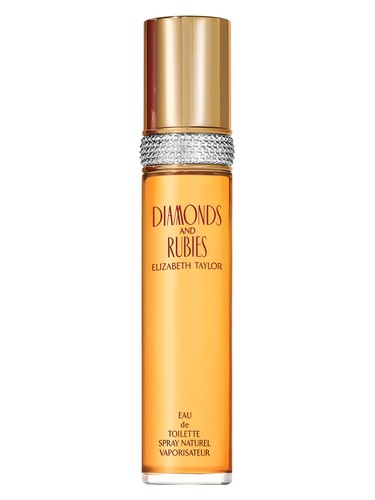
The similar fragrances list reads like a greatest hits of powerhouse perfumery: Diamonds and Rubies (also Elizabeth Taylor), Coco Eau de Parfum by Chanel, Dune by Dior, Poison by Dior, and Samsara Eau de Parfum by Guerlain. This company suggests Black Pearls operates in the realm of serious, substantial oriental and chypre fragrances that dominated the 1980s and 1990s.
Where Black Pearls distinguishes itself is in that relentless powder emphasis. While Poison brings anise and spice, and Samsara leans into sandalwood and jasmine, Black Pearls commits most fully to its powdery identity, making it perhaps the most overtly nostalgic of the group.
The Bottom Line
Black Pearls isn''t trying to be everything to everyone, and that''s precisely its strength and limitation. With a sub-$30 price point for most concentrations, it offers exceptional value for those who connect with its aesthetic. The 3.82 rating reflects not mediocrity but polarization—this is a fragrance that some will rate highly and others will reject entirely.
Should you try it? Yes, if you''ve ever smelled a vintage fragrance and thought "they don''t make them like this anymore." Yes, if powder is a feature, not a bug. Yes, if you want something that feels like a piece of perfume history rather than a contemporary creation. No, if you prefer fresh, clean, or minimalist scents. No, if "vintage" feels like a euphemism for outdated.
Black Pearls is a time capsule, beautifully preserved and utterly committed to its era. That''s either exactly what you''re looking for, or precisely what you''re not.
KI-generierte redaktionelle Rezension