First Impressions
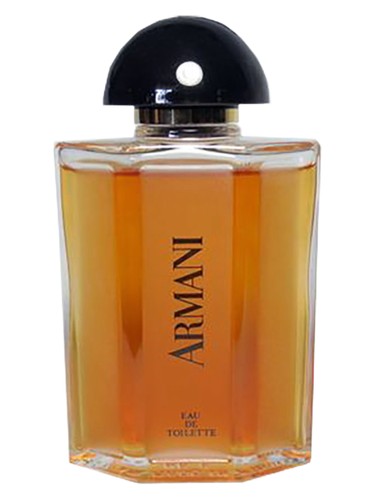
The first spray of Armani transports you instantly to 1981—not through nostalgia, but through sheer force of character. This is galbanum at full throttle, a verdant blast so sharp and unapologetic it could cut glass. Within seconds, aldehydes spark like champagne bubbles against this green backdrop, while an unexpected thread of mint weaves coolness through the composition. There''s pineapple here too, though not the tropical sweetness you might expect; instead, it reads as tart, almost metallic, adding to the fragrance''s architectural precision. This opening doesn''t whisper—it announces, commanding attention with the confidence of a woman stepping into the boardroom in an impeccably tailored power suit.
The Scent Profile
The journey from top to base in Armani follows a trajectory that feels both deliberate and luxurious, like watching a sculptor reveal form from marble. That arresting galbanum-aldehydes-bergamot trinity dominates the opening minutes, creating what can only be described as aggressively sophisticated green. The marigold adds a bitter, herbaceous quality that prevents any softness from creeping in prematurely, while the mint provides an aromatic lift that keeps the composition from feeling flat.
As the heart emerges, the fragrance shifts from angular to opulent. A white floral bouquet unfolds—tuberose, jasmine, lily-of-the-valley, and orchid—but these aren''t the gauzy, romantic florals of conventional femininity. Here they''re structured by narcissus and grounded by the powdery sophistication of orris root. The rose and cyclamen add classical elegance, but the overall effect remains cool rather than warm, cerebral rather than emotional. This is florality with its emotions in check, beauty with ambition.
The base is where Armani reveals its true nature as a green chypre of the highest order. Oakmoss forms the foundation—earthy, slightly bitter, utterly essential—while cedar and sandalwood provide woody architecture. Benzoin and tonka bean introduce balsamic sweetness, but it''s measured, tempered by amber and musk that add depth without sacrificing the fragrance''s fundamental austerity. The result is a finish that''s simultaneously soft and strong, enveloping yet never cloying.
Character & Occasion
The data tells a clear story: Armani is a cold-weather powerhouse, scoring 100% for fall and 90% for winter while dropping to just 25% for summer. This makes perfect sense—the heavy green opening and rich chypre base would overwhelm in heat but bloom magnificently in crisp air. Spring earns a modest 40%, suggesting those transitional days when temperatures drop after sunset.
The day/night split is revealing: 64% day versus 88% night. While Armani certainly works during daylight hours, it truly comes alive after dark. This isn''t a fragrance that fades into the background during evening occasions; it holds its own under artificial light, in close quarters, during moments that demand presence rather than subtlety.
This is fragrance for women who don''t apologize for taking up space. It suits professional settings where authority matters, evening events that call for sophistication over sweetness, and any occasion where memorable impact outweighs the need to blend in. Age is less relevant than attitude—this works for a confident 25-year-old as well as a powerful 55-year-old.
Community Verdict
Here''s where we need to address some confusion in the data. The community feedback provided appears to reference Armani Code Profumo—a different fragrance entirely. The Reddit discussion mentions "green apple and cardamom," "nutmeg," and comparisons to "Eros or Invictus"—all markers of modern masculine fragrances rather than this 1981 green chypre.
What we can rely on is the aggregate rating: 4.32 out of 5 from 787 votes. This is exceptional, suggesting that among those who''ve actually experienced this vintage Armani, satisfaction runs remarkably high. For a fragrance over forty years old to maintain such strong approval speaks to its enduring quality and distinctive character.
How It Compares
Armani sits comfortably among the great green chypres of its era. The comparison to Chanel N°19 is apt—both share that galbanum-forward intensity and aristocratic bearing. Safari by Ralph Lauren offers a similar green-woody profile with perhaps more accessibility. Fidji by Guy Laroche takes a lighter approach to green florals, while Magie Noire by Lancôme ventures into darker, more mysterious territory. First by Van Cleef & Arpels shares the luxurious white floral heart but with warmer, more aldehydic presentation.
What distinguishes Armani is its designer pedigree translating directly into olfactory form—this smells like fashion, like clean lines and expensive fabric, like ambition made wearable.
The Bottom Line
At 4.32 out of 5, Armani earns its status as a minor classic from the early 1980s. This isn''t a safe fragrance or an easy one, but it''s undeniably a great one. The green-aromatic-woody profile remains compelling decades after its release, a testament to perfumery that prioritized character over mass appeal.
The challenge is availability. As a 1981 release, finding authentic bottles requires hunting through vintage markets and specialized retailers. For those willing to search, the reward is a fragrance that stands apart from contemporary offerings—something genuinely different in an era of focus-grouped sameness.
Who should try it? Anyone drawn to classic green chypres, fans of N°19 or vintage perfumery, and women seeking fragrance that projects confidence rather than approachability. This isn''t for wallflowers or those seeking compliments. This is for making statements.
KI-generierte redaktionelle Rezension