First Impressions
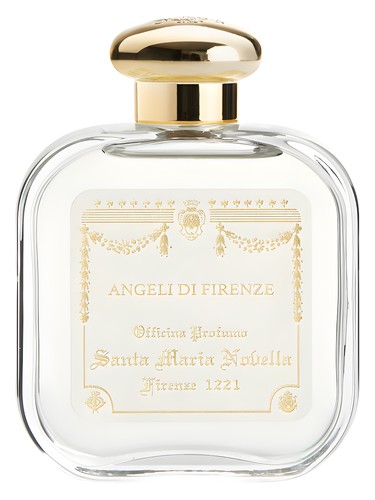
The name promises celestial visions—Angels of Florence—but the first spray of Angeli di Firenze delivers something unexpected: a rush of fruit bowl freshness wrapped in wisps of white flowers. There''s jasmine here, certainly, and the green-sweet tendrils of ylang-ylang, but they''re almost immediately overtaken by a juicy, aquatic fruitiness that feels more Mediterranean market than Renaissance fresco. The cyclamen adds a peculiar watery quality, transforming what could have been a soaring floral into something grounded, modern, and decidedly playful. This is not the incense-laden solemnity you might expect from one of the world''s oldest pharmacies; instead, it''s a sun-drenched interpretation of femininity that trades baroque opulence for breezy accessibility.
The Scent Profile
Angeli di Firenze opens with its white floral trio—jasmine, cyclamen, and ylang-ylang—but these flowers never quite claim center stage. The jasmine is soft rather than indolic, the ylang-ylang more creamy than narcotic. Cyclamen, that often-synthetic note meant to evoke aquatic freshness, sets an unusual tone from the start, creating an ozonic backdrop that feels slightly detached from traditional perfumery.
The heart is where things take an unmistakably fruity turn. Melon and peach dominate, their fleshy sweetness underpinned by black currant''s tart edge. There''s iris too, which should theoretically lend its signature powdery elegance, but in practice, it seems to amplify the fruity notes rather than temper them. This is where the fragrance''s identity becomes apparent: it''s a fruit-forward composition that happens to contain florals, rather than the other way around. The melon note, in particular, carries that distinctive aquatic sweetness popularized in the early 2000s—a time capsule quality that places Angeli di Firenze firmly in its 2006 origins.
Community members note an additional pear accord not listed in the official notes—a phantom fruit that some wearers find develops an unfortunate sourness as the fragrance dries down. This transformation can be jarring, shifting the scent from fresh and appetizing to slightly fermented over time.
The base attempts to rein in the exuberance with white musk, vanilla, and precious woods. The vanilla adds sweetness without heaviness, the musk provides that clean, laundry-fresh quality so prevalent in contemporary fragrances, and the woods offer just enough structure to prevent the composition from floating away entirely. The powdery quality becomes more pronounced here, creating a soft-focus finish that''s pleasant if not particularly memorable.
Character & Occasion
This is emphatically a warm-weather fragrance. The data confirms what the nose suspects: spring wears this scent perfectly (100%), with summer following close behind (97%). The fruity-aquatic character simply deflates in cooler months—fall and winter ratings drop to 18% and 13% respectively, and for good reason. This is a fragrance that needs sunshine and warmth to make sense, where its breezy sweetness feels appropriate rather than incongruous.
As a daytime scent, Angeli di Firenze excels (93% day wear rating), but it has virtually no place in evening contexts (only 14% night wear). This is office-appropriate, coffee-date friendly, and farmer''s-market perfect. It lacks the projection and complexity that formal evening occasions typically demand, instead offering easy-wearing, undemanding prettiness.
The fragrance skews decidedly young and casual. While Santa Maria Novella''s heritage might suggest sophistication, Angeli di Firenze plays to a different audience: those seeking something fresh, uncomplicated, and approachable rather than challenging or intellectually engaging.
Community Verdict
The Reddit fragrance community''s response to Angeli di Firenze is notably sparse and mixed, garnering a sentiment score of only 5.5 out of 10. With just five opinions forming the community data, this isn''t a fragrance generating passionate discussion or devoted followings.
The pros identified are modest: users appreciate the pleasant initial impression and the white floral composition, particularly for sampling purposes. The recommendation here is clear—this is a try-before-you-buy proposition, suitable for discovery rather than blind purchasing.
The cons are more specific and concerning. Multiple users mention the presence of a pear note (unlisted in official descriptions) that tends to turn sour over time, creating an unpleasant development that undermines the initial charm. For those specifically seeking pure white florals without fruity interference, this creates a fundamental mismatch between expectation and reality.
The limited community discussion itself tells a story: despite Santa Maria Novella''s prestigious reputation and Angeli di Firenze''s decent 3.95 rating from 530 votes, the fragrance hasn''t captured imaginations or sparked debate.
How It Compares
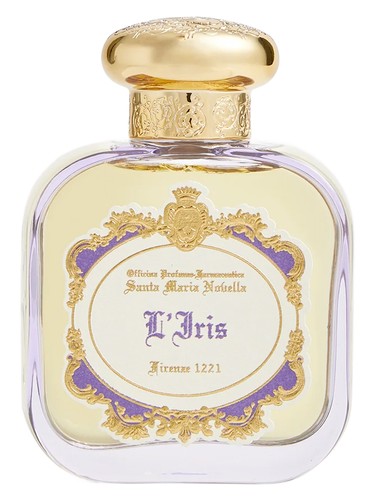
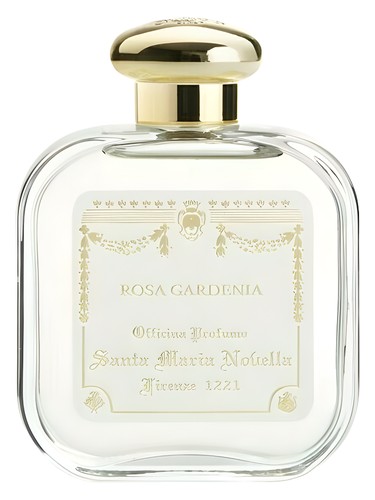
The listed similar fragrances offer interesting context. Byredo''s Mojave Ghost and Blanche both share that clean, minimalist aesthetic, though they''re far less overtly fruity. L''Eau Papier by Diptyque offers a similar soft, musky quality without the fruit salad. Most tellingly, Santa Maria Novella''s own L''Iris and Rosa Gardenia suggest that those drawn to this house might find more satisfying florals elsewhere in their extensive catalogue.
Angeli di Firenze occupies an awkward middle ground—too fruity for serious floral lovers, too powdery and restrained for gourmand enthusiasts, and perhaps too derivative of early-2000s department store aesthetics to stand out in a contemporary niche market.
The Bottom Line
With a 3.95 rating from 530 votes, Angeli di Firenze sits in respectable but unremarkable territory. It''s not poorly made—Santa Maria Novella''s technical expertise is evident in the smooth blending—but it lacks a clear reason to exist beyond offering another option in an already crowded category.
Who should try it? Those curious about Santa Maria Novella''s modern interpretations, anyone seeking a light summer fragrance with fruity-floral character, and samplers building their olfactory education. Who should skip it? Serious white floral devotees, anyone averse to melon or aquatic notes, and those expecting something befitting the "Angels of Florence" name.
Sample first, always. That sour pear development reported by users could be a dealbreaker, and only your skin chemistry will reveal whether you''re susceptible to this transformation. At best, Angeli di Firenze offers uncomplicated summer prettiness. At worst, it''s a reminder that even storied houses sometimes create fragrances that are merely pleasant rather than transcendent.
KI-generierte redaktionelle Rezension