First Impressions
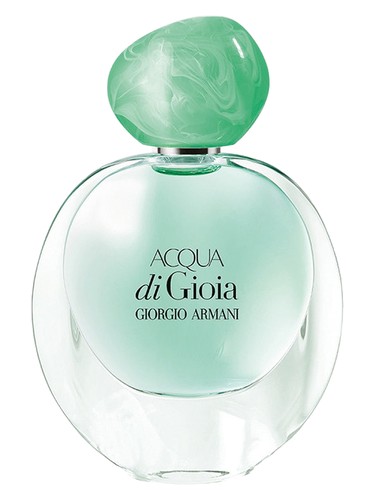
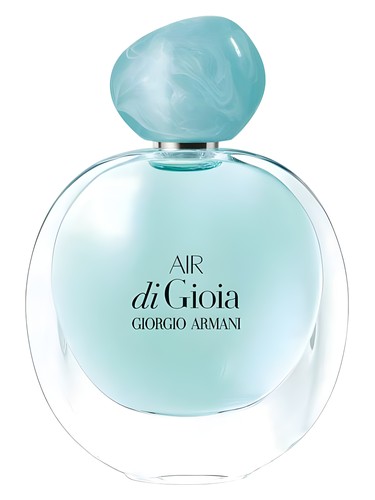
The first spray of Air di Gioia delivers an immediate transport—not to a tropical beach, but to something more nuanced: a sun-drenched Italian coastline where salt-weathered cypress trees meet the sea. There''s an unmistakable mineral quality that cuts through the initial burst of neroli and mandarin orange, creating an opening that feels both familiar and refreshingly unconventional. This isn''t your standard citrus splash; the salt accord lends it an almost atmospheric quality, as if capturing the very essence of Mediterranean air rather than simply evoking it through pretty florals and citruses.
The Scent Profile
Air di Gioia''s evolution tells the story of a fragrance that refuses to follow the expected script. The top notes of salt, neroli, and mandarin orange create an opening that''s crisp without being sharp, bright without being saccharine. That salt note—accounting for 47% of the fragrance''s character according to community perception—acts as a fascinating moderator, tempering what could have been an overly sweet citrus opening into something more sophisticated and wearable.
As the fragrance settles into its heart, the composition reveals its true intentions. Peony, orange blossom, and ylang-ylang form a triumvirate of white florals that hover beautifully between delicate and assertive. The orange blossom provides a bridge between the citrus opening and the floral heart, maintaining a thread of continuity that makes the transition seamless. Here, the 63% floral accord becomes apparent, yet it''s never overwhelming—the woody backbone (registering at a dominant 100%) keeps everything grounded and structured.
The base is where Air di Gioia truly distinguishes itself from the crowd of summery florals. Cypress brings an aromatic, almost resinous quality that''s unexpected in a fragrance marketed for warm weather. Combined with moss, patchouli, and cashmere wood, the foundation is decidedly woody and substantial—perhaps more so than the airy name might suggest. This creates an intriguing contrast: a fragrance that feels light and breezy in wear but possesses surprising depth and longevity thanks to its robust base.
Character & Occasion
The community has spoken clearly on this one: Air di Gioia is an overwhelmingly summer fragrance, with 97% of wearers identifying it as their warm-weather companion. Spring follows at 72%, while fall and winter trail significantly at 19% and 12% respectively. This makes perfect sense given the composition''s fresh (53%) and citrus (48%) qualities, though that woody foundation offers just enough substance to carry it into the cooler edges of autumn.
The day/night data is even more definitive—100% day, 15% night. This is unequivocally a daytime fragrance, best suited for casual to business-casual settings where you want to smell polished but approachable. Think weekend brunches, outdoor work meetings, summer garden parties, or simply running errands while feeling pulled together. The salty-woody character makes it particularly well-suited for coastal environments or anywhere you''re seeking that breezy, elevated-casual vibe.
Who is this for? The woman who finds traditional fruity-florals too cloying but wants something more accessible than niche woody fragrances. Someone who appreciates sophistication without severity, and who understands that "light" doesn''t have to mean simple or forgettable.
Community Verdict
With a solid 3.72 out of 5 stars from 1,104 votes, Air di Gioia occupies that interesting middle ground: well-liked but not universally adored. This rating suggests a fragrance that performs admirably at what it sets out to do, though it may not inspire the passionate devotion reserved for true masterpieces or cult classics. The substantial vote count indicates this isn''t an obscure or overlooked release—plenty of people have tried it and formed opinions.
That near-four-star rating is nothing to dismiss. It represents a fragrance that consistently delivers on its promise, even if it doesn''t dramatically exceed expectations. For many wearers, reliability and wearability trump groundbreaking originality, and Air di Gioia seems to excel in that practical sweet spot.
How It Compares
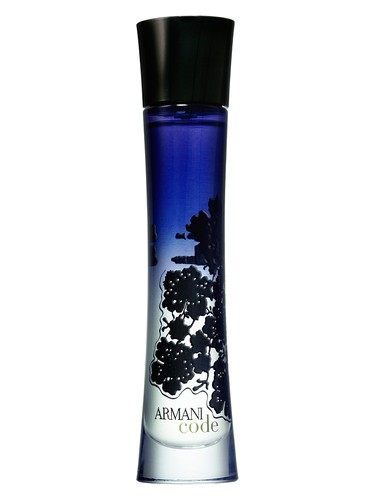
The comparison set reveals Air di Gioia''s positioning in the designer fragrance landscape. Placed alongside Chance Eau Fraiche by Chanel, Light Blue by Dolce & Gabbana, and Bright Crystal by Versace, it occupies the premium summer fragrance category—fresh, feminine, and decidedly upscale without venturing into intimidating territory.
What distinguishes Air di Gioia from Light Blue''s classic aquatic-citrus or Bright Crystal''s magnolia-centered sweetness is that woody-salty signature. While those comparisons lean heavily into their aquatic or floral identities, Air di Gioia maintains a more sophisticated, structural backbone. The presence of Coco Mademoiselle in the comparison set is telling—it suggests this fragrance offers more complexity than your average summer spray, with that patchouli and cashmere wood bringing an unexpected kinship to more traditionally "serious" fragrances.
The Bottom Line
Air di Gioia represents solid, dependable design from Giorgio Armani—a house known for elegant restraint. At 3.72 stars, it''s a fragrance that does exactly what it promises: delivers a refined, wearable summer scent with enough character to stand out from the crowd without alienating anyone. The woody-salty signature elevates it above generic citrus-florals, while remaining accessible enough for daily wear.
Should you try it? Absolutely, if you''re seeking a sophisticated warm-weather fragrance that skews more Mediterranean coastline than tropical resort. It''s ideal for those who''ve graduated beyond overly sweet designer florals but aren''t ready to dive into challenging niche territories. The value proposition is reasonable for designer pricing, particularly given its versatility across spring and summer occasions.
This isn''t a statement fragrance or a showstopper—it''s a well-crafted daytime companion that lets you, not your perfume, be the main character. Sometimes that''s exactly what you need.
KI-generierte redaktionelle Rezension