First Impressions
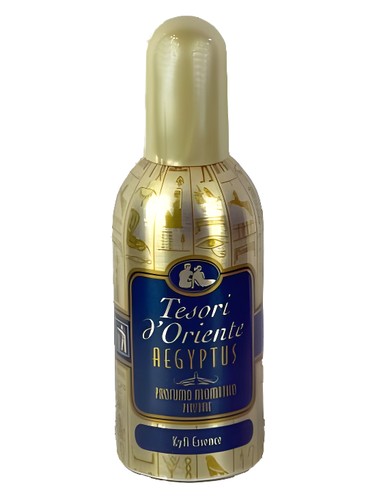
Uncap Aegyptus and you''re immediately transported—not to a modern perfume counter, but to something more theatrical, more deliberately exotic. The opening spray releases a curious combination: bright bergamot and ylang-ylang tempered by green, almost resinous notes that suggest papyrus reeds along the Nile. There''s fruit here too, though it reads less tropical and more like dried dates in a spice market. This is Tesori d''Oriente''s love letter to ancient Egypt, and it doesn''t whisper—it announces itself with the confidence of temple incense wafting through stone corridors.
What strikes you first is the powdery quality that dominates this fragrance from the very beginning. Even in those opening moments, you can sense the soft, talc-like texture that will define Aegyptus throughout its entire journey on skin. This isn''t a fresh, aquatic interpretation of Egypt; it''s the warm, dusty, spice-laden version—amber light filtering through linen curtains, not midday sun on the Mediterranean.
The Scent Profile
The top notes of Aegyptus dance between contradiction and harmony. Bergamot provides citrus brightness while ylang-ylang contributes its characteristic creamy, slightly banana-like floralcy. Green notes keep everything from becoming too sweet, adding a vegetal quality that evokes crushed stems and sap. The fruity elements feel deliberately indistinct—more of an impression than a specific fruit, like the memory of sweetness rather than sweetness itself.
As the fragrance settles into its heart, the Egyptian fantasy becomes more literal. Blue lotus—that sacred flower depicted in hieroglyphics and temple reliefs—emerges alongside papyrus, creating an aquatic-green-floral accord that feels genuinely unique. This isn''t your standard rose-jasmine heart, though both flowers are present. The spices begin to assert themselves here, warm and resinous without being specifically identifiable as cinnamon or cardamom. Iris adds a refined, slightly rooty powder, while the florals weave together into something cohesive rather than competing for attention.
The base is where Aegyptus reveals its true nature. Those powdery notes that hinted at their presence from the beginning now bloom fully, supported by musk and woody accords that provide structure without heaviness. Oriental notes—that classical perfumery term for ambery, balsamic, vanilla-adjacent warmth—wrap everything in a soft, enveloping embrace. The fragrance doesn''t so much fade as it settles into skin like fine powder, becoming an intimate skin-scent with surprising tenacity given its likely concentration.
Character & Occasion
The community data tells a clear story: Aegyptus is a cold-weather champion. Fall is its absolute sweet spot, with winter following closely behind as its natural habitat. The powdery-spicy character that might feel heavy in July''s humidity becomes utterly appropriate when temperatures drop. That said, 69% of wearers find it acceptable for spring, and surprisingly, 61% even embrace it in summer—perhaps in air-conditioned spaces or for evening occasions.
Speaking of timing, this is overwhelmingly a daytime fragrance, with 99% day-wear approval. That powdery softness makes it office-appropriate and non-intrusive, though 68% still find it suitable for evening wear. It''s versatile in the way a good cashmere sweater is versatile—technically appropriate for many occasions, but with a clear sweet spot.
This is a fragrance marketed to women, and its powdery-floral character certainly leans traditionally feminine. But the spicy, woody elements give it enough depth that it transcends simple categorization. Someone seeking an exotic, mysterious signature scent that doesn''t rely on fruity-floral sweetness or fresh laundry notes will find much to love here.
Community Verdict
With 676 votes averaging 3.8 out of 5, Aegyptus sits in that interesting "above average but not universally beloved" territory. This isn''t a safe crowd-pleaser, and that''s precisely its appeal. The rating suggests a fragrance with clear character and a defined point of view—some will find it transporting and unique, while others may find the powdery-spicy combination old-fashioned or too niche.
The fact that it''s garnered nearly 700 votes despite being from a lesser-known brand speaks to its cult appeal. This is a fragrance that rewards those who seek it out, who are willing to look beyond prestige names for interesting compositions at accessible price points.
How It Compares
The comparison list reads like a roadmap through powdery, spicy, oriental territory. LouLou by Cacharel shares that vintage powdery-oriental DNA, while Gloria Vanderbilt''s Vanderbilt occupies similar old-school territory. More surprising are the mentions of Euphoria and Black Orchid—both modern powerhouses that share Aegyptus''s willingness to embrace heady, unapologetic femininity.
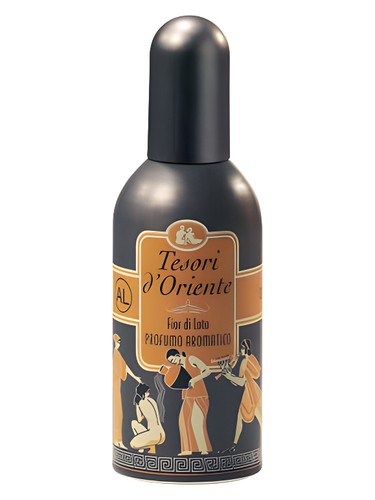
The most telling comparison is Fior di Loto, another Tesori d''Oriente fragrance. This suggests the brand has a consistent aesthetic: exotic, botanical inspirations executed with a powdery, accessible touch. Where Black Orchid costs ten times more and projects with runway intensity, Aegyptus offers a gentler, more intimate interpretation of similar themes.
The Bottom Line
Aegyptus won''t convert those who despise powdery fragrances or find warm spices cloying, but that''s not a weakness—it''s clarity of vision. This is an affordable fragrance that knows exactly what it wants to be: an Egyptian fantasy wrapped in soft powder and blue lotus mystery, perfect for cool weather and daytime wear.
At its price point, it''s an easy recommendation for anyone curious about oriental fragrances without the financial commitment of niche or designer bottles. The 3.8 rating reflects honest appreciation rather than hype, which is perhaps the most trustworthy endorsement of all. Try Aegyptus if you''ve ever been enchanted by museum exhibits of ancient Egypt, if you appreciate powder and spice over citrus and aquatics, or if you simply want something different from the ubiquitous fruity florals dominating the market. It won''t be everyone''s cup of tea—or perhaps more appropriately, everyone''s cup of karkadeh—but for its admirers, it offers genuine transportive magic.
KI-generierte redaktionelle Rezension