First Impressions
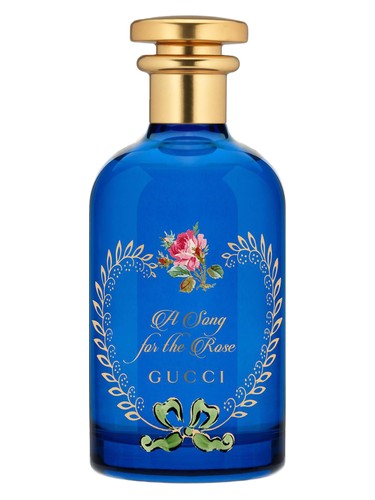
The first spray of A Song For The Rose reveals Gucci''s intention to subvert expectations. This isn''t the dewy garden rose of your grandmother''s vanity, nor is it the jammy, syrupy confection that dominated perfume counters in the early 2000s. Instead, what emerges is something more whispered than proclaimed—a rose that seems to have been worn against skin, warmed by body heat, and transformed into something entirely more intimate. The opening feels almost like walking into a room where someone has just left, their presence still palpable in the air. There''s an immediate softness here, a muskiness that envelops the floral before it can ever turn shrill or obvious.
The Scent Profile
Without the traditional roadmap of specified top, heart, and base notes, A Song For The Rose takes a more holistic approach to its composition—and perhaps that''s precisely the point. The rose accord dominates at full strength, but it''s the supporting cast that tells the real story.
The musky character, registering at nearly half the fragrance''s identity, acts as both foundation and veil. This isn''t clean laundry musk or synthetic white musk; there''s a skin-like quality that borders on animalic (noted at 7%), giving the rose a lived-in quality that feels remarkably human. It''s the difference between a rose in a crystal vase and a rose tucked behind an ear.
As the fragrance settles, woody elements emerge at just over a third of the composition, grounding what could have been an entirely ephemeral experience. These aren''t aggressive cedar or sandalwood declarations, but rather a gentle framework that keeps the rose from floating away entirely. The powdery facets—present at nearly a quarter of the fragrance''s character—add a vintage sensibility, like finding a silk scarf in an antique trunk, still holding traces of its previous owner''s perfume.
The floral accord beyond the rose itself remains subtle at 30%, suggesting that this is truly a rose solo performance rather than a bouquet. The fragrance seems to exist in a state of constant soft focus, never quite crystallizing into sharp definition, maintaining an almost impressionistic quality throughout its wear.
Character & Occasion
The community data reveals A Song For The Rose as a chameleon that adapts across seasons with surprising versatility. Spring emerges as its perfect stage—no surprise for a rose fragrance—but its strong showing in fall (76%) and summer (72%) speaks to its sophisticated restraint. The musky, woody base prevents it from reading as too fresh or light for cooler weather, while the powdery softness keeps it from overwhelming in heat. Even winter claims just over half the votes, suggesting this rose has more warmth than its delicate name might imply.
The overwhelming preference for daytime wear (92%) positions this squarely in the realm of personal scent rather than statement fragrance. This is the perfume equivalent of a handwritten note—meant for close encounters, not crowded rooms. Yet its respectable 59% night rating suggests it transitions gracefully into evening, particularly for intimate dinners or cultural events where subtlety trumps projection.
This is a fragrance for those who''ve graduated from obvious florals and seek something with more nuance. It suits the person who prefers suggestion over declaration, who understands that true luxury often whispers rather than shouts.
Community Verdict
With a solid 4 out of 5 stars from 383 votes, A Song For The Rose has earned genuine appreciation from a substantial community. This isn''t a niche darling with only a handful of devotees, nor is it a mainstream blockbuster with polarizing reviews. The rating suggests consistent quality and appeal—a fragrance that delivers on its promise without radical divisiveness.
The vote count itself indicates staying power since its 2019 release. Four years on, people are still discovering, wearing, and rating this fragrance, which speaks to something beyond initial hype. That it maintains a 4-star average across nearly 400 opinions suggests a well-executed concept that resonates broadly, even if it may not inspire the fanatical devotion of a 4.5 or 5-star fragrance.
How It Compares
The comparison list reads like a who''s who of sophisticated rose and oud compositions—Oud Satin Mood, Portrait of a Lady, Noir de Noir—fragrances that typically command significantly higher price points and niche positioning. That A Song For The Rose shares DNA with these revered scents while bearing the Gucci name positions it intriguingly.
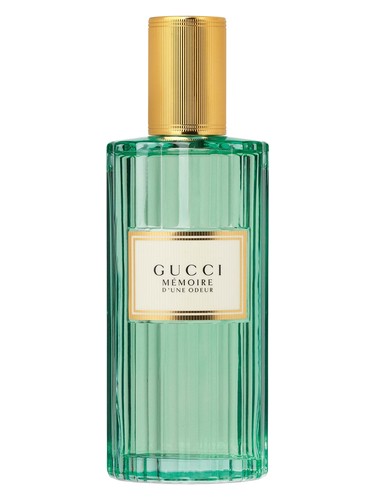
It''s notably less opulent than Portrait of a Lady''s patchouli-rose drama, less overtly oud-forward than the Kurkdjian comparison, and gentler than Tom Ford''s Noir de Noir. The inclusion of Mémoire d''une Odeur—also by Gucci—in the similar fragrances list suggests a house aesthetic favoring restraint and intimacy over bombast. Where those comparisons often veer into evening-exclusive territory, A Song For The Rose maintains versatility.
The Bottom Line
A Song For The Rose succeeds precisely because it doesn''t try to reinvent the rose, but rather to recontextualize it. This is rose as memory rather than reality, as impression rather than photograph. The 4-star rating from a substantial community confirms that this approach resonates, even if it doesn''t provoke the passionate extremes of love-or-hate fragrances.
For someone seeking a sophisticated, wearable rose that works across multiple seasons and occasions, this delivers remarkable value within the designer category. It''s particularly worth exploring if you''ve found traditional rose fragrances too sharp, too sweet, or too simplistic. The musky-woody framework gives it enough complexity to remain interesting without demanding attention.
Should you blind buy? The versatility and community approval suggest relatively low risk, but those seeking projection or bold presence should sample first. This is intimate perfumery—beautiful, well-crafted, and decidedly personal.
KI-generierte redaktionelle Rezension