First Impressions
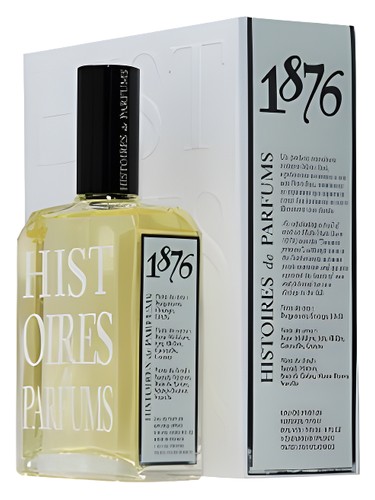
The first spray of 1876 announces itself with the kind of confidence that suggests it knows exactly what it is—and isn''t apologizing. A burst of litchi sweetness tempered by citrus brightness creates an opening that feels both vintage and unexpectedly modern. There''s something almost theatrical about the way this fragrance introduces itself, as if you''ve just opened the door to a perfumer''s atelier circa 1876, where spice jars line mahogany shelves and rose petals dry in muslin sachets. This is Histoires de Parfums doing what it does best: bottling a year, an era, a mood that feels simultaneously historical and wearable.
The Scent Profile
The opening act of litchi, orange, and bergamot creates a deceptive softness—fruity and bright, almost innocent. But this is merely the prologue. Within minutes, the heart reveals its true ambitions: a complex tapestry of rose, carnation, and iris woven through with the unexpected spice of caraway and cinnamon. This isn''t your grandmother''s rose water, nor is it a modern minimalist interpretation. The rose here is full-bodied and unapologetic, supported by the clove-like spiciness of carnation and the lipstick-smooth elegance of iris.
The caraway note deserves special mention—it''s an unusual choice that adds an aromatic, almost medicinal edge to the floral heart. Combined with cinnamon''s warmth, it creates what can only be described as a spiced floral arrangement dusted with face powder. The violet adds a nostalgic sweetness, softening the composition''s more assertive elements.
As the fragrance settles into its base, the wood trio of guaiac, vetiver, and sandalwood emerges with authority. This is where that dominant 100% woody accord makes its presence fully known. The woods here aren''t fresh or green; they''re warm, slightly smoky, and decidedly vintage in character. Vanilla and musk round out the foundation, adding creaminess and skin-like intimacy that prevents the composition from becoming too austere. The overall impression is powdery (89% accord strength) and warm-spicy (82%), creating a scent that envelops rather than projects aggressively.
Character & Occasion
The data speaks clearly: 1876 is a cold-weather companion. With fall registering at 100% and winter at 76%, this is a fragrance that thrives when temperatures drop and you''re wrapped in wool and cashmere. Spring wearability sits at 64%, suggesting it can transition into cooler spring days, but summer''s 36% rating confirms what the nose already knows—this is too rich, too warm, too enveloping for heat and humidity.
Interestingly, while it skews heavily toward day wear (84%), it maintains respectable night wearability (65%). This versatility suggests a fragrance comfortable in both the conference room and the dinner party, though its powdery, vintage character might read more sophisticated professional than seductive evening statement.
The "feminine" classification feels both appropriate and limiting. Yes, the rose-powder-wood structure follows a traditionally feminine blueprint, but the woody dominance and spice complexity give it enough substance that confident wearers of any gender could claim it.
Community Verdict
Here''s where things get complicated. With a 3.86 out of 5 rating from 750 votes and a mixed sentiment score of 6.5/10 from the Reddit fragrance community, 1876 clearly doesn''t inspire universal devotion. The community data reveals a fragrance that exists in a strange liminal space—acknowledged but not celebrated, recognized but rarely discussed in detail.
The pros are genuine if modest: rose lovers find beauty in its floral heart, and it benefits from association with the respected Histoires de Parfums house, which has built a reputation for quality and conceptual coherence. But the cons are perhaps more telling. The limited discussion, minimal detailed reviews, and insufficient data on performance characteristics suggest a fragrance that hasn''t captured imaginations or sparked passionate debate. In the attention economy of fragrance communities, silence can be more damning than criticism.
The recommendation for rose collectors and Histoires de Parfums completists feels accurate—this is a fragrance for those already invested in either the note or the brand, rather than a must-try that transcends its category.
How It Compares
The comparison list reads like a who''s who of opulent, complex feminines: Lyric Woman and Epic Woman from Amouage, Feminité du Bois from Serge Lutens, Black Orchid from Tom Ford. These are fragrances with weight, presence, and devoted followings. What''s notable is that most of these comparisons are more famous, more discussed, and arguably more successful than 1876 itself.
Within its own brand family, 1889 Moulin Rouge offers an alternative vision, while Feminité du Bois presents the gold standard of woody rose compositions that 1876 seems to be channeling. The comparison to Black Orchid is perhaps the most intriguing—both are rich, powdery, vintage-inspired fragrances that divide opinion, though Tom Ford''s creation has achieved significantly more market penetration.
The Bottom Line
1876 is a competent, well-constructed fragrance that suffers primarily from existing in a crowded field without a compelling reason to choose it over better-known alternatives. The 3.86 rating suggests solid execution without inspiration, and the limited community enthusiasm confirms that assessment. This is a fragrance that does what it sets out to do—create a woody, powdery, spiced rose composition—without transcending the category or offering a unique perspective.
For rose devotees working through the Histoires de Parfums catalog, it''s worth a sample. For those building a cold-weather rotation who respond to vintage-style powdery florals, it merits consideration. But for most, the similar fragrances list offers more compelling destinations for your fragrance budget. Sometimes being quietly competent isn''t enough—and in 1876''s case, that quiet may be the very thing holding it back from the acclaim its pedigree suggests it deserves.
KI-generierte redaktionelle Rezension