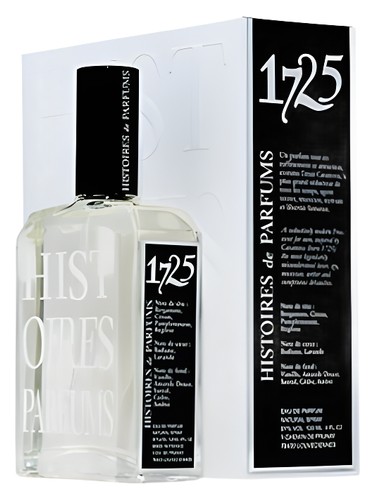
First Impressions
The first spray of 1472 La Divina Commedia feels like stepping into a Florentine chapel at golden hour—warm, reverential, and saturated with centuries of incense smoke. This is amber announced with conviction, not whispered as a supporting player. Solar notes radiate immediately, creating an unexpected brightness that prevents the fragrance from diving straight into the resinous depths you might anticipate. There''s an herbal sharpness from artemisia that cuts through the initial sweetness, while ylang-ylang adds a creamy, almost narcotic floral cushion. It''s a theatrical opening that signals Histoires de Parfums'' literary ambitions: this isn''t just another amber fragrance, but one attempting to capture the divine and infernal journey of Dante''s masterwork in 1472, the year his Comedy was first printed.
The Scent Profile
The opening act balances contradiction—solar warmth against green herbal bite, tropical floral richness against aromatic austerity. The ylang-ylang here isn''t the banana-sweet version that dominates some compositions, but rather a more measured presence that lends texture without overwhelming. Artemisia provides an almost medicinal edge, reminiscent of wormwood and absinthe, grounding what could have been a too-pretty floral opening with something more austere and intellectual.
As the fragrance settles into its heart, the composition reveals its true architecture. Jasmine emerges alongside olibanum (frankincense), creating a white floral presence that feels devotional rather than decorative. This is where 1472 makes its most compelling statement: the marriage of church incense with night-blooming flowers suggests the sacred and profane existing in tension. Cinnamon threads through this phase, adding a warm spice that prevents the olibanum from becoming too solemn or one-dimensional. The spice accord here scores 76% in the community data, and you feel it—this isn''t shy cinnamon, but the robust, slightly hot variety that prickles at the edges of your perception.
The base is where 1472 La Divina Commedia fully commits to its amber identity. With amber registering at 100% in the main accords, this is unquestionably the fragrance''s gravitational center. Rum adds an unexpected boozy sweetness that recalls aged spirits in oak barrels—sophisticated rather than frivolous. Benzoin brings its characteristic vanilla-like warmth, while amber (both as a note and an accord) wraps everything in that timeless, skin-warmed glow that defines the category. The woody undertones (47% in the accords) provide structure, keeping the sweetness from becoming cloying. This is amber with backbone, amber that knows its literary lineage.
Character & Occasion
The community data positions 1472 as quintessentially autumnal, scoring 100% for fall wear, and this feels exactly right. This is a fragrance for when leaves turn copper and the air carries that first hint of woodsmoke. Winter follows closely at 74%, and indeed, this has the warmth and projection to stand up to cold weather without becoming suffocating indoors. Spring registers at 70%—surprisingly high for such a warm composition, but the floral elements and that initial solar brightness make it more versatile than strict amber fragrances that feel trapped in cold weather.
The day/night split (77% day, 55% night) is telling. This isn''t a bombastic evening fragrance designed to dominate a nightclub. Instead, it''s refined enough for daytime wear while maintaining enough presence for evening occasions. Picture it worn to an art gallery opening, a literary lecture, or a sophisticated lunch that stretches into afternoon. It''s intellectual rather than seductive, warm rather than hot.
Marketed as feminine, 1472 wears with enough spice and incense to feel genuinely unisex. Anyone drawn to rich amber compositions will find something compelling here.
Community Verdict
With a rating of 3.83 out of 5 stars across 335 votes, 1472 La Divina Commedia sits in respectable territory without quite achieving masterpiece status. This is solid approval rather than rapturous devotion. The vote count suggests a fragrance that''s found its audience without becoming a blockbuster—perhaps expected for a literary-themed release from a niche house. That rating indicates a well-crafted fragrance that delivers on its promises without necessarily surprising or revolutionizing its category. Some voters likely found it too straightforward in its amber ambitions, while others appreciated exactly that confident clarity of vision.
How It Compares
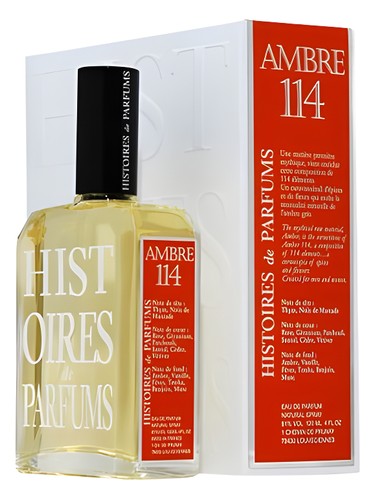
The similar fragrances list reads like a who''s who of modern amber classics. Serge Lutens'' Ambre Sultan remains the gold standard for amber orientals—denser, more mysterious, perhaps more challenging. Histoires de Parfums'' own Ambre 114 offers a closer comparison within the brand''s portfolio, though 1472 distinguishes itself with more prominent spice and that distinctive rum note. By Kilian''s Angels'' Share shares that boozy cognac warmth, while Frederic Malle''s Musc Ravageur brings amber into more overtly sensual territory with prominent musk. Among these heavy hitters, 1472 positions itself as more approachable and wearable—less conceptually extreme but more practically versatile.
The Bottom Line
1472 La Divina Commedia succeeds in creating a literary amber that feels both contemplative and comfortable. It won''t convert amber skeptics, but it offers fans of the genre a beautifully balanced composition that emphasizes warmth and wearability over shock value. The spiced floral opening and boozy base provide enough character to distinguish it from generic amber offerings, while the strong olibanum presence gives it a devotional quality that justifies its Dante-inspired name.
For those seeking an everyday luxury amber with intellectual pretensions and actual substance to back them up, this deserves exploration. The 3.83 rating suggests you''re getting quality craftsmanship rather than groundbreaking innovation—and sometimes that''s exactly what you need. Best suited for fall days when you want to feel wrapped in Renaissance warmth, or for anyone who believes fragrance can capture the weight and beauty of great literature.
KI-generierte redaktionelle Rezension