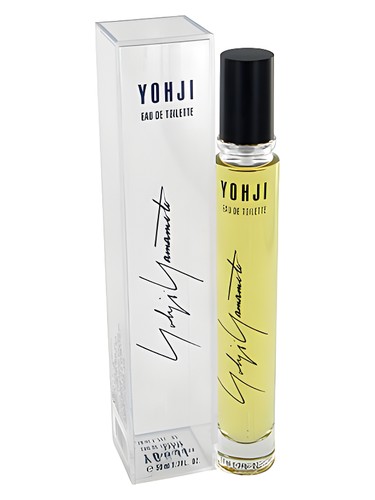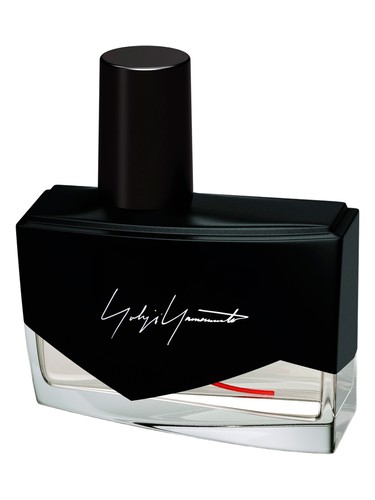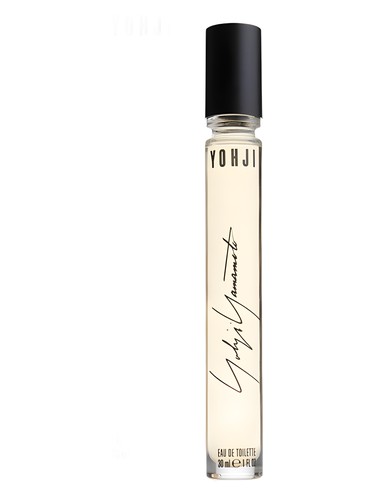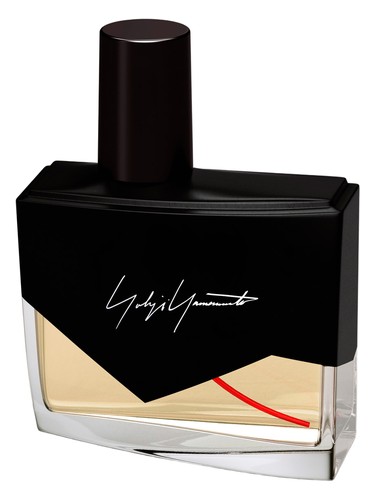
First Impressions
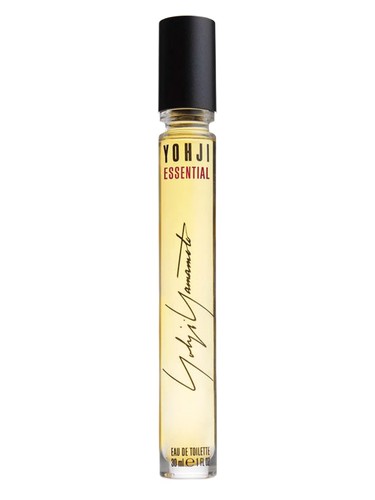
The first spray of Yohji Essential 1998 arrives like a crisp autumn morning in a Japanese garden—sharp, uncompromising, and utterly alive. This is not a fragrance that whispers; it announces itself with the bitter-green thrust of galbanum and the medicinal calm of chamomile, tempered only slightly by grapefruit''s tart brightness. There''s an almost confrontational quality to this opening, a deliberate rejection of the sweet, fruity florals that dominated late-90s femininity. Yohji Yamamoto built a fashion empire on architectural minimalism and monochromatic rebellion, and this fragrance embodies that same philosophy—beauty through restraint, femininity without apology.
The Scent Profile
The opening act is dominated by that formidable green accord—rating at 94% in its intensity—where chamomile and galbanum create an herbal-aromatic fortress. The grapefruit provides citric punctuation rather than sunny optimism, its astringency reinforcing the fragrance''s serious character. This isn''t the approachable green of a spring meadow; it''s the austere green of moss-covered stones and crushed stems.
As the composition evolves, something unexpected happens. The heart reveals a floral tapestry that somehow maintains the fragrance''s structural integrity rather than softening it. Ylang-ylang brings its characteristic creamy richness, while rose and freesia add classical femininity. But here''s where Yohji Essential reveals its genius: raspberry emerges not as a jammy sweetness but as a tart, almost woody accent that bridges the herbal opening and the floral heart. Lily-of-the-valley contributes its green soapiness, ensuring the florals never become too lush or overtly romantic. The floral accord registers at 88%, yet these blooms feel filtered through frosted glass—present but restrained, beautiful but disciplined.
The base is where the woody accord—rated at a perfect 100%—truly asserts its dominance. Sandalwood provides creamy depth while patchouli adds earthy darkness, and amber wraps everything in a subtle warmth that never quite dispels the fragrance''s essential coolness. This foundation is what makes Yohji Essential such a compelling autumn fragrance: the woods feel like bare branches rather than sun-warmed forests, the amber glows like distant streetlights rather than firelight. The sweet accord, at 68%, appears here as well, but it''s a sophisticated sweetness—resinous and complex rather than dessert-like.
Character & Occasion
Yohji Essential 1998 is fundamentally a cool-weather fragrance, rating 100% for fall wear and 65% for winter. This makes perfect sense—it''s a scent that thrives in crisp air, when its green-herbal aspects can cut through layers of clothing and its woody base can provide comforting depth without becoming oppressive. Spring earns 51%, likely during its cooler, greener early weeks, while summer trails at 44%—understandable given the fragrance''s density and aromatic intensity.
The day/night split tells an interesting story: 98% for daytime wear versus 75% for evening. This is a fragrance built for daylight hours, for wearing to work meetings or gallery openings, for walks through urban parks or afternoon coffee dates. It projects competence and sophistication without aggression, creativity without eccentricity. Yet that respectable 75% night rating suggests it transitions well into evening, particularly for occasions when you want presence without obvious seduction.
This is a fragrance for those who appreciate fashion as architecture, who own more black than any other color, who prefer structure over softness. It suits the woman who finds beauty in restraint and power in subtlety.
Community Verdict
With a rating of 4.15 out of 5 stars from 499 votes, Yohji Essential 1998 has earned genuine admiration from a substantial community. This isn''t a niche fragrance with a handful of devoted fans or a mainstream crowd-pleaser with lukewarm approval—it''s a well-regarded composition that has maintained its reputation decades after release. That rating suggests a fragrance that delivers on its promise, that doesn''t polarize but instead satisfies those drawn to its particular aesthetic. Nearly 500 people have taken the time to rate it, indicating this isn''t a forgotten relic but a fragrance that continues to find its audience.
How It Compares
The fragrance shares DNA with several notable compositions. Its closest relative is naturally Yohji 1996, the brand''s earlier feminine offering. The inclusion of Chanel''s Coco Eau de Parfum and Coco Mademoiselle in its comparison set speaks to shared woody-floral sophistication, while Paloma Picasso suggests a similar bold, unapologetic femininity. Dune by Dior points to that oceanic-woody quality, the sense of austere natural beauty. What distinguishes Yohji Essential is its particular balance—greener than Coco, more herbaceous than Coco Mademoiselle, more overtly woody than Dune. It occupies a space between classic French perfumery and Japanese aesthetic philosophy, neither fully warm nor cold, neither entirely soft nor sharp.
The Bottom Line
Yohji Essential 1998 deserves its strong rating. This is a fragrance that understood something important about modern femininity before many others caught on: that strength and beauty needn''t be opposites, that green can be as feminine as pink, that woods can cradle as effectively as florals. It''s not for everyone—those seeking crowd-pleasing sweetness or uncomplicated prettiness should look elsewhere. But for those who appreciate fragrance as an extension of personal aesthetic rather than a universal gesture toward attractiveness, Yohji Essential offers something increasingly rare: genuine point of view. Twenty-five years after its release, it remains essential indeed.
AI-generated editorial review