First Impressions
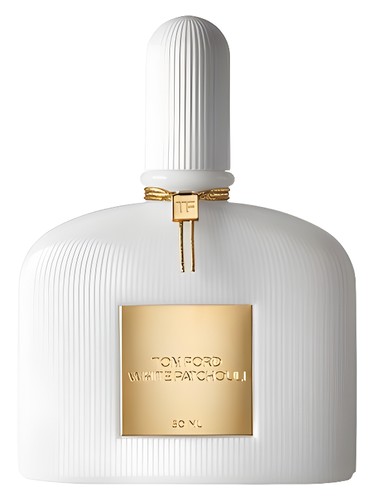
The first spray of White Patchouli delivers something unexpected: clarity. Where the name promises earthy darkness, you''re greeted instead by a luminous cloud of white flowers and crisp bergamot, tempered by an intriguing whisper of coriander''s green spice. It''s the olfactory equivalent of walking into a sunlit conservatory rather than a bohemian den—and that contradiction is precisely what makes this 2008 Tom Ford creation so polarizing. The peony adds a dewiness that feels almost sparkling, while those white flowers bloom with restraint rather than indulgence. This is patchouli reimagined, not repackaged.
The Scent Profile
The opening act pairs bergamot''s citrus brightness with an unexpected supporting cast: white flowers that feel more architectural than romantic, and coriander that adds an herbal, almost soapy greenness. The peony contributes a watery freshness that keeps everything feeling airy rather than heavy. It''s a composition that immediately signals this won''t be your typical patchouli experience.
As the fragrance settles into its heart, the floral narrative deepens. Rose and jasmine emerge, but they''re filtered through ambrette''s peculiar musk—a note that adds texture without weight, creating what feels like cashmere rather than silk. These aren''t the heady, narcotic florals of classic white floral bombs. Instead, they''re clean, almost translucent, with enough presence to anchor the composition but not enough to overwhelm. The 82% white floral accord and 80% floral accord ratings make sense here; this is undeniably floral territory, but rendered with a modern, minimalist sensibility.
The base is where the patchouli finally makes its appearance, though "appearance" might be too strong a word. It''s there—earthy, slightly sweet, unmistakably patchouli—but it''s been scrubbed clean, polished, and set against woody notes and incense that give it structure rather than letting it sprawl. The woody accord dominates at 100%, with patchouli close behind at 99%, yet the effect is of integration rather than confrontation. The incense adds a smoky whisper that feels more meditative than mystical, pulling the whole composition into cohesive, wearable territory.
Character & Occasion
The data tells a clear story: this is a fall fragrance first and foremost (99%), with strong showings in spring (74%) and winter (71%), while summer (44%) takes a distant fourth. That makes sense—White Patchouli has enough warmth and depth to stand up to cooler weather, but its clean brightness keeps it from feeling oppressive when temperatures rise slightly. The warm spicy accord (62%) and aromatic qualities (59%) add just enough complexity to work across multiple seasons.
Where it truly shines is as a daytime scent (100%), though it maintains respectability for evening wear (72%). This is your sophisticated office fragrance, your brunch-with-friends scent, your running-errands-but-still-wanting-to-smell-interesting companion. Despite being marketed as feminine, the composition''s clean lines and woody foundation make it genuinely unisex—a fact the community has enthusiastically embraced.
Community Verdict
The fragrance community approaches White Patchouli with measured appreciation, landing at a sentiment score of 6.8/10 based on 96 opinions—solidly positive but far from unanimous. The official rating of 3.81/5 from 5,313 votes confirms this middle-ground positioning.
The praise centers on its clean, bright, fresh character and its ability to transcend gender boundaries despite the feminine marketing. Wearers appreciate the sophisticated blending of patchouli with white flowers, and many report receiving genuine compliments—always the ultimate real-world test.
But the criticisms are pointed and recurring. The most common complaint? The patchouli is barely detectable, leading many to question the naming choice entirely. Some wearers report actual nausea, suggesting the particular combination of notes doesn''t work for everyone''s chemistry. Fragrantica reviews mention concerns about longevity and complexity, suggesting that for a Tom Ford creation at its price point, expectations may exceed delivery.
The consensus positions it as ideal for unisex everyday wear, particularly in spring and warmer seasons, and best suited for those seeking feminine florals with notably clean aesthetics rather than vintage richness or boho earthiness.
How It Compares
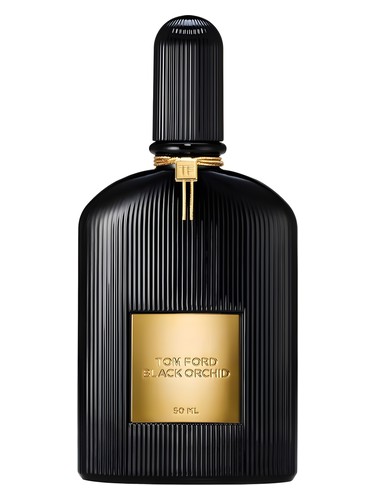
White Patchouli sits in fascinating company among its similar fragrances: Midnight Poison by Dior, Coco Noir and Coco Mademoiselle by Chanel, Dune by Dior, and its Tom Ford sibling Black Orchid. These are sophisticated, complex fragrances with strong identities. Where Black Orchid goes dark and dramatic, White Patchouli chooses light and approachable. Against the Chanel offerings'' polished refinement, it feels slightly more casual. Compared to Dune''s oceanic warmth, it''s more traditionally floral. It occupies a sweet spot between accessibility and sophistication—easier to wear than Black Orchid, more interesting than a straightforward clean floral.
The Bottom Line
White Patchouli is a fragrance of contradictions, and whether that''s a feature or a bug depends entirely on what you''re seeking. If you want patchouli that announces itself, look elsewhere. If you''re chasing maximum longevity or challenging complexity, this may disappoint. But if you want a genuinely wearable woody-floral that happens to contain patchouli rather than being dominated by it—and if you appreciate clean, bright compositions that work across multiple contexts—this deserves your attention.
The 3.81/5 rating reflects its nature as a well-executed, accessible fragrance rather than a groundbreaking masterpiece. It''s good at what it does, but what it does may not be what the name promises. Sample before committing, particularly if you''re sensitive to white florals or have strong opinions about truth in advertising. For those who connect with it, though, it offers reliable, compliment-worthy elegance that punches above its weight in versatility.
AI-generated editorial review