First Impressions
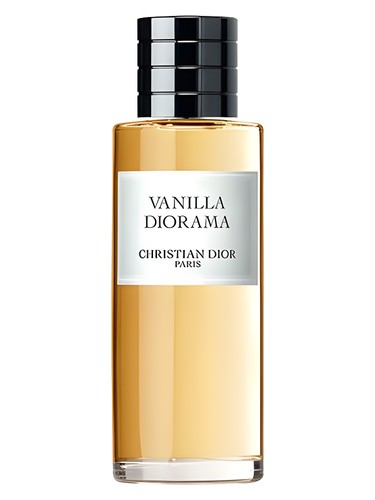
The first spray of Vanilla Diorama delivers an unexpected jolt of brightness—zesty orange and lemon dancing with pink pepper''s effervescent bite. This isn''t the drowsy, sugar-coated vanilla you might expect from the name. Instead, Dior opens with a spirited citrus fanfare that immediately signals ambition: this is vanilla reimagined as the centerpiece of something far more complex and intriguing. The warmth is there from the start, yes, but it''s the kind of warmth you feel when stepping from crisp winter air into a room where something delicious is being prepared—spiced, boozy, and utterly inviting.
The Scent Profile
Vanilla Diorama unfolds like a carefully composed three-act play, each phase revealing new dimensions of its warm spicy character.
The opening act delivers citrus with conviction. Orange and lemon provide a juicy, sun-bright introduction, while pink pepper adds a tingling, almost effervescent quality that prevents any heaviness from settling too quickly. This citrus movement is brief but essential—it lifts the curtain and prepares your senses for the richness to come.
As the fragrance settles into its heart, the real story begins. Rum emerges as a key player, bringing a dark, slightly caramelized boozy quality that transforms the composition from bright to brooding. Cacao adds a bittersweet chocolate dimension—not the milk chocolate of dessert counters, but something darker and more sophisticated. Cardamom weaves through with its green, resinous spiciness, adding an exotic edge that keeps the gourmand elements from veering into confectionery territory. This heart phase is where Vanilla Diorama earns its "warm spicy" designation; it''s intoxicating without being cloying, edible without being literal.
The base extends the warmth into a woody, grounded finish. Bourbon vanilla finally takes center stage—rich, creamy, and beautifully aged in character. Sandalwood provides a smooth, milky woodiness that cradles the vanilla, while patchouli adds depth and a subtle earthiness that anchors the entire composition. This foundation is what gives Vanilla Diorama its remarkable longevity and presence; the dry-down feels substantial, enveloping, like a cashmere wrap against winter''s bite.
Character & Occasion
This is unambiguously a cold-weather fragrance. The community consensus is emphatic: winter scores a perfect mark, with fall close behind at 93%. Spring receives a modest 30%, while summer languishes at just 14%. These aren''t arbitrary preferences—Vanilla Diorama''s warm spicy and woody accords simply demand cooler temperatures to truly shine. In heat, such richness could overwhelm; in cold, it becomes a necessary indulgence.
The day-versus-night profile reveals interesting versatility. While 86% of wearers favor it for evening occasions—unsurprising given its boozy, intimate character—54% also embrace it during daylight hours. This dual nature makes sense: the citrus opening and sophisticated spice blend prevent it from feeling exclusively nocturnal. It''s perfectly appropriate for a winter afternoon meeting or shopping expedition, yet possesses enough depth and sensuality for dinner dates and evening gatherings.
Marketed as feminine, Vanilla Diorama strikes me as confidently unisex in execution. The spicy, woody elements balance the sweetness, making it accessible to anyone drawn to warm, enveloping fragrances with gourmand leanings.
Community Verdict
With a rating of 4.14 out of 5 based on 2,841 votes, Vanilla Diorama has earned genuine appreciation from a substantial audience. This isn''t a niche curiosity with limited appeal—nearly three thousand people have weighed in, and the consensus is decidedly positive. A score above 4.0 indicates a fragrance that delivers on its promise, pleasing the vast majority while perhaps not achieving universal adoration. That slight distance from a perfect score often reflects individual preference rather than objective flaw; in this case, likely from those seeking either a simpler vanilla or something less season-specific.
How It Compares
Vanilla Diorama occupies fascinating territory among its peers. The comparison to Tom Ford''s Noir Extreme is apt—both marry warm spices with creamy vanilla and oriental richness, though Noir Extreme skews darker and more ambery. Nishane''s Ani shares the spicy-vanilla foundation but takes a greener, more herbal route. Angels'' Share by By Kilian offers perhaps the closest kinship with its cognac-soaked warmth and oak-barrel richness, though Kilian''s creation leans harder into the boozy aspect. Musc Ravageur and By the Fireplace round out a category that might be described as "sophisticated comfort gourmands"—fragrances that deliver warmth and sweetness through complex, adult compositions rather than simple sugar rushes.
Within this distinguished company, Vanilla Diorama distinguishes itself through its bright opening and the prominent rum-cacao heart. It feels slightly more playful than Musc Ravageur''s sultry intensity, more accessible than Ani''s artistic complexity, and more citrus-forward than Angels'' Share.
The Bottom Line
Vanilla Diorama succeeds at a challenging task: making vanilla feel relevant and exciting in an oversaturated market. By surrounding the beloved base note with rum, cacao, spices, and that clever citrus introduction, Dior has created something that honors tradition while pushing beyond it.
The strong community rating reflects a fragrance that works—it performs well, smells appealing, and serves its cold-weather purpose admirably. Is it groundbreaking? Perhaps not. But it''s executed with skill and wears with pleasure, which matters more than novelty for most people building their collections.
This fragrance deserves consideration from anyone who loves warm, enveloping scents but worries that vanilla-forward fragrances might feel too simple or sweet. It''s ideal for those building a winter rotation and seeking something with both comfort and complexity. At its heart, Vanilla Diorama is the fragrance equivalent of a perfectly crafted winter cocktail—familiar ingredients elevated through expert blending into something greater than the sum of its parts.
AI-generated editorial review