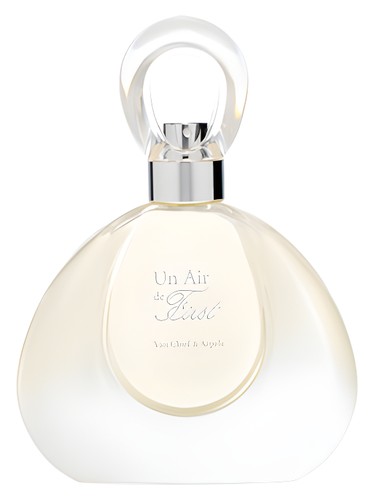
First Impressions
The opening spray of Un Air de First Van Cleef & Arpels arrives like a breath of cool morning air through an open window in May. There''s an immediate sparkle—those aldehydes lifting off the skin with a champagne-like effervescence—quickly joined by the green snap of galbanum and the tart brightness of currant buds. This isn''t the full-bodied opulence of its predecessor, the 1976 First; instead, it''s exactly what the name promises: a whisper, an air, a lighter interpretation that feels both vintage-inspired and thoroughly modern. The mandarin orange weaves through these opening moments with citrus warmth, softening what could otherwise be a sharp green-aldehydic accord into something more approachable and luminous.
The Scent Profile
As Un Air de First settles into its heart, the composition reveals its white floral soul—the dominant accord representing 100% of its character according to fragrance analysis. Jasmine arrives first, creamy and indolic yet restrained, never overwhelming. It''s accompanied by lily-of-the-valley''s delicate green sweetness, a note that bridges beautifully between the opening''s verdant energy and the softer florals to come. Rose makes its entrance with classic elegance, though it plays a supporting role rather than commanding center stage (reflected in its 41% accord presence). The unexpected hero here is white peach, which adds a subtle, skin-like softness and just enough fruit to keep the composition from feeling too formal or austere.
The green accord, registering at 93%, remains palpable throughout the heart, preventing the white florals from becoming cloying or overly sweet. This is crucial to the fragrance''s success—it maintains that airy, outdoor quality even as it blooms on the skin.
The base reveals itself gradually, with white musk providing a clean, almost soapy foundation that reinforces the fragrance''s fresh character (81% fresh accord). Vetiver adds a whisper of earthiness and structure, while amber and vanilla contribute warmth without weight. These base notes never dominate; instead, they create a soft-focus backdrop that allows the upper registers to continue singing. The drydown is subtle enough to remain office-appropriate while still providing that comforting skin-scent intimacy that makes you want to keep sniffing your wrist throughout the day.
Character & Occasion
The community data tells a clear story: this is overwhelmingly a spring fragrance (91%), with strong summer appeal (69%). Wearing it confirms this wisdom. Un Air de First captures that specific moment when winter finally breaks—when you can leave your coat at home and feel genuine warmth on your skin for the first time in months. The green-aldehydic-floral combination feels like flowering trees and fresh grass, perfectly calibrated for temperatures that call for light fabrics and open windows.
Summer claims it too, particularly for those who find heavy florals oppressive in heat. The 81% fresh accord and prominent aldehydes keep it lifted and breathable even on warmer days. Fall wearers (53%) likely reach for it on those crisp, sunny autumn mornings that feel more like spring''s echo than winter''s prelude.
The day-versus-night data is striking: 100% day, just 25% night. This isn''t a fragrance that transforms into evening glamour under artificial light. It''s unabashedly a daylight scent—perfect for the office, brunch meetings, garden parties, museum visits, or any occasion where you want to smell polished and present without making a dramatic statement. The aldehydic quality (67%) gives it enough sophistication to feel appropriate for professional settings, while the white floral softness keeps it from reading as austere or distant.
Community Verdict
With a rating of 4.18 out of 5 from 462 votes, Un Air de First has earned genuine appreciation from those who''ve experienced it. This is a solidly above-average score that suggests a fragrance delivering on its promises. It''s not achieving the cult status of some niche darlings, but nearly 500 people have taken the time to rate it favorably—a meaningful endorsement for a fragrance that doesn''t shout for attention. The rating suggests a reliable, well-crafted composition that rewards those who discover it, even if it isn''t generating breathless hype.
How It Compares
The similar fragrances list reads like a who''s who of refined white florals and aldehydic classics: Chanel N°5 Eau Premiere, Chanel No 5 Parfum, Pure Poison by Dior, Noa by Cacharel, and Organza by Givenchy. This company speaks volumes about Un Air de First''s positioning—it''s playing in the same sophisticated space as these well-established names, offering an aldehydic-floral experience for those who appreciate the genre.
Compared to Chanel N°5 Eau Premiere, Un Air de First leans greener and fresher, with less powdery heft. Against Pure Poison, it''s brighter and less narcotic. Where Noa emphasizes soapy musks, Un Air de First maintains more aldehydic sparkle. It occupies a sweet spot: classic enough for traditionalists, fresh enough for those seeking something less overtly retro.
The Bottom Line
Un Air de First Van Cleef & Arpels succeeds precisely because it doesn''t try to reinvent the wheel. Released in 2011, it takes the bones of classic aldehydic florals and renders them for contemporary tastes—lighter, greener, more wearable for daily life. The 4.18 rating reflects what this fragrance truly is: a well-executed, reliable choice for anyone seeking a sophisticated spring and summer day scent.
Who should try it? Anyone who loves the idea of classic perfumery but finds vintage formulations too heavy. Those seeking an office-appropriate white floral that won''t announce your presence before you enter a room. Spring and summer fragrance lovers who want something more interesting than generic citrus colognes but less demanding than statement florals.
Is it revolutionary? No. Is it a masterpiece for the ages? Probably not. But sometimes what you need isn''t groundbreaking—it''s simply beautiful, reliable, and exactly right for sunny mornings when you want to smell like the best version of yourself.
AI-generated editorial review