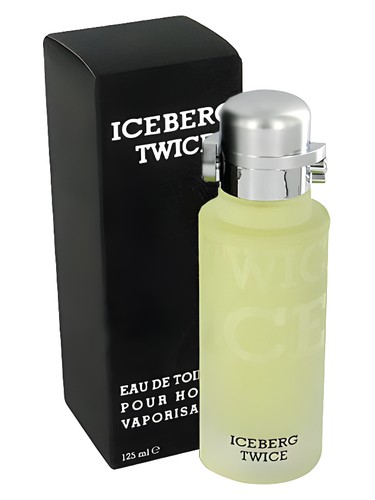
First Impressions
The first spray of Twice Pour Homme delivers a jolt of clarity—yuzu and mint collide with lemon in a burst that feels both bracingly modern and comfortingly familiar. This isn''t the polite whisper of contemporary "fresh" fragrances. It''s a full-throated declaration from 1995, when aromatic masculines didn''t apologize for their presence. The opening salvo is unapologetically green and citrus-forward, with a minty coolness that suggests alpine air cutting through morning fog. There''s an immediate sense of movement here, a kinetic energy that announces itself before settling into something more contemplative.
What strikes you within moments is the completeness of this aromatic profile—the data doesn''t lie when it registers aromatic at 100% and citrus at 97%. This is textbook aromatic masculinity, but with enough idiosyncrasy in its construction to keep you coming back to your wrist.
The Scent Profile
The yuzu-mint-lemon triumvirate that opens Twice Pour Homme creates an almost effervescent quality, bright and sharp-edged. The yuzu adds a distinctive Japanese citrus character that distinguishes this from generic lemon-lime openers, while the mint provides a cooling counterpoint that keeps the citrus from veering into cleaning-product territory. It''s fresh without being aquatic, bright without being shrill.
As the top notes begin their inevitable fade, the heart reveals unexpected complexity. Lavender anchors the composition with its classic aromatic profile, but it''s the supporting cast that makes this interesting. Tarragon brings an anise-like greenness, while caraway adds a subtle spiced bread quality that shouldn''t work but absolutely does. Cinnamon and carnation provide warmth and a faintly clove-like spiciness—that fresh spicy accord registering at 66% becomes fully apparent here. Geranium adds a touch of rosy floralcy that some might read as slightly soapy, though it never dominates.
This heart phase is where Twice Pour Homme reveals its age in the best possible way. Modern fresh fragrances often rush from opening to base with minimal development. Here, there''s a genuine middle act, a place where the fragrance actually lives for a few hours rather than just passing through.
The base surprises with its warmth and persistence. Sandalwood and vetiver provide woody structure (that 47% woody accord), while patchouli adds earthy depth. Vanilla and amber create sweetness and resinous warmth, and musk grounds everything with soft animalic presence. Curiously, lime is listed in the base rather than the top—perhaps a synthetic lime note that persists longer than natural citrus oils, providing a subtle brightness that threads through the drydown. The base doesn''t reinvent the wheel, but it does something increasingly rare: it actually lasts.
Character & Occasion
The data tells a clear story: this is a spring fragrance first and foremost (92%), with strong fall performance (78%) and respectable summer showings (68%). That versatility comes from its dual nature—fresh enough for warmth, substantial enough for cooler weather. Winter viability at 54% suggests it might feel a bit light when temperatures truly plummet, though layering could compensate.
The day/night split is unambiguous: 100% day, 42% night. This is morning coffee, not midnight cocktails. It''s the scent of productivity, of moving through your day with purpose. Think client meetings, weekend errands, Sunday brunch, afternoon gallery visits. It could technically work for evening casual situations, but it will always read as daytime-appropriate, which isn''t a criticism—just clarity of identity.
This is masculine fragrance for men who want to smell groomed and intentional without broadcasting "I''m wearing cologne." It suits the 30-to-55 demographic particularly well, though younger wearers looking for an alternative to current fresh releases might find it refreshingly direct.
Community Verdict
With a rating of 3.79 out of 5 from 679 votes, Twice Pour Homme sits comfortably in "very good" territory. It''s not a legendary masterpiece, but nearly 700 people cared enough to rate a discontinued 1990s release, which says something about its staying power in collective memory. This is the kind of rating that suggests reliability rather than revolutionary brilliance—a fragrance that delivers on its promises without trying to change your life.
The vote count itself is worth noting. For a nearly 30-year-old masculine from a brand better known for fashion than fragrance, maintaining this level of community engagement suggests genuine merit beyond nostalgia.
How It Compares
The similar fragrances list reads like a who''s who of masculine classics: L''Eau d''Issey Pour Homme, Terre d''Hermès, Drakkar Noir, Le Male. Twice Pour Homme occupies interesting middle ground in this company. It''s fresher than Drakkar Noir''s powerhouse intensity, more aromatic than Blue Jeans'' casual simplicity, less austere than Terre d''Hermès, and more traditionally masculine than Le Male''s lavender-vanilla sweetness.
The closest parallel is probably L''Eau d''Issey Pour Homme—both share that yuzu-centered freshness and aromatic structure. Where Issey Miyake''s offering went minimalist and aquatic, Iceberg''s take feels warmer and more ornamented, particularly in that spice-laden heart.
The Bottom Line
Twice Pour Homme delivers exactly what its accord profile promises: an aromatic citrus fragrance with enough warmth and complexity to transcend the limitations of "fresh cologne." At its price point—typically available for well under $50 when you can find it—it represents genuine value for anyone seeking a reliable daily wearer with vintage character.
It won''t challenge your perception of what fragrance can be. It won''t make strangers stop you for compliments. What it will do is make you smell like someone who has their life together, day after day, spring through fall. For a certain type of wearer, that''s not a limitation—it''s the entire point.
If you appreciate aromatic masculines and want something with more personality than current designer fresh releases, track down a bottle. Just know what you''re getting: a thoroughly competent, pleasantly complex aromatic citrus from an era when that category still had ambitions beyond inoffensiveness.
AI-generated editorial review