First Impressions
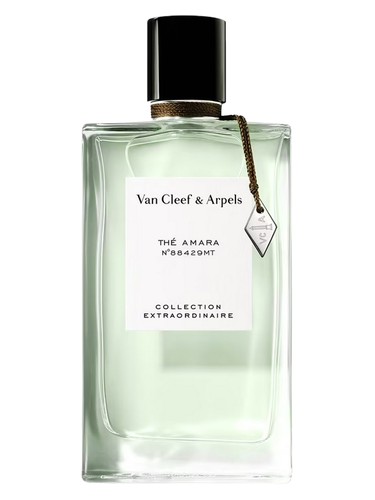
The first spray of Thé Amara is like stepping into a sun-dappled conservatory where mint-touched bergamot mingles with freshly steeped tea leaves. This isn''t the smoky, contemplative tea of winter afternoons—it''s brisk, alive, and unapologetically green. Van Cleef & Arpels, a house better known for adorning wrists than scenting them, has crafted something that feels like jewelry translated into vapor: precise, refined, and catching the light from every angle. The opening crackle of pink pepper adds just enough bite to keep the composition from drifting into polite predictability, while the mint provides a cooling counterpoint that makes you want to spray again immediately.
The Scent Profile
Thé Amara announces itself with bergamot that sparkles rather than shouts, its citrus brightness tempered by the verdant quality of tea leaves. This tea note isn''t a supporting player—it''s the star, backed by a chorus of mint that reads more herbal garden than toothpaste. The pink pepper weaves through these opening moments like a whisper of spice, creating a fresh-spicy accord that registers at 65% intensity. But it''s that overwhelming green accord, hitting a full 100%, that defines the initial experience. This is greenness in its most literal sense: dewy, vegetal, alive.
As the fragrance settles into its heart, rose emerges with surprising restraint. This isn''t a rose that demands attention; instead, it arrives like a well-mannered guest, lending a subtle floral warmth without overwhelming the tea-and-citrus foundation. Sweet pea joins the rose, adding a delicate, almost transparent sweetness that feels more like filtered sunlight than actual sugar. These florals don''t redirect the composition so much as they soften its edges, creating a middle phase that maintains the green character while introducing a whisper of femininity.
The base is where Thé Amara reveals its structure. White musk provides a clean, skin-close foundation that accounts for the 63% musky accord, while cedar and cashmeran add woody depth that grounds all that effervescent greenness. The cedar brings a pencil-shaving crispness rather than forest darkness, and the cashmeran—a synthetic molecule beloved for its soft, woody-musky character—creates a subtle envelope that keeps the fragrance from dissipating too quickly. This woody-aromatic foundation (58% each) ensures that while Thé Amara smells fresh, it''s not fleeting.
Character & Occasion
This is a fragrance that lives for warm weather. The data tells the story clearly: summer registers at 100%, with spring close behind at 95%. Fall drops dramatically to 25%, and winter barely registers at 15%. Thé Amara is designed for days when humidity and heat would make heavier fragrances unbearable. It''s the scent equivalent of linen clothing—crisp, breathable, and somehow making you feel cooler just by wearing it.
The day/night split is equally definitive: 85% day versus just 17% night. This isn''t a fragrance for candlelit dinners or evening galas. Instead, it belongs to morning meetings, lunch dates, garden parties, and weekend errands. It''s professional enough for the office yet interesting enough to feel considered. The green-citrus-fresh character makes it ideal for anyone seeking a polished presence without heavy sillage.
While marketed as feminine, Thé Amara''s crisp, green character could easily appeal to anyone who loves fresh, tea-based compositions. It''s particularly well-suited to those who find traditional florals too sweet or conventional woody fragrances too heavy.
Community Verdict
With a rating of 4.02 out of 5 based on 388 votes, Thé Amara has earned solid approval from those who''ve experienced it. This isn''t a niche darling with a tiny cult following, nor is it a mass-market crowd-pleaser with middling reviews. Instead, it occupies a sweet spot: enough votes to suggest genuine interest, and a rating high enough to indicate quality without the suspicion-inducing perfection of inflated scores. The rating suggests a fragrance that delivers on its promise—fresh, green, wearable—without necessarily revolutionizing the genre.
How It Compares
The similar fragrances list reads like a masterclass in contemporary fresh perfumery. Etat Libre d''Orange''s You Or Someone Like You offers a similar green-fresh character with hedgerow notes. Hermès'' Un Jardin Sur Le Nil brings green mango and lotus into the conversation. Nishane''s Wulóng Chá is an obvious tea-based cousin. Interestingly, Van Cleef & Arpels'' own Néroli Amara appears on the list, suggesting Thé Amara is part of a cohesive collection. The inclusion of Parfums de Marly''s Delina is more surprising, though both share a modern approach to feminine fragrance that avoids cloying sweetness.
Within this context, Thé Amara distinguishes itself through its unflinching commitment to greenness. While others in this category might balance their fresh notes with creaminess or sweetness, Thé Amara stays true to its vegetal, citrus-tea character from start to finish.
The Bottom Line
Thé Amara represents Van Cleef & Arpels'' successful translation of their jewelry house aesthetic into olfactory form: clean lines, quality materials, and understated luxury. The 4.02 rating reflects a fragrance that knows exactly what it wants to be and executes that vision with precision. This isn''t a scent that will polarize—it''s too well-mannered for that—but neither is it forgettable.
Those seeking a sophisticated warm-weather fragrance that reads as fresh rather than fruity, green rather than overtly floral, should absolutely sample this. It''s particularly appealing to anyone tired of sweet berry-vanilla compositions or looking for an alternative to aquatic freshness. While the concentration remains unknown, the longevity seems sufficient for a daytime scent that''s meant to refresh rather than announce.
The real question isn''t whether Thé Amara is good—the rating confirms it is—but whether its particular brand of green freshness speaks to you. If the idea of tea leaves, bergamot, and mint woven together in a jeweler''s precise hand appeals, this is well worth exploring.
AI-generated editorial review