First Impressions
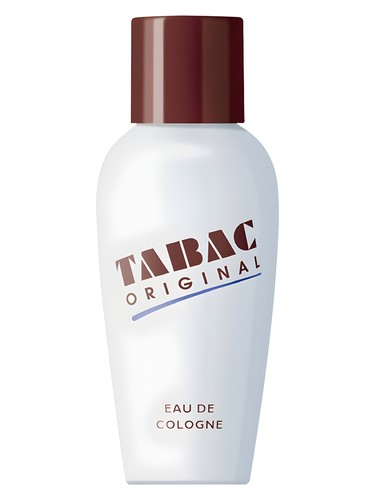
The first spray of Tabac is a time machine disguised as a fragrance. That initial burst carries the crisp snap of aldehydes—sharp, clean, almost soapy—immediately softened by lavender''s herbal embrace and a citrus trio of lemon, bergamot, and neroli. This isn''t the tentative opening of a modern fragrance designed to offend no one. This is 1959 speaking with full-throated confidence, when men''s fragrances weren''t afraid to announce themselves with a flourish of chemistry and classic barbershop bravado. There''s something wonderfully unapologetic about it, a quality that explains why this scent has survived six decades without feeling the need to reinvent itself for every passing trend.
The Scent Profile
Tabac''s architecture reveals itself in distinct movements, each building upon the last with classical precision. Those aldehydes that open the composition aren''t merely a retro flourish—they function as spotlights, illuminating the lavender and citrus notes with a sparkling, almost effervescent quality. The neroli adds a subtle bitterness that prevents the opening from becoming too sweet, while bergamot and lemon provide the kind of brightness that wakes you up as surely as a cold splash of water.
As the top notes settle—and they do settle rather than disappear—the heart emerges with unexpected complexity. Carnation arrives first, spicy and almost clove-like, weaving through sandalwood''s creamy smoothness. Then come the surprises: pine needles adding a forest-floor freshness, rose and jasmine contributing floral depth without feminizing the composition, and orris root lending that peculiar powdery-earthy character that reads as vintage refinement. This heart is where Tabac earns its 73% floral accord rating, yet never once does it feel anything but decidedly masculine. It''s the kind of skilled balance that modern perfumery, with all its focus-grouped safety, struggles to achieve.
The base is where Tabac''s namesake finally reveals itself. Tobacco—not the sweet, honeyed tobacco of contemporary gourmands, but something drier, leafier, almost leathery—anchors the entire composition. Oakmoss brings its characteristic woody-earthy depth, that hallmark of classic masculine fragrance that regulatory restrictions have made increasingly rare. Musk adds skin-like warmth, while amber, tonka bean, and vanilla create a subtle sweetness that never crosses into cloying territory. This foundation explains the 97% woody accord and provides the longevity that keeps Tabac clinging to skin and fabric hours after application.
Character & Occasion
The community data tells a clear story: Tabac is fundamentally a cool-weather daytime companion. Its highest seasonal rating comes in fall at 92%, followed by winter at 78% and spring at 76%. Summer, at 41%, is where this fragrance struggles—understandable given its powdery warmth and substantial presence. This isn''t a fragrance that disappears politely in the heat.
The day/night split is even more decisive: 100% day versus just 38% night. Tabac has no interest in being your date-night seduction weapon. Instead, it excels as the olfactory equivalent of a well-cut tweed jacket—appropriate for the office, lunch meetings, weekend errands, or Sunday services. It projects competence, cleanliness, and a certain old-school propriety that feels increasingly rare in a landscape dominated by sweet, synthetic crowd-pleasers.
This is a fragrance for men who appreciate tradition without being enslaved by it, who see value in longevity—both in their fragrances and their approach to style. It suits the office as well as it does the countryside, and it has absolutely no interest in smelling like everyone else in the room.
Community Verdict
With a rating of 4.05 out of 5 based on 937 votes, Tabac has earned genuine respect. This isn''t a niche darling with 30 reviews from devotees, nor is it a mass-market giant with inflated ratings from casual users. Nearly a thousand people have weighed in, and the consensus is clear: this is a well-crafted, dependable fragrance that does exactly what it sets out to do. That rating, solid but not stratospheric, also suggests honesty—people recognize this isn''t for everyone, that its old-fashioned character won''t appeal to those raised on sweet ambers and fresh aquatics. But for those it does appeal to, the devotion runs deep.
How It Compares
Tabac exists in distinguished company. Its similarity to Guerlain''s Vetiver and Habit Rouge Eau de Toilette places it firmly in the classical French masculine tradition. The connections to Azzaro pour Homme and Dior''s Eau Sauvage further cement its position in that golden era of men''s fragrance—roughly 1959 to 1978—when aromatic, citrus-led compositions with substantial bases defined masculine elegance. The link to Drakkar Noir, though that came much later in 1982, shows Tabac''s influence on the aromatic fougère category.
What distinguishes Tabac from these cousins is its particular emphasis on aldehydes and that powdery, barbershop quality. Where Eau Sauvage goes greener and Azzaro pour Homme leans more herbal, Tabac stakes out warmer, more traditionally comforting territory.
The Bottom Line
Tabac isn''t trying to be revolutionary, and that''s precisely its strength. For over sixty years, it''s offered the same proposition: quality ingredients composed with skill, presenting a vision of masculinity that values grooming, tradition, and restraint. At its price point—generally quite affordable for the performance it delivers—it represents exceptional value for anyone seeking an alternative to contemporary sweet-and-fresh monotony.
Should you try it? If you''ve never experienced a true vintage-style aromatic, absolutely. If you appreciate barbershop scents but want something with more depth than average, certainly. If your frame of reference consists entirely of modern releases, approach with an open mind—this will smell different from nearly everything currently on department store shelves, and that difference might initially read as "old." Give it time. What seems dated on first spray often reveals itself as timeless with patience.
AI-generated editorial review