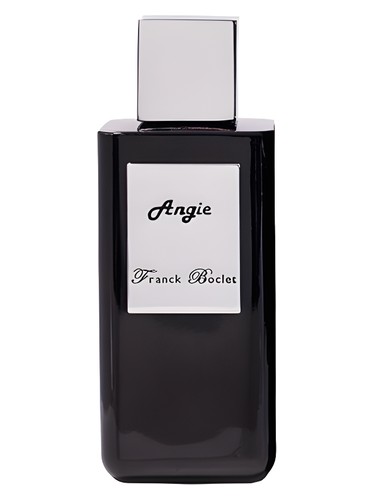
First Impressions
The first spray of Sugar is nothing short of audacious. Marshmallow billows forth immediately, joined by honey''s golden viscosity and a whisper of bergamot attempting to cut through the sweetness. This is not a fragrance that tiptoes into a room—it announces itself with the confidence of someone who knows exactly what they are and makes no apologies for it. The coconut adds a creamy, tropical dimension that prevents the opening from becoming a one-note sugar rush, while cassis brings a dark berry tartness that provides the only real counterpoint to the confectionery onslaught. Within seconds, you know whether this fragrance speaks your language or not.
The Scent Profile
Sugar''s evolution is less about dramatic transformation and more about layering sweetness upon sweetness in increasingly complex ways. The top notes establish the framework: that prominent marshmallow accord creates a fluffy, soft-focus effect, while honey adds depth and richness. The bergamot feels almost apologetic here, a citrus whisper drowned out by the louder voices in the composition.
As the fragrance settles into its heart, caramel and vanilla take center stage alongside the marshmallow that refuses to fade. This is where Sugar reveals its true gourmand soul. Pear and peach add a syrupy fruit dimension, their juiciness melding with the caramel in a way that recalls high-end fruit preserves. Jasmine makes an appearance, but don''t expect traditional white floral elegance—instead, it''s enveloped in sugar, lending a subtle indolic warmth rather than any sharp floral brightness.
The base notes bring an unexpected powdery sophistication. Orange blossom finally allows some floral character to emerge, though it remains firmly within the sweet framework. White musk provides a soft, clean foundation that prevents the composition from becoming cloying, while violet contributes to that distinctive powdery quality that registers at 54% in the accord breakdown. Raspberry appears late in the game, adding a jammy, slightly tart fruitiness that echoes the cassis from the opening. Throughout its development, Sugar maintains its primary identity—sweetness registers at 100% of the main accords, and the fragrance never lets you forget it.
Character & Occasion
This is unequivocally a cold-weather companion. With perfect scores for both winter and fall wear (100% and 99% respectively), Sugar finds its natural habitat when temperatures drop and the air turns crisp. The heavy sweetness that might feel suffocating in July heat becomes comforting and cozy when paired with chunky sweaters and boots. Spring wearability drops to 54%, and summer to a mere 31%—sensible assessments given the fragrance''s density and projection.
Interestingly, Sugar leans more toward daytime wear (80%) than evening (62%), despite its obvious glamour. This speaks to its playful, almost nostalgic character—it''s the olfactory equivalent of treating yourself to an elaborate dessert at a café rather than a formal dinner party. The powdery accord helps it maintain appropriateness for professional settings, softening what could otherwise read as too youthful or casual.
The target audience for Sugar is someone who embraces femininity without restraint, who sees sweetness as strength rather than weakness. This isn''t a fragrance for the tentative or those seeking universal approval. It''s for the woman who orders dessert first and wears pink unapologetically.
Community Verdict
With a rating of 3.71 out of 5 from 900 voters, Sugar sits in interesting territory. This is a fragrance that inspires strong opinions—the number of votes indicates significant community interest, but the middling rating suggests polarization. Some clearly adore its unabashed sweetness, while others find it too much. This is neither a universally beloved classic nor a widely panned failure, but rather a fragrance that knows its audience and serves them well, even if that audience is selective.
The substantial vote count (900 ratings) indicates this is no obscure niche offering, but rather a fragrance that has found its way onto many wrists and generated considerable discussion. That it maintains a score above 3.5 despite such a divisive profile suggests that those who love it, truly love it.
How It Compares
Sugar exists in the same ultra-sweet gourmand territory as some of perfumery''s most iconic—and controversial—creations. The comparison to Kilian''s Love Don''t Be Shy is apt; both traffic in marshmallow and unapologetic sweetness. Mugler''s Angel, the fragrance that arguably created the modern gourmand category, shares Sugar''s willingness to push boundaries, though Angel''s patchouli base gives it an edge that Sugar lacks.
La Vie Est Belle and Hypnotic Poison represent slightly more restrained approaches to sweetness, with greater complexity and darker undertones. Narciso Rodriguez For Her, meanwhile, offers a muskier, more sophisticated sweetness. Within this lineup, Sugar positions itself as perhaps the most literal interpretation of its name—this is sweetness without the safety net of complexity or contrast that its comparisons often employ.
The Bottom Line
Sugar by Franck Boclet is exactly what it promises to be, which is both its greatest strength and its primary limitation. At 3.71 out of 5, it''s a fragrance that has found its audience without attempting to please everyone—an increasingly rare quality in mainstream perfumery.
This is not a versatile wardrobe staple or a safe blind buy. It''s a statement piece for those specific moods and moments when only something unabashedly, almost defiantly sweet will do. The powdery and fruity accords prevent it from being entirely one-dimensional, but make no mistake: sweetness is the story here.
Who should try Sugar? Anyone who has ever been told their taste is "too much" and took it as a compliment. Those who find most gourmands too restrained. Anyone seeking a winter comfort scent that feels like a warm hug made of cotton candy. If you''ve loved and finished bottles of Love Don''t Be Shy or Angel, Sugar deserves a place on your sampling list. Just perhaps not in July.
AI-generated editorial review