First Impressions
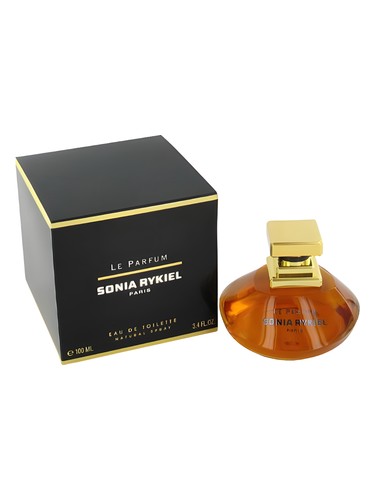
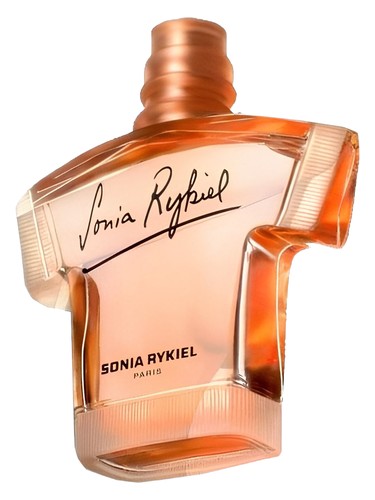
Sonia Rykiel''s 1997 eponymous fragrance announces itself with a brazen contradiction: tropical fruit colliding headfirst with heady florals. The opening spray delivers an immediate rush of pineapple and blackcurrant, their jammy sweetness tempered by the citric brightness of mandarin orange. Yet this isn''t a simple fruity cocktail—passion flower and ylang-ylang weave through the composition from the first moment, lending an almost narcotic floral weight that hints at the woody-amber foundation waiting beneath. It''s a bold statement, unapologetically maximalist in the way many late-nineties fragrances dared to be, before the minimalist wave reshaped perfumery''s landscape.
The Scent Profile
The evolution of Sonia Rykiel unfolds like a Russian nesting doll, each layer revealing unexpected complexity. Those initial fruit notes—pineapple''s sun-ripened juiciness and blackcurrant''s tart edge—dominate for perhaps fifteen minutes before the heart begins its assertive takeover. Here, the fragrance reveals its true character: a woody accord that registers at full intensity (100% in its composition profile) begins to emerge, supported by an ambitious bouquet of florals.
The heart is where Sonia Rykiel either captivates or overwhelms, depending on your tolerance for abundance. Patchouli anchors this phase with its earthy, slightly medicinal presence, while rosemary adds an unexpected herbal sharpness. Iris contributes a powdery elegance, jasmine its indolic richness, rose its classic femininity. Violet, honeysuckle, and lily-of-the-valley round out this floral symphony, though they never quite achieve individual distinction—instead melding into a dense, layered sweetness that the fruity top notes (95% fruity accord) continue to influence.
The base is where Sonia Rykiel finds its most comfortable expression. Benzoin''s balsamic warmth melds seamlessly with vanilla and tonka bean, creating that sweet-amber foundation (87% amber, 76% vanilla, 78% sweet) that dominated feminine perfumery in the era. Sandalwood provides creamy texture, while amber and cedar reinforce the woody character that defines the entire composition. This is a warm, enveloping finish—the kind that leaves a cozy trail on skin and fabric alike, with a 61% warm spicy accord that adds just enough complexity to prevent the sweetness from becoming cloying.
Character & Occasion
Sonia Rykiel positions itself as an all-season fragrance, and the data supports this versatility. The woody-fruity-amber structure has enough richness for cooler months while the fruit and florals prevent it from feeling too heavy in warmer weather. This is a perfume that adapts to your body chemistry and environment rather than demanding specific conditions.
Interestingly, the day/night data shows zero percentage for both categories, suggesting the fragrance occupies a flexible middle ground—neither a bright office-appropriate scent nor an exclusively evening affair. It''s a perfume for the woman who wants presence without adhering to conventional timing rules. The 4.06/5 rating from 706 voters suggests technical competence and broad appeal, even if the composition doesn''t inspire passionate devotion.
Community Verdict
Here''s where the narrative turns decidedly sobering. Despite its respectable overall rating, the Reddit fragrance community''s sentiment toward Sonia Rykiel registers at a dismal 2.5 out of 10—a striking disconnect that tells its own story. The consensus, drawn from 22 community opinions, is overwhelmingly negative, though not necessarily because the fragrance itself is poorly composed.
The primary grievance centers on practicality: Sonia Rykiel has been discontinued, making it increasingly difficult to source. When bottles do surface on the secondary market, prices have been driven up significantly—a phenomenon that would be justified if the fragrance inspired cult devotion, but according to community members, it doesn''t. Those who managed to sample it found it unmemorable, "not compelling enough for users to commit to full bottles." This is perhaps the most damning critique—not that it''s bad, but that it''s forgettable in a market saturated with worthy alternatives.
The fragrance appears largely absent from community discussions, suggesting it hasn''t achieved the nostalgic cult status that sometimes resurrects discontinued scents. There''s no groundswell of longing, no passionate defenders lamenting its absence from shelves.
How It Compares
The similar fragrances list reads like a who''s who of powerhouse feminines: Tom Ford''s Black Orchid, Dior''s Poison and Dune, Cacharel''s LouLou, and Chanel''s Coco Eau de Parfum. These comparisons place Sonia Rykiel in prestigious company—bold, statement fragrances with woody-amber-floral structures. Yet where these counterparts have maintained their market presence (or achieved legendary discontinued status worth the hunt), Sonia Rykiel occupies an awkward middle space: sophisticated enough to draw comparisons to icons, but not distinctive enough to carve out its own legacy.
The Bottom Line
Sonia Rykiel (1997) is a technically proficient woody-fruity-amber fragrance that demonstrates why technical competence alone doesn''t guarantee lasting impact. Its 4.06 rating reflects a well-constructed perfume that delivers on its promises—complex fruit opening, rich floral heart, comforting sweet-woody base. For someone encountering it without context, it would likely prove pleasant, wearable, and versatile across seasons.
But here''s the rub: in today''s market, pleasant and wearable aren''t enough to justify hunting down discontinued bottles at inflated prices. The community''s tepid response suggests that even those who appreciate the composition wouldn''t necessarily mourn its absence when faced with the rich array of available alternatives.
Should you try it? If you stumble across a reasonably priced bottle and you''re drawn to late-nineties maximalism—that specific era of perfumery when more was decidedly more—then certainly sample it. But actively seeking it out on the secondary market? The community data suggests your time and money would be better spent on its still-available spiritual siblings. Sometimes a fragrance''s discontinuation reflects market realities rather than tragic oversight. Sonia Rykiel appears to be the former—a competent creation that simply couldn''t justify its shelf space in an increasingly competitive landscape.
AI-generated editorial review