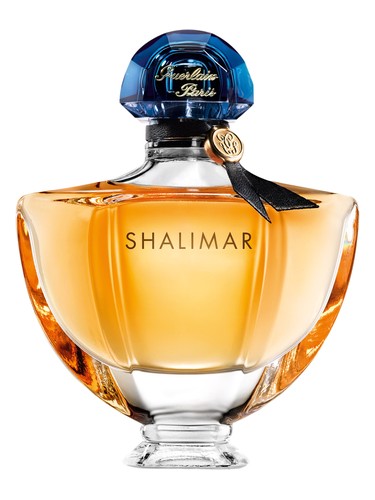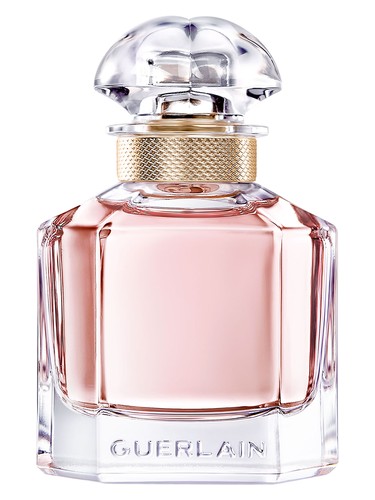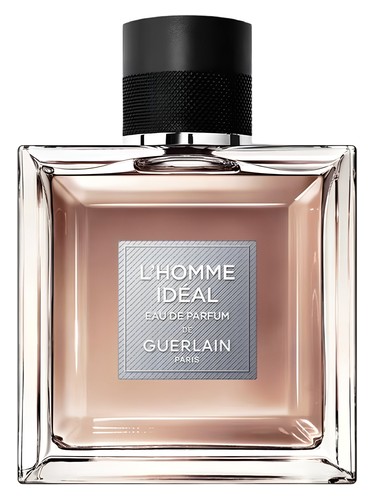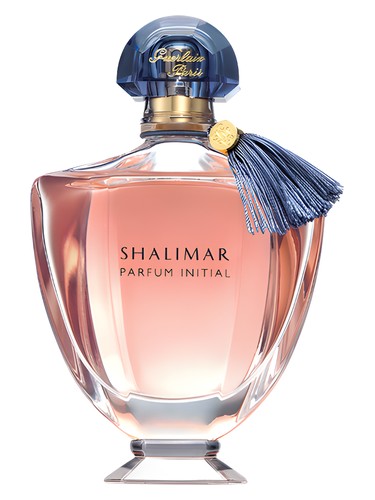
First Impressions
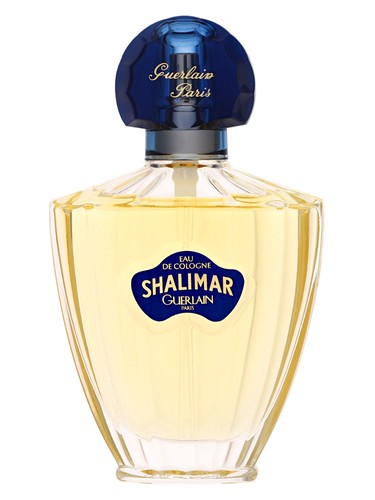
The first spray of Shalimar Eau de Cologne is like watching dawn break over the Taj Mahal—the monument that inspired its namesake. Where you might expect the opulent, resinous embrace of the classic Shalimar, this 1925 masculine interpretation opens with a clarion call of citrus. Bergamot, lemon, and mandarin orange burst forth with bright confidence, but there''s something unusual lurking beneath: cedar, woody and dry, already hinting that this isn''t just another belle époque cologne destined to evaporate within the hour. This is Guerlain playing chess while others were playing checkers, creating a fragrance that would earn a remarkable 4.43 out of 5 stars nearly a century later.
The opening feels both vintage and startlingly modern—a quality that explains why this concentration has maintained such devoted admirers across generations.
The Scent Profile
The architecture of Shalimar Eau de Cologne reveals Guerlain''s mastery of the perfumer''s paradox: how to create something ostensibly lighter that somehow carries the DNA of its more concentrated siblings while charting its own course entirely.
Those opening citrus notes—bergamot, lemon, and mandarin orange—are joined by cedar in an unusual top accord that immediately sets this apart from typical colognes of its era. The cedar provides a dry, pencil-shaving quality that keeps the citrus from veering into simple freshness. It''s intelligent construction, a bridge between the bright opening and what follows.
The heart is where things get genuinely fascinating. Iris and vetiver form the backbone, creating an earthy, slightly rooty character that feels decidedly masculine by 1925 standards. But Guerlain being Guerlain, jasmine and rose make appearances too, softening the edges without feminizing the composition. Patchouli adds depth and a touch of that bohemian character that was so fashionable in the Art Deco period. This heart section reads as an olfactory essay on balance—nothing dominates, everything serves the whole.
The base is where you recognize the Shalimar bloodline. Vanilla arrives, but not the gourmand vanilla of later decades—this is vanilla as it was originally used, as a fixative and subtle sweetener. Leather and incense provide structure and solemnity, while opoponax, benzoin, and Peru balsam create that signature balsamic richness. Sandalwood, civet, and musk round out a base that''s unmistakably related to the Shalimar you know, yet rendered in a different register entirely. The amber accord, rated at 100% dominance, ultimately envelops everything, but it''s an amber filtered through citrus and wood rather than pure opulence.
Character & Occasion
The data tells a compelling story: this is primarily a fall fragrance (100%), with strong winter credentials (85%), but maintains surprising wearability into spring (68%) and even summer (56%). That''s remarkable versatility for something with such a dominant amber profile, and it speaks to that intelligent citrus-and-cedar opening that keeps things from becoming too heavy.
The day/night split is equally revealing—94% day appropriate versus 75% night. This is the Shalimar you wear to the office, to brunch, to an afternoon gallery opening. Where the Eau de Parfum demands evening dress and occasion, the Eau de Cologne moves through the world with ease and confidence. It''s formal enough for important moments but relaxed enough for everyday wear.
While marketed as masculine in 1925, modern wearers will find this refreshingly unbound by gender conventions. The combination of citrus brightness, iris elegance, and that quintessential Guerlain vanilla-amber base creates something that simply smells expensive and well-composed, regardless of who''s wearing it.
Community Verdict
Here we encounter an interesting silence. Shalimar Eau de Cologne doesn''t appear in the community discussions analyzed—a testament perhaps to its status as something of a cult secret within the Guerlain lineup. While the modern fragrance discourse focuses heavily on newer releases and viral sensations, this 1925 formulation operates in a different sphere entirely.
That 4.43 rating from 1,384 votes tells its own story, though. This is a fragrance with serious devotees who''ve taken the time to rate it highly. The lack of community chatter might actually work in its favor—it remains unspoiled by hype cycles and trend discourse, discovered instead by those who seek it out intentionally.
How It Compares
The similar fragrances list reads like a who''s who of perfumery royalty: Shalimar Eau de Parfum (naturally), Obsession by Calvin Klein, Dune by Dior, Coco Eau de Parfum by Chanel, and the original 1977 Opium by Yves Saint Laurent. What connects these titans? They''re all amber-based orientals with serious presence and vintage pedigree.
Where Shalimar Eau de Cologne distinguishes itself is in that unusual top-heaviness—the way it leads with citrus and wood rather than immediately telegraphing its oriental nature. While Obsession and Opium announce themselves from across the room, and even Coco opens with baroque richness, this Eau de Cologne takes a more measured approach. It shares Dune''s contemplative quality, that sense of gazing outward rather than demanding attention.
The Bottom Line
Shalimar Eau de Cologne occupies a fascinating position in perfume history: it''s the road less traveled in one of perfumery''s most famous families. That 4.43 rating from nearly 1,400 voters suggests it deserves far more attention than it receives in contemporary discussions.
This is essential wearing for anyone interested in how great perfume houses thought about concentration and gender a century ago. It''s also remarkably wearable for modern life—that high daytime score and cross-seasonal versatility mean you''ll actually wear it rather than saving it for special occasions.
If you''re drawn to sophisticated amber fragrances but find many modern orientals too sweet or too loud, this deserves your attention. If you love vintage Guerlain but want something less formal than Habit Rouge or less powdery than Jicky, start here. And if you simply appreciate perfume as historical document and wearable art simultaneously, Shalimar Eau de Cologne is a masterclass waiting in a bottle.
Nearly a hundred years on, it still has something to teach us about elegance, restraint, and the kind of quality that transcends trend.
AI-generated editorial review