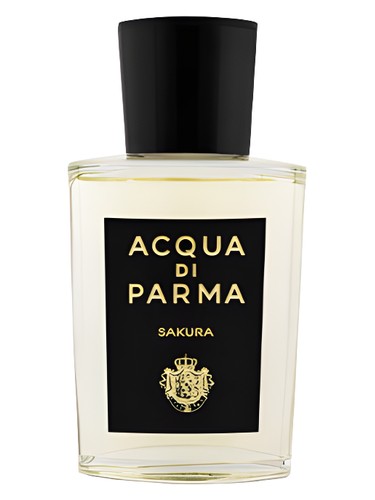
First Impressions
The first spray of Sakura Eau de Parfum reveals Acqua di Parma''s fascinating cultural exchange—an Italian house''s reverent interpretation of Japan''s most iconic bloom. Rather than the expected powdery sweetness, you''re greeted with brilliant sunshine: Calabrian bergamot and yellow mandarin creating a luminous citrus opening that feels quintessentially Italian. Pink pepper adds a delicate sparkle, a gentle effervescence that prepares the canvas for what''s to come. This is cherry blossom reimagined through the prism of Mediterranean light, and that collision of influences makes for an intriguing introduction.
The initial moments feel almost unexpected for a fragrance named after Japan''s beloved sakura. There''s no immediate floral crush, no sugary almond note. Instead, you encounter something more nuanced—a bright, clean freshness that speaks to Acqua di Parma''s heritage while nodding respectfully toward Eastern aesthetics.
The Scent Profile
The opening act belongs entirely to the citrus duo of Calabrian bergamot and yellow mandarin, supported by the subtle heat of pink pepper. This triumvirate creates a sparkling introduction that lasts longer than you might expect from typical citrus notes. The bergamot brings its characteristic slightly green, Earl Grey tea quality, while the mandarin softens the edges with a sweeter, sun-warmed character. The pink pepper never dominates but adds dimension—a gentle spiciness that keeps the opening from veering into simple fruit cologne territory.
As the fragrance settles, the heart reveals itself with admirable restraint. Cherry blossom emerges not as a singular star but as part of a delicate floral conversation with jasmine sambac. This is where Sakura finds its identity. The cherry blossom note presents itself as sheer and slightly watery, capturing that elusive quality of actual sakura—more about the idea of sweetness than overt sugariness. The jasmine sambac adds a white floral creaminess and subtle indolic depth that prevents the composition from becoming too ethereal or transparent.
What''s particularly skillful here is the balance: the cherry blossom never overwhelms, the jasmine never takes center stage. They exist in harmony, creating a soft floral veil that feels contemporary and wearable rather than heavy or old-fashioned.
The base is remarkably simple—just musk—but it''s precisely what this composition needs. Clean, soft, and skin-like, the musk provides a gentle landing that allows the florals to fade gracefully without introducing competing woody or ambery elements. This restraint is both the fragrance''s strength and, for some, potentially its limitation. Those seeking complexity and dramatic evolution may find the dry-down too straightforward, but it serves the overall vision of an airy, transparent interpretation of spring.
Character & Occasion
Sakura positions itself as a true all-season fragrance, and the data supports this claim. The citrus-forward opening makes it refreshing enough for warm weather, while the floral-musky heart provides enough substance for cooler days. This versatility is part of its charm—it''s a fragrance that adapts rather than dominates.
The dominant floral accord (registering at 100%) combined with significant citrus (64%) and musky (54%) elements creates something that feels perpetually fresh. The modest fruity presence (32%) adds just enough sweetness to keep it approachable without veering into gourmand territory.
This is decidedly a daytime fragrance. The lightness, the clean musk base, and the bright opening all point toward morning meetings, weekend brunches, and spring afternoon strolls. It''s not a fragrance that announces your presence across a room; rather, it creates an intimate, personal scent cloud—the kind that makes people lean in slightly and ask what you''re wearing.
The feminine designation fits the composition''s delicate character, though the cleanliness and citrus brightness could certainly appeal to those who appreciate unisex freshness. It''s particularly well-suited to those who want to smell polished and put-together without the weight of traditional floral perfumes.
Community Verdict
With a rating of 3.97 out of 5 from 504 votes, Sakura has earned solid appreciation from the fragrance community. This rating suggests a well-executed composition that delivers on its promise, though perhaps without the revolutionary impact that pushes fragrances into the 4.5+ stratosphere.
The vote count indicates genuine interest and trial—over 500 people have experienced and evaluated this scent, giving the rating statistical weight. This isn''t a niche obscurity with only a handful of devotees, nor is it a blockbuster with thousands of reviews. It occupies that interesting middle ground: a fragrance with a clear identity and a dedicated audience who appreciate its particular take on floral freshness.
How It Compares
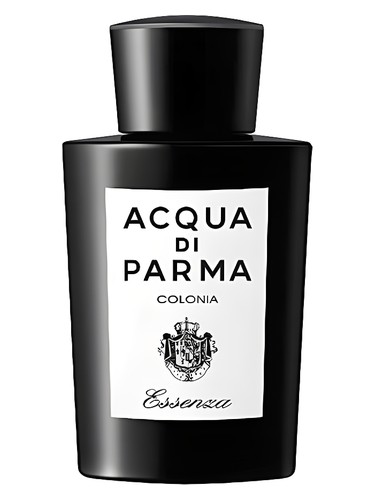
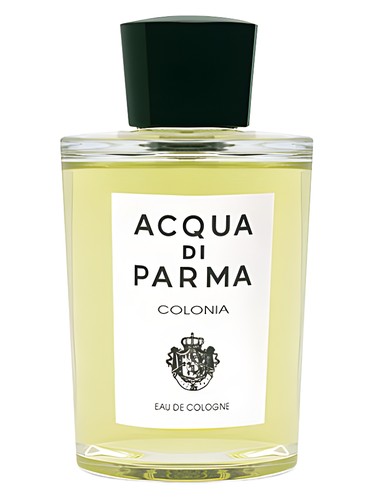
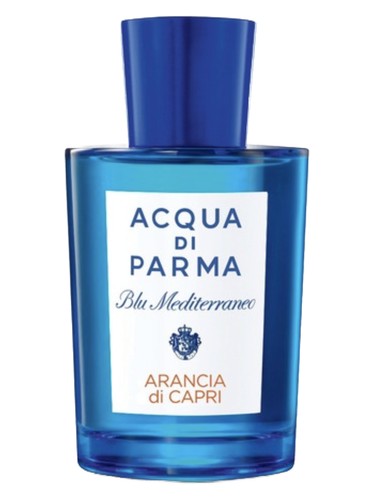
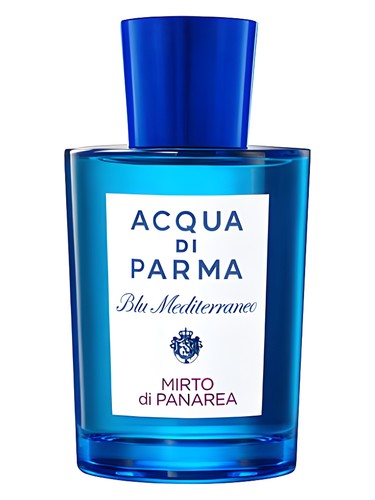
The similar fragrances list reveals Sakura''s position in the fresh, elegant category. Hermès'' Un Jardin Sur Le Nil shares that clean, green freshness, while Acqua di Parma''s own Fico di Amalfi demonstrates the brand''s facility with Mediterranean-inspired freshness. More surprising is the mention of Creed Aventus and By Kilian''s Love Don''t Be Shy—suggesting that Sakura appeals to those who appreciate quality composition across different scent families. Jo Malone''s Wood Sage & Sea Salt comparison points to shared sensibilities around understated elegance and wearability.
Where Sakura distinguishes itself is in its specific cherry blossom focus filtered through an Italian lens—a cultural translation that sets it apart from more literal Japanese cherry blossom interpretations or purely Mediterranean citrus florals.
The Bottom Line
Sakura Eau de Parfum represents Acqua di Parma doing what they do best: creating polished, wearable fragrances with quality ingredients and thoughtful construction. At nearly a 4/5 rating, it''s clearly succeeding with its target audience—those who want a sophisticated floral scent that doesn''t announce itself aggressively.
The main consideration is whether you prefer fragrances with dramatic development and complexity or those with elegant simplicity. Sakura firmly occupies the latter camp. The straightforward base and linear development won''t satisfy those seeking constantly evolving compositions, but for anyone wanting a reliable, versatile floral that brings joy without demanding attention, this delivers.
Consider trying Sakura if you appreciate clean florals, want something appropriate for professional settings, or find yourself drawn to that intersection of Italian citrus brightness and delicate Asian florals. It''s a fragrance that whispers rather than shouts—and sometimes, that''s exactly what''s needed.
AI-generated editorial review