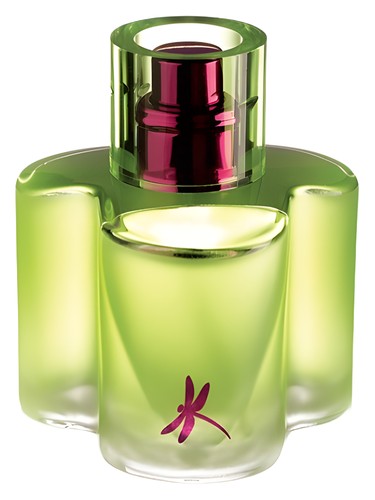
First Impressions
The opening spray of Saga tells you immediately that this isn''t your typical budget-brand creation. Black currant bursts forth with that distinctive cassis tang—sharp, almost feral, tempered by the gentler embrace of rose petals. It''s a combination that feels both vintage and modern, like finding a well-preserved piece of costume jewelry that could pass for the real thing. There''s an unapologetic fruitiness here, the kind that dominated the mid-2000s fragrance landscape, yet something in the construction suggests more ambition than the price tag might imply.
The Scent Profile
Saga opens with its dual personality on full display: black currant and rose creating an immediate tension between tart fruit and romantic florals. The cassis note is prominent—this is emphatically a fruity fragrance, registering at maximum intensity in its accord profile. But it''s not the candy-sweet interpretation of fruit; there''s a deeper, slightly jammy quality that hints at the complexity to come.
As the fragrance settles into its heart, the composition reveals its true character. Peach and plum join the chorus of fruit, softening the sharpness of the opening while an undefined bouquet of floral notes weaves through. This is where Saga becomes interesting—the fruit doesn''t simply evaporate to reveal flowers. Instead, they coexist in a kind of atmospheric haze, the peach adding a velvety texture while the plum contributes a wine-dark richness. The florals remain impressionistic rather than distinct, supporting players in a fruit-forward narrative.
The base is where Saga earns its woody credentials, scoring an impressive 95% in that accord. Patchouli takes center stage here—and at 72% intensity, it''s a force to be reckoned with. This isn''t the head-shop patchouli of the 1970s, but rather a smoother, more integrated interpretation that provides earthy depth without overwhelming. Sandalwood adds its creamy warmth, while musk grounds everything with skin-like intimacy. The progression creates a fragrance that begins bright and playful but dries down to something genuinely sophisticated, with a powdery finish (38% accord strength) that whispers rather than shouts.
Character & Occasion
Community data reveals Saga as overwhelmingly a daytime fragrance, registering at 100% day wear versus just 21% for evening occasions. This makes perfect sense—the bright fruit opening and moderate projection make it office-appropriate and crowd-friendly. You won''t clear a room or dominate a meeting, but you''ll leave a pleasant trail that feels approachable rather than intimidating.
Seasonally, Saga shows remarkable versatility, though with clear preferences. Spring emerges as its ideal habitat at 84%, where the fruit-floral combination feels most natural against warming weather and blooming gardens. Summer follows at 61%—the brightness works in heat, though the woody base might feel slightly heavy on the most sweltering days. Fall claims 52%, where that patchouli foundation finds its moment to shine against crisp air. Winter trails at 29%, suggesting the fragrance may lack the heft and richness cold weather demands.
This is a fragrance for someone who wants presence without pretension. It suits the woman who appreciates quality but doesn''t need a luxury label to feel confident. The fruity-woody profile skews slightly mature—this isn''t teenager territory—but it''s far from matronly. Think thirty-something professional who wants something reliable and pleasant rather than groundbreaking.
Community Verdict
With 437 votes landing at 3.47 out of 5, Saga occupies interesting territory. This isn''t a cult favorite or a universally beloved classic, but it''s solidly above average. The rating suggests a fragrance that satisfies more often than it disappoints—competent, likeable, occasionally surprising, but not without its limitations. The substantial voting pool indicates decent market penetration for an Oriflame release, and the score suggests most wearers find it delivers on its promises without transcending them.
How It Compares
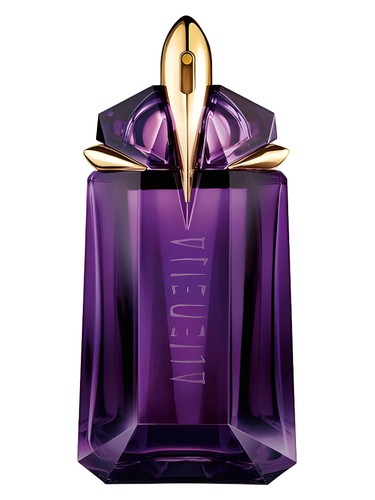
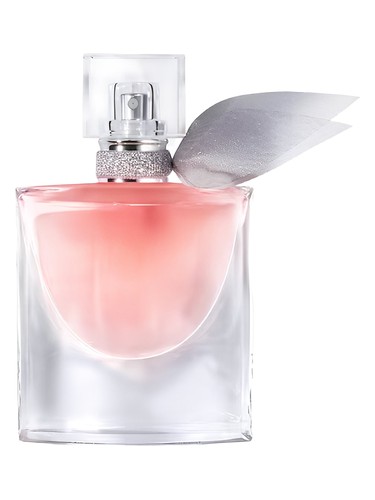
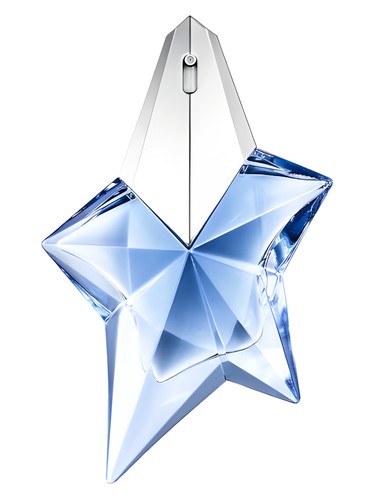
The comparison list reads like a who''s who of fruity-woody powerhouses, which is both flattering and revealing. Black Orchid by Tom Ford and Angel by Mugler are fragrance legends—complex, divisive, and expensive. That Saga shares DNA with these compositions speaks to its ambition. La Vie Est Belle represents the modern fruity-sweet mainstream success story. The inclusion of fellow Oriflame fragrances Volare and Freya suggests a house style, a consistent aesthetic approach to this category.
Where Saga distinguishes itself is in accessibility—both in price and wearability. It takes the fruity-patchouli blueprint that Tom Ford elevated to art and Angel turned into a cultural phenomenon, then renders it in a more subdued, everyday-friendly register. It won''t have Black Orchid''s leather-dark intensity or Angel''s cotton-candy bombast, but for daytime wear, that''s arguably a strength.
The Bottom Line
Saga represents the best of what accessible fragrance can achieve: a well-constructed, thoughtfully balanced scent that doesn''t apologize for its price point. The 3.47 rating reflects a fragrance that knows what it is—a pleasant, wearable fruity-woody composition that serves its purpose admirably without aspiring to be more than it is.
The value proposition here is strong. You''re getting a complex accord structure, genuine evolution from top to base, and enough sophistication in that patchouli-sandalwood foundation to distinguish it from purely synthetic fruit bombs. It won''t replace your special-occasion signature scent, but as a daily driver—particularly for spring and summer—it''s a smart choice.
Who should try it? Anyone curious about the fruity-woody genre who doesn''t want to commit luxury prices. Anyone who loved the mid-2000s fruit explosion but wishes it came with better bones. Anyone who needs a reliable, compliment-generating fragrance for professional settings. Saga won''t change your life, but it might just improve your morning routine—and sometimes, that''s exactly enough.
AI-generated editorial review