First Impressions
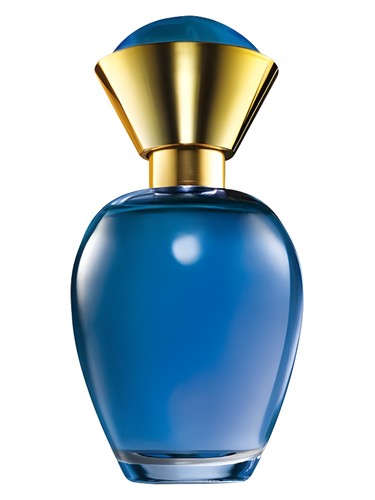
The first spray of Rare Sapphires delivers an immediate contradiction—a bright burst of grapefruit citrus cut through with the creamy, green sweetness of fig. It''s an opening that doesn''t announce itself with typical feminine flourishes of berries or vanilla. Instead, there''s an assertive woody character present from the very beginning, grounding what could have been a purely fruity introduction. This is a fragrance that declares its intentions immediately: it will be green, substantial, and unapologetically structured around a dominant 100% woody accord that most perfumes reserve for their masculine counterparts.
The initial impression walks a fascinating line between approachable and unexpected. The fig note—appearing both in the top and base—creates a through-line that ties the composition together, offering a lactonic softness (registering at 20% in the accord profile) that prevents the woody elements from becoming austere. This is the scent of a woman who appreciates depth over sparkle, substance over ephemeral sweetness.
The Scent Profile
The evolution of Rare Sapphires unfolds as a study in contrasts. Those opening notes of fig and grapefruit create an almost Mediterranean atmosphere—sunny but sophisticated, fruity without being cloying. The fig here reads more green than jammy, its milky sap quality lending a unique texture to the citrus brightness.
As the fragrance settles into its heart, a triumvirate of white florals emerges: gardenia, lily, and the delicate coolness of snowdrops. This is where the 47% white floral accord makes its presence known, though it''s handled with restraint. The gardenia brings creamy richness, the lily adds a clean, almost soapy elegance, and the snowdrops contribute an aqueous freshness that keeps the composition from becoming too heavy. These aren''t the indolic, heady white florals of classic orientals; rather, they''re rendered with a modern clarity that allows the woody backbone to remain visible throughout the wearing experience.
The dry-down is where Rare Sapphires truly distinguishes itself. Fig tree joins its fruit counterpart, creating a full-spectrum fig experience that spans from fruit to leaf to woody trunk. Cedar provides aromatic, pencil-shaving sharpness, while vetiver adds earthy, slightly smoky depth. This base creates a foundation that''s decidedly more complex than the sweet, ambery vanillas that dominate the feminine fragrance market. The 44% fruity accord never fully disappears, but it becomes integrated into something more holistic—less "fruit perfume" and more "perfume that happens to contain fruit."
Character & Occasion
The community data reveals Rare Sapphires as a transitional fragrance, equally at home in spring (67%) and fall (64%), with respectable showings in winter (51%) and summer (49%). This versatility speaks to its balanced construction—neither too heavy for warmth nor too light for cold weather. The woody-green character makes it particularly compelling during those shoulder seasons when nature itself is in flux, echoing the perfume''s own contradictions between fresh and warm, light and substantial.
This is overwhelmingly a daytime fragrance (100%), with only moderate night-time appeal (45%). That makes sense given its composition—the brightness of grapefruit and the freshness of snowdrops lend themselves to daylight hours, business casual settings, and outdoor occasions. This isn''t the perfume for dramatic evening entrances; rather, it''s for the woman who wants to smell polished and distinctive during her actual life—meetings, lunches, weekend errands, autumn walks.
The woody dominance also suggests this might appeal to those who find traditionally feminine fragrances too sweet or one-dimensional, or perhaps to those transitioning from fresh florals toward something with more gravitas.
Community Verdict
With a rating of 3.64 out of 5 from 345 votes, Rare Sapphires sits comfortably in "good, not great" territory—a respectable showing that suggests solid execution without groundbreaking innovation. This isn''t a cult favorite inspiring passionate devotion, but neither is it a disappointing misstep. The vote count indicates a fragrance that''s found its audience, if not necessarily a large one.
That rating feels honest. Rare Sapphires doesn''t attempt to revolutionize perfumery, but it does offer a well-constructed alternative to sweeter, more conventional feminine fragrances. The community consensus suggests appreciation for what it is: a dependable, wearable scent with enough complexity to remain interesting.
How It Compares
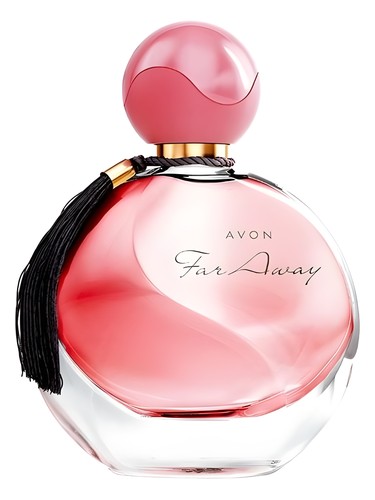
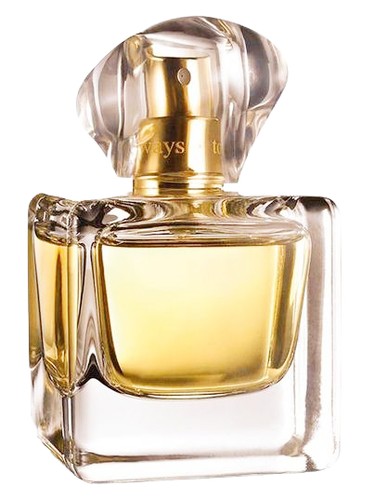
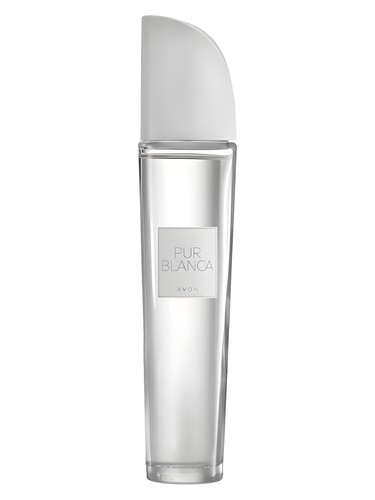
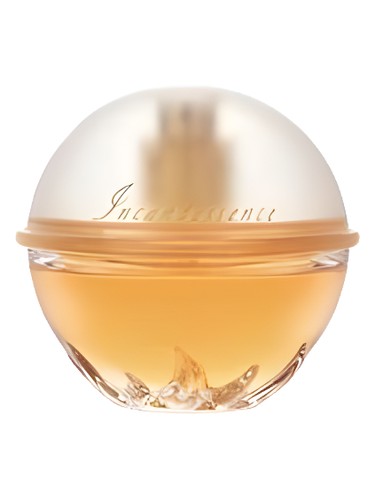
The list of similar fragrances reveals intriguing company: Euphoria by Calvin Klein, Rare Gold by Avon, Womanity by Mugler, Dune by Dior, and Poison by Dior. This range—from the pomegranate-orchid richness of Euphoria to the fig-caviar experimentation of Womanity, to the oceanic warmth of Dune—suggests Rare Sapphires occupies an interesting middle ground in the woody-floral-fig space.
Where Womanity goes avant-garde and Poison goes sultry, Rare Sapphires remains accessible. It shares DNA with Dune''s understated elegance and woody freshness, but offers a greener, more explicitly figgy interpretation. Within Avon''s own lineup alongside Rare Gold, it represents the earthier, less precious-metals approach to luxury positioning.
The Bottom Line
Rare Sapphires won''t be everyone''s holy grail, and that 3.64 rating reflects its niche appeal. But for those seeking a woody fragrance that maintains feminine grace, or a white floral that doesn''t rely on tropical sweetness, this deserves attention. It''s proof that accessibility doesn''t require dumbing down a formula—the complex interplay of fig, white florals, and substantial woods offers genuine interest.
The unknown concentration and year speak to Avon''s sometimes opaque approach to product information, but the fragrance itself is transparent about its intentions. This is a daytime workhorse with enough character to transcend its utilitarian role, a scent that smells more expensive than its price point suggests. Try it if you''ve outgrown fruity-sweet but aren''t ready for full austere chypres, or if you''ve always wondered what fig could do when given room to breathe across every stage of a fragrance''s development.
AI-generated editorial review