First Impressions
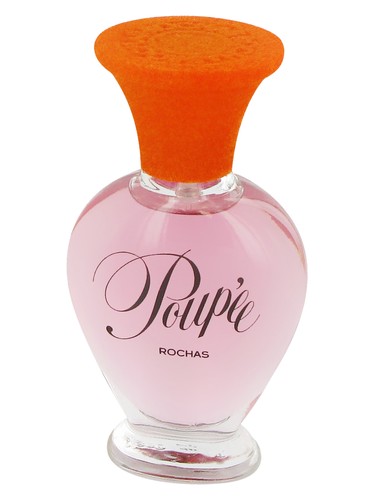
The moment Poupee touches skin, it announces itself with an unexpected greeting: sun-warmed pineapple mingling with orange blossom''s bitter-sweet petals. This isn''t the tropical fruit cocktail you might fear—instead, it''s a surprisingly sophisticated introduction that reads more like ripe fruit glimpsed through a veil of white flowers. There''s something deliberately playful about this opening, befitting a fragrance whose name translates to "doll." But don''t mistake whimsy for innocence. Within minutes, the composition reveals its true nature as a full-throttled white floral with considerable presence and a distinctly animalic edge that keeps it from veering into sugary territory.
The Scent Profile
Poupee''s evolution unfolds like a carefully choreographed performance where the supporting cast gradually overtakes the lead. That initial pineapple-orange blossom duet sets an unexpectedly fruity stage—accounting for 26% of the fragrance''s overall character—but it''s merely a prelude to the main event.
The heart reveals Rochas''s true ambition: a dense, almost narcotic white floral bouquet dominated by tuberose and gardenia. The tuberose here registers at 34% of the composition''s DNA, and it shows. This is tuberose in its full glory—creamy, slightly rubbery, with that characteristic mentholated edge that can either captivate or overwhelm. Gardenia adds a velvety richness, while jasmine and rose provide classical floral support, preventing the composition from becoming a tuberose solifloquy. The nutmeg inclusion is subtle but crucial, adding a spicy warmth that bridges the tropical opening with the indulgent florals, creating continuity rather than jarring transitions.
As the fragrance settles into its base, the white floral intensity gradually softens into something more embracing. Benzoin contributes a vanilla-adjacent sweetness (reflected in the 28% sweet accord), while sandalwood and amber create a warm, slightly powdery foundation. The amber registers at 31% of the overall profile, providing substantial warmth without turning the fragrance heavy or oppressive. What''s particularly intriguing is the animalic quality that persists throughout—24% of the composition carries this slightly feral undertone, likely emanating from the indolic aspects of the tuberose and gardenia. It''s this animality that prevents Poupee from becoming just another pretty white floral, giving it an edge that suggests confident femininity rather than demure sweetness.
Character & Occasion
Poupee is decisively a warm-weather creation, with 77% seasonal preference for spring and 64% for summer. This makes perfect sense—the fragrance has the radiant, sun-loving quality of white flowers in full bloom, with enough fruit and sweetness to evoke garden parties and sundrenched afternoons. Its performance drops considerably in colder months (38% fall, just 19% winter), where its tropical brightness might feel out of sync with the season.
The day-versus-night data tells an even clearer story: this is overwhelmingly a daytime fragrance, with 100% suitability for daytime wear against only 22% for evening occasions. The pineapple opening and overall luminosity position it firmly in the daylight hours—think brunch rather than cocktails, garden gatherings rather than intimate dinners.
Who is Poupee for? The woman who appreciates white florals but finds many too austere or headache-inducing. The unexpected fruit element makes it more approachable than straight-ahead tuberose bombs, while the animalic undertone ensures it maintains sophistication. It suits someone comfortable with projection—this isn''t a timid skin scent—but who still wants to remain appropriate for daytime social settings.
Community Verdict
With a rating of 3.62 out of 5 based on 403 votes, Poupee occupies interesting middle ground. This isn''t a universally adored masterpiece, nor is it dismissed as a failure. The rating suggests a fragrance that divides opinion—likely between those who embrace its full-bodied white floral character and those who find it too sweet or too intense. For a 2004 release that hasn''t maintained the visibility of some contemporaries, garnering over 400 ratings indicates a dedicated following of seekers who''ve discovered and documented their experience. The score places it in "very good" territory: worth exploring, potentially worthy of love, but probably not a blind-buy for everyone.
How It Compares
Poupee''s listed similarities reveal its positioning in the white floral landscape. Comparisons to Givenchy''s Organza and Lancôme''s Poeme place it firmly in the tradition of rich, romantic French florals from the 1990s and early 2000s. The Alien reference speaks to the white floral intensity, while Poison and Dior Addict connections hint at that animalic edge and unapologetic presence. What distinguishes Poupee is its tropical fruit opening—most of these comparisons launch with florals or spices directly, whereas Poupee takes a sunnier, more playful route before revealing its serious floral heart.
The Bottom Line
Poupee deserves more attention than its relative obscurity suggests. At 3.62 stars, it''s a solid performer that will particularly resonate with white floral devotees seeking something slightly left of center. The pineapple opening might initially surprise purists, but those who stay for the journey will find a well-constructed tuberose-gardenia composition with enough complexity to reward repeated wearing.
This isn''t a safe fragrance, nor is it trying to be. It''s bold enough for daytime wear but retains an animalic quality that prevents it from reading as innocent or girlish despite its "doll" namesake. If you love tuberose, appreciate fruit in your florals, and have warm months to fill with scent, Poupee merits exploration—especially considering vintage bottles can often be found at reasonable prices. Just remember: this doll has teeth.
AI-generated editorial review