First Impressions
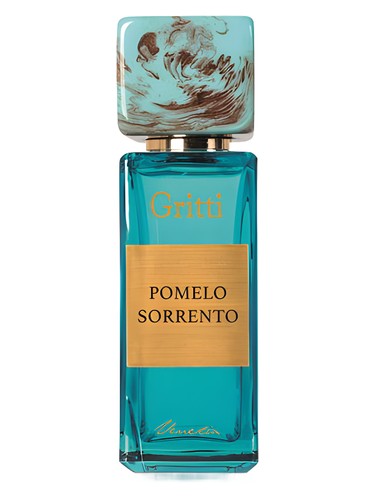
The first spray of Pomelo Sorrento transports you immediately to the Amalfi Coast at dawn, when the citrus groves are still cool with morning dew and the Mediterranean sun hasn''t yet turned fierce. This is Gritti''s love letter to Italian summer—unapologetically bright, supremely fresh, and utterly unpretentious. The opening is a burst of pure sunshine: pomelo and grapefruit collide in a sparkling cascade that''s both sharp and sweet, tart yet somehow comforting. There''s nothing timid about this introduction; it announces itself with the confidence of someone who knows exactly what they are and makes no apologies for it.
What strikes you within those first few moments is the quality of the citrus itself. This isn''t the synthetic, air-freshener brightness that plagues lesser interpretations of the citrus genre. Instead, Gritti has captured something alive—the bitter white pith beneath the rind, the spray of essential oils when you dig your thumb into the fruit''s skin, the green sharpness that makes your mouth water.
The Scent Profile
The pomelo and grapefruit opening dominates completely, as evidenced by the fragrance''s full-throttle citrus accord. But Gritti demonstrates restraint in what could have been a one-dimensional citrus bomb. There''s a subtle spiciness woven through the top notes—not pepper or cardamom exactly, but rather that fresh, almost metallic green spice that citrus zest provides when it''s exceedingly fresh.
As Pomelo Sorrento settles into its heart, the composition reveals unexpected sophistication. Green tea emerges like a whisper, bringing a subtle astringency that bridges the gap between the explosive opening and what''s to come. White flowers and rose bloom gently, never overwhelming the citrus foundation but adding a delicate femininity that keeps the fragrance from veering too sharp or masculine. This is where the aromatic quality becomes apparent—there''s something slightly herbal, reminiscent of standing in a garden where flowering bushes grow alongside fruit trees.
The progression to the base is seamless rather than dramatic. Vetiver provides an earthy grounding, while iris adds a powdery, almost watercolor-soft quality that feels like sunlight filtered through linen curtains. Amber appears in the drydown, but it''s wisps rather than waves—just enough to give the composition some staying power without weighing down its inherently airy nature. The base never tries to compete with the citrus; instead, it serves as an elegant landing pad for the fragrance''s inevitable descent from those brilliant opening heights.
Character & Occasion
The data tells the story clearly: this is a warm-weather masterpiece. With summer compatibility at full saturation and spring following at 58%, Pomelo Sorrento knows its lane and stays firmly in it. This is not a fragrance for cozy winter evenings by the fireplace—attempting to wear it in December would be like serving gazpacho in a snowstorm.
Daytime wear dominates at 80%, and it''s easy to understand why. This is the olfactory equivalent of white linen shirts, terracotta tiles warm underfoot, and lunch that stretches lazily into mid-afternoon. It''s designed for moments when you''re alive to the world—morning meetings, weekend market runs, garden parties, alfresco dining. The 11% who wear it at night are likely doing so on balmy summer evenings when the distinction between day and night blurs into endless golden hour.
The feminine designation shouldn''t be taken as gospel. While the white florals and rose certainly lean traditionally feminine, the overall character—especially that vibrant citrus and grounding vetiver—makes this a fragrance that could be worn by anyone who appreciates fresh, uncomplicated elegance.
Community Verdict
With a 4.08 rating from 822 votes, Pomelo Sorrento has earned solid approval from a substantial community. This isn''t a niche oddity appreciated by a handful of devotees; it''s a broadly appealing fragrance that delivers on its promise. The rating suggests competence and quality without claiming groundbreaking innovation—and sometimes, that''s precisely what you want. Not every fragrance needs to reinvent the wheel; some just need to be exceptionally good at what they do.
The vote count itself is meaningful. Over 800 people have taken the time to rate this fragrance, indicating it''s achieved respectable visibility in Gritti''s collection and beyond.
How It Compares
The similarities to Un Jardin Sur Le Nil and Winter Palace place Pomelo Sorrento in distinguished company. Like Hermès'' garden composition, it captures a specific sense of place with restraint and artistry. The connection to Jo Malone''s Wood Sage & Sea Salt suggests a shared appreciation for fresh, natural-feeling accords that don''t scream "perfume."
What sets Pomelo Sorrento apart is its laser focus on citrus. While its comparisons dabble in freshness, Gritti commits fully to the Mediterranean citrus grove experience. It''s less abstract than Winter Palace, more fruit-forward than Wood Sage & Sea Salt, and far less concerned with projection than the Initio or Nishane references.
The Bottom Line
Pomelo Sorrento succeeds because it understands its mission and executes it beautifully. This isn''t a fragrance trying to be all things to all people across all seasons. It''s a summer specialist, a warm-weather expert, a bottled vacation to the Italian coast.
At 4.08, it sits comfortably in "very good" territory—appreciated by most who try it, even if it doesn''t inspire universal obsession. For those seeking a sophisticated citrus fragrance that goes beyond basic cologne territory, Pomelo Sorrento delivers quality and wearability.
Who should try it? Anyone building a warm-weather rotation, lovers of citrus who want something with more development than typical eau de colognes, and those who appreciate Italian perfumery''s approach to fresh fragrances. Skip it if you need longevity above all else, prefer heavy or sweet compositions, or rarely find yourself reaching for anything in the citrus family.
Gritti has created something genuinely sunny here—not revolutionary, but perfectly, luminously itself.
AI-generated editorial review