First Impressions
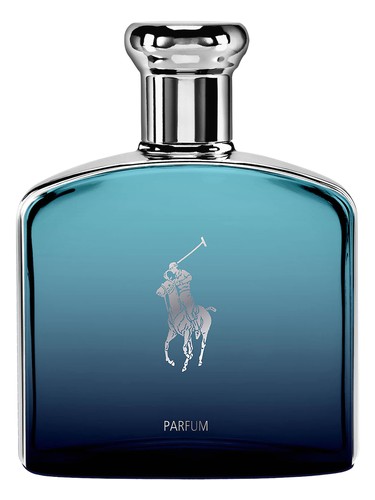
The first spray of Polo Deep Blue Parfum delivers an immediate contradiction that stops you in your tracks: the brightness of green mango and grapefruit colliding with something darker, more substantial lurking beneath. This isn''t the translucent blue of shallow Caribbean waters—it''s the deeper, more mysterious cobalt of ocean trenches where sunlight barely penetrates. The parfum concentration makes itself known immediately, with a density and richness that sets it apart from the typical fresh aquatics that dominate men''s counters. There''s bergamot here too, rounding out the citrus trio, but it''s that green mango note that proves most intriguing—unripe, slightly vegetal, suggesting tropical coastlines where jungle meets sea.
The Scent Profile
The opening act pivots on that green mango, a note that reads less like fruit salad and more like torn leaves from a mango tree, bitter-green and alive. The grapefruit provides pink-tinted brightness while bergamot smooths the edges with its sophisticated, slightly floral citrus character. Together, they create an aromatic-citrus introduction that the community data confirms as dominant, with that 100% aromatic accord rating speaking to the fragrance''s herbal backbone.
As the initial brightness begins to recede—and in parfum concentration, this transition happens more gradually, more deliberately than in eau de toilette siblings—the heart reveals its hand. Cypress emerges as the star of this second movement, bringing its resinous, slightly medicinal greenness that bridges the gap between fresh opening and deeper base. Clary sage adds an herbal, almost wine-like complexity with subtle musky undertones, while geranium contributes a green-rosy accent that keeps things from veering too masculine or severe. This is where the fresh spicy accord (rated at 60%) becomes apparent, not through conventional pepper or ginger, but through the aromatic heat of these botanical notes working in concert.
The base is where Polo Deep Blue Parfum earns its "Deep" designation. Sea notes anchor the composition with mineral salinity, but they''re reinforced by ambroxan''s warm, ambery-marine glow that''s become the backbone of modern aquatics. Fir resin adds a silvery-green woody element, evoking pine forests overlooking coastal cliffs. Musk provides soft, clean skin-like warmth, while patchouli—used here with restraint—adds just enough earthy darkness to ground the composition. The woody accord (57%) and musky accord (39%) ratings reflect this carefully calibrated base that manages to smell both oceanic and forest-floor rich simultaneously.
Character & Occasion
The community data reveals something fascinating: Polo Deep Blue Parfum scores evenly across all seasons, a rare achievement for a fragrance with such pronounced marine and citrus elements. This versatility stems from its parfum concentration and that robust aromatic-woody base. In summer, the green mango and sea notes come alive with authentic warmth. In winter, the fir resin, ambroxan, and patchouli provide enough substance to avoid the "room freshener" syndrome that plagues lighter aquatics in cold weather.
The day-night split shows complete neutrality—no strong preference either way from wearers. This makes sense when you consider the fragrance''s duality: bright enough for daytime office wear, substantial enough for evening occasions. It''s a fragrance that transitions seamlessly from coastal lunch meetings to dinner reservations, from weekend sailing to gallery openings.
This is fundamentally a masculine fragrance, but one with enough sophistication in its construction to appeal to the modern wearer who''s moved beyond the aggressive fresh-sport clichés of the early 2000s. It''s for someone who appreciates aquatics but wants more depth, more development, more story than transparent blue bottles typically provide.
Community Verdict
With a rating of 4.16 out of 5 based on 1,257 votes, Polo Deep Blue Parfum has clearly resonated with its audience. This is a strong showing, particularly in the crowded masculine aquatic-aromatic category where competition is fierce and differentiation is difficult. Over a thousand wearers have weighed in, providing a statistically meaningful endorsement that goes beyond launch-week hype. The rating suggests a fragrance that delivers on its promises—perhaps not revolutionary, but executed with confidence and quality that justifies the parfum designation.
How It Compares
The comparison set is telling: Light Blue Eau Intense Pour Homme, Acqua di Giò Profumo and Profondo, Versace Man Eau Fraiche, and Y Eau de Parfum. These are the modern royalty of masculine fresh fragrances, multi-million bottle sellers that have defined the category for a generation.
Where Polo Deep Blue Parfum distinguishes itself is in that aromatic intensity—the cypress and clary sage give it a more herbaceous, less purely aquatic character than the Armani offerings. It''s less sweet than Y EDP, more substantial than Versace Man Eau Fraiche, and darker than Light Blue Eau Intense. Think of it as occupying the space between pure aquatics and aromatic fougères, borrowing the best elements from both families.
The Bottom Line
Polo Deep Blue Parfum represents Ralph Lauren''s serious entry into the elevated aquatic conversation. The parfum concentration isn''t just marketing—it delivers genuine longevity and depth that justify the format. At 4.16 out of 5, it''s a fragrance that the community has validated as worth owning, particularly for those who find standard aquatics too fleeting or simplistic.
Is it groundbreaking? No. The bones of modern aquatic masculines are all here. But it''s executed with enough care and quality—that green mango opener, the cypress-driven heart, the resinous-musky base—to feel contemporary without chasing trends. For anyone building a versatile masculine wardrobe, this all-season performer deserves consideration. For fans of the Acqua di Giò lineage looking for something adjacent but distinct, this is absolutely worth sampling. The Deep Blue name promises depth, and unusually for this category, it actually delivers.
AI-generated editorial review