First Impressions
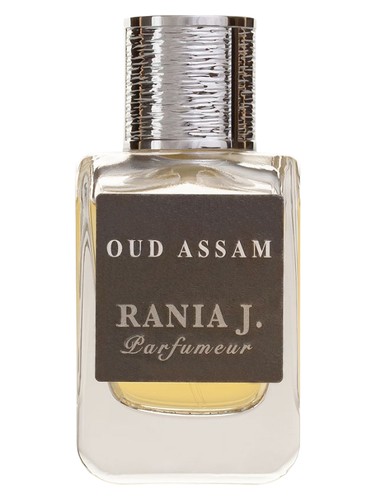
The first spray of Oud Assam is a study in contrasts—a handshake between the sun-drenched groves of Calabria and the humid forests of Assam. What emerges is unexpectedly luminous: a burst of bitter and sweet orange mingling with bergamot, their brightness so pronounced you might momentarily forget you''re wearing an oud fragrance at all. Yet there it is, lurking beneath that citrus canopy, the unmistakable woody whisper promising something far more complex than this radiant opening suggests. It''s an introduction that challenges every preconception about what a feminine oud should announce itself as—no heavy curtain of resinous darkness here, but rather a door thrown open to let morning light flood in.
The Scent Profile
The evolution of Oud Assam reads like a journey from dawn to dusk compressed into hours on the skin. Those opening notes—the trinity of bitter orange, sweet orange, and bergamot—create a citrus accord so vibrant it registers at 79% intensity in the fragrance''s DNA. This isn''t a polite spritz of lemon as prelude; it''s a full-throated declaration that lasts longer than you''d expect, the bitter edge of the orange peel cutting through any potential sweetness with precision.
As the citrus gradually softens, the heart reveals its true nature: Indian oud, standing nearly alone in the composition''s middle act. This is where Rania J''s vision becomes clear. The oud from Assam carries a different character than its Middle Eastern cousins—earthier perhaps, with a medicinal quality that some find challenging but others recognize as authentically complex. At 100% presence in the accord breakdown, it dominates utterly, yet the fresh spicy elements (clocking in at 86%) prevent it from becoming oppressive. There''s a sharpness here, an aromatic quality that keeps the oud from settling into the heavy, animalic territory that alienates some wearers.
The base is where Oud Assam reveals its architectural ambition. Olibanum lends ecclesiastical gravitas, its frankincense smoke weaving through the vetiver''s green-woody dryness. Cedar adds structure while tonka bean introduces a subtle creaminess that never tips into gourmand territory. Black pepper—one of the fresh spicy accord''s key contributors—provides persistent bite, and musk grounds everything with skin-like warmth. The result is a woody foundation (77% accord strength) with amber undertones (65%) that feel earned rather than applied, as if the fragrance has burnished itself into something glowing through its own internal heat.
Character & Occasion
Here''s where Oud Assam truly distinguishes itself: this is an oud you can wear to brunch. While the community votes it perfect for winter (100%) and nearly essential for fall (95%), what''s remarkable is that 68% of wearers find it daytime-appropriate—a rarity in the oud category. That citrus opening and fresh spicy character make it wearable when the sun is high, defying the notion that oud demands darkness and formal occasion.
That said, night is where Oud Assam truly comes alive, with 83% of the community endorsing it for evening wear. As temperatures drop and the sun sets, those woody and amber accords deepen, the oud revealing facets that daylight seems to keep in check. Spring sees moderate endorsement (56%), while summer remains challenging territory (21%)—unsurprising given the oud''s intensity, though those citrus notes make it more feasible than most in its category.
Despite its feminine classification, the composition reads as beautifully androgynous. The woody-citrus-spicy profile defies gender conventions, making it equally compelling on any wearer confident enough to carry it.
Community Verdict
With a rating of 4.04 out of 5 from 387 votes, Oud Assam has achieved something noteworthy: broad approval for a polarizing note category. Oud fragrances tend to divide audiences sharply, yet this one has garnered substantial support. The vote count itself suggests a fragrance that''s found its audience—not a mainstream blockbuster with thousands of ratings, but a well-loved piece in the niche category that''s been discovered by those actively seeking something beyond department store fare.
How It Compares
The listed similarities tell a story about Oud Assam''s position in the fragrance landscape. Tom Ford''s Oud Wood is the obvious comparison—both attempt to make oud accessible and wearable—though Rania J''s interpretation is brighter and more citrus-forward. The mention of Terre d''Hermès is telling: both share that fresh-woody-citrus architecture, though Oud Assam ventures into more exotic territory. Amouage''s Epic Man and Tauer''s L''Air du Désert Marocain speak to the incense-woody-spicy family resemblance, while Lavande 44 from Rania J''s own line suggests a house style that favors brightness and aromatic clarity even in traditionally heavy compositions.
The Bottom Line
Oud Assam succeeds because it refuses to genuflect before oud''s intimidating reputation. Rather than building a dark temple around the Indian agarwood at its heart, Rania J has created something more like a sunlit library—serious and substantive, but inviting rather than forbidding. The rating reflects genuine appreciation rather than hype, and the fragrance delivers complexity that rewards repeated wearing.
Is it perfect? The summer wearability challenges and the potential intensity of that Indian oud note may deter those seeking something lighter or more conventional. But for anyone intrigued by oud yet hesitant about the category''s typical heaviness, or for experienced oud lovers seeking a brighter interpretation, Oud Assam offers a compelling entry point. At over a decade since its 2013 release, it has proven its staying power—not as a trend, but as a well-crafted solution to the question of how to make oud feel contemporary without stripping it of its essential character.
AI-generated editorial review