First Impressions
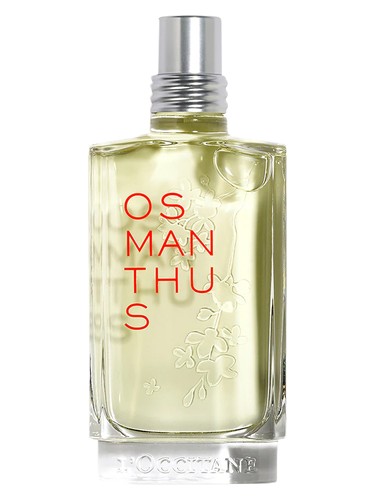
The first spray of L''Occitane''s Osmanthus immediately transports you to a sun-drenched orchard in full bloom. Ripe apricot dominates the opening with an almost tangible juiciness, softened by the cool crispness of pear and brightened with a whisper of bitter orange. This is osmanthus reimagined through a distinctly Western lens—less about the flower''s traditional tea-like, leather facets and more about amplifying its naturally fruity characteristics to their fullest expression. It''s approachable, undeniably pretty, and radiates warmth without weight.
Released in 2021, this feminine fragrance arrives without fanfare about its concentration, yet it announces itself clearly enough: this is a scent designed for pleasure rather than power, for embracing rather than commanding attention.
The Scent Profile
The apricot-pear-orange trinity that opens Osmanthus doesn''t simply vanish—it melts into the heart, where Chinese osmanthus absolute finally reveals itself. Those familiar with osmanthus know its chameleonic nature: part apricot skin, part black tea, part suede leather, always intoxicating. Here, L''Occitane chooses to emphasize the flower''s jammier, sweeter side. Mahonial, a modern synthetic molecule known for its diffusive, slightly metallic floral character, adds lift and longevity, while carrot seeds contribute an earthy, vegetal undertone that prevents the composition from tipping into confectionery territory.
This heart phase is where the fragrance truly lives. The lactonic quality (registered at 33% in the accord profile) emerges here—a soft, milky smoothness that recalls peach skin and apricot nectar more than dairy. There''s powder here too (also 33%), but it''s the kind you''d find on a fresh stone fruit rather than in a compact.
As the fragrance settles, ambrettolide brings a clean musk foundation, subtle and skin-like, while cedar and sandalwood provide just enough woody structure (27% of the overall accord) to ground what could otherwise float away entirely. The base is polite rather than persistent, a quiet reminder rather than a bold statement. The sandalwood whispers rather than speaks, which some will find elegant and others may find fleeting.
Character & Occasion
The community data tells a clear story: this is emphatically a warm-weather, daytime fragrance. With identical 93% ratings for both spring and summer suitability and a perfect 100% day-wear designation versus just 15% for night, Osmanthus knows exactly what it is and makes no apologies.
Picture it on a spring morning when the air still holds a slight coolness but the sun promises warmth. Imagine it during summer lunches on terraces, at outdoor markets, during garden parties where the dress code is linen and the mood is leisurely. This is the fragrance equivalent of natural light—flattering, optimistic, effortlessly wearable.
Its 15% winter score and 36% fall rating confirm what your nose already suspects: this fragrance needs sunshine to truly shine. In colder months, its bright fruitiness might feel out of step with wool coats and grey skies. The 28% sweetness accord keeps it from being too austere, but it''s sweetness of the fresh fruit variety, not the caramelized, amber-drenched kind that autumn and winter often demand.
Who is this for? Someone who gravitates toward the prettier, more accessible end of the fragrance spectrum. Someone who wants to smell good without making a statement about smelling good. It''s for office environments, casual dates, running errands while feeling put-together, for any moment when you want fragrance to be a grace note rather than the main melody.
Community Verdict
With 431 votes tallying to a 3.78 out of 5 rating, Osmanthus sits comfortably in "very good" territory without quite reaching "exceptional" status. This is a respectable score that suggests broad appeal rather than polarizing artistry. The fragrance doesn''t have devoted disciples proclaiming it a masterpiece, nor does it have detractors warning others away.
That near-4-star rating indicates exactly what you''d expect from L''Occitane: competent, pleasant, well-crafted fragrance work that prioritizes wearability over innovation. The brand''s expertise in natural ingredients and their Provence-rooted aesthetic sensibility shows through, even if the composition doesn''t break new ground in the fruity-floral category.
How It Compares
L''Occitane''s own Fleurs de Cerisier appears among the similar fragrances, which makes sense—both explore spring florals through a fruit-forward lens. But the comparisons to Chanel''s Chance Eau Tendre and Hermès Un Jardin Sur Le Nil are particularly telling. These are established benchmarks in the fresh, luminous, warm-weather category, though both typically command significantly higher price points.
Osmanthus offers a similar mood to Chance Eau Tendre''s grapefruit-quince-jasmine brightness but emphasizes apricot where Chanel emphasizes citrus. The Hermès comparison suggests a shared green-fruity transparency, though Un Jardin Sur Le Nil skews more aquatic-vegetal while Osmanthus stays softer and sweeter.
Narciso Rodriguez For Her and Noa by Cacharel in the comparison set point to the musky-powdery-floral foundation, though both of those fragrances carry more sensuality and darkness than L''Occitane''s sunlit interpretation.
The Bottom Line
Osmanthus by L''Occitane en Provence is a fragrance that knows its lane and stays in it gracefully. It won''t challenge you, surprise you on the tenth wearing, or require you to "get it." Instead, it offers immediate gratification: the simple pleasure of smelling like ripe fruit and spring flowers on a beautiful day.
The 3.78 rating reflects this positioning perfectly—it''s a fragrance most people will like, many will enjoy wearing, but few will obsess over. For L''Occitane''s typical customer base, this is likely exactly right. It delivers what the name promises with quality ingredients and a wearable composition, at a price point that makes it an easy exploration rather than a considered investment.
Should you try it? Absolutely, if you''re drawn to fruity-florals, if you need a reliable warm-weather signature, or if you love osmanthus but find traditional interpretations too austere. It''s particularly worth sampling if you admire the fragrances in its comparison set but want something less ubiquitous than Chance Eau Tendre or more affordable than the Hermès.
Just remember: this is sunshine in a bottle. Save it for the seasons when sunshine belongs.
AI-generated editorial review