First Impressions
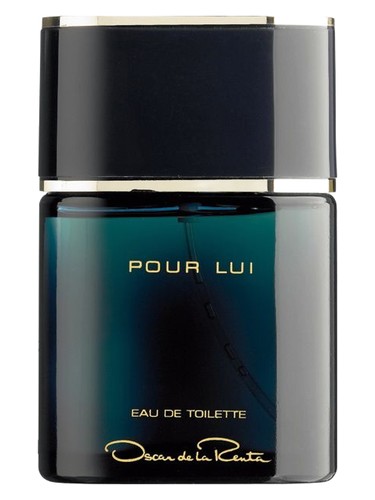
The opening spray of Oscar de la Renta Pour Lui announces itself with the unmistakable hallmarks of 1980s masculine perfumery: a sharp, bright blast of aldehydes cutting through a forest of green herbs. Lavender and galbanum rise immediately, accompanied by the piercing clarity of juniper berries and an unexpected herbal quartet of basil, sage, caraway, and anise. There''s bergamot somewhere in the composition, but it struggles to assert its citrus refinement against the cacophony of aromatic notes all vying for attention. This is a fragrance that doesn''t whisper—it shouts, with all the confidence and subtle chaos of its decade.
The initial impression reveals both ambition and discord. Here was Oscar de la Renta''s attempt to craft a masculine counterpart worthy of his couture legacy, loading the formula with every aromatic and fresh note imaginable. But first impressions, as they say, can be deceiving—or in this case, prophetic.
The Scent Profile
Pour Lui''s evolution tells the story of a fragrance reaching for classic aromatic woody territory but struggling to find its balance. The top notes—that avalanche of aldehydes, lavender, juniper, basil, galbanum, sage, caraway, anise, and bergamot—create an opening that''s simultaneously fresh and overwhelming. The aromatic accord dominates at 100%, and you feel every percentage point of it. The green sharpness of galbanum clashes rather than complements the softer lavender, while the anise adds an unexpected licorice twist that not everyone finds harmonious.
As the fragrance settles into its heart, things become even more complicated. Carnation brings a spicy floral element that mingles with patchouli''s earthy darkness and cinnamon''s warmth. Geranium adds another floral dimension while cedar and vetiver attempt to establish a woody foundation. Cyclamen, that delicate floral note, seems almost lost in the melee. This is where the fragrance''s central challenge becomes apparent: too many ideas, too little cohesion. The heart oscillates between warm spicy (60%) and fresh spicy (65%) territories without fully committing to either.
The base offers some redemption with its classic masculine architecture. Oakmoss provides that essential chypre-adjacent earthiness (44% earthy accord), while leather, labdanum, sandalwood, and musk create a woody (82%), musky foundation that finally brings some focus to the composition. Here, in its final hours, Pour Lui hints at what it might have been—a sophisticated aromatic woody fragrance with genuine character.
Character & Occasion
The data tells a clear story about Pour Lui''s ideal habitat: this is a cold-weather fragrance through and through. Winter scores a perfect 100%, fall comes in at 99%, and the ratings plummet dramatically as temperatures rise—spring manages only 61%, while summer limps in at a mere 25%. That aromatic intensity and earthy, woody character simply overwhelms in heat but finds its stride when there''s a chill in the air.
Interestingly, while it performs adequately during the day (68%), Pour Lui truly comes alive at night (94%). This suggests a fragrance with enough presence and intensity for evening wear, though whether that intensity translates to sophistication remains the contentious question. The aromatic and woody profile, combined with those leather and oakmoss base notes, positions it as a traditionally masculine scent—old-school in orientation, aimed at men who appreciate bold, unapologetic fragrances.
Community Verdict
Here''s where the conversation becomes uncomfortable but necessary. The Reddit fragrance community''s assessment of Pour Lui is decidedly negative, scoring just 4.5 out of 10 in sentiment analysis across 50 opinions. This isn''t merely lukewarm reception—it''s active criticism.
The pros are few but worth noting: it''s affordable, carries the heritage of a classic designer house, and remains wearable for those who genuinely enjoy it. But the cons tell a harsher story. Community members specifically cite Pour Lui as an example of a fragrance that "smells cheap and poorly blended," with notes that "lack cohesion and agreement." The criticism goes beyond mere preference—users find it qualitatively inferior to other designer fragrances at similar price points and note that it "doesn''t hold up against genuinely well-made budget fragrances" like Club De Nuit Intense Man or Lalique Pour Homme.
The community suggests it''s best suited for "budget-conscious fragrance exploration" or "those new to fragrances with untrained noses"—a diplomatic way of saying that more experienced wearers will immediately recognize its shortcomings.
How It Compares
Pour Lui lists impressive company among its similar fragrances: Aramis, Azzaro pour Homme, Drakkar Noir, Polo, and Quorum. These are titans of 1980s masculine perfumery, aromatic powerhouses that defined an era. The problem is that Pour Lui stands alongside them in ambition only. Where Aramis achieved leathery sophistication and Azzaro pour Homme delivered aromatic refinement, Pour Lui stumbles in execution. It''s the difference between a well-tailored suit and one with visible stitching errors—the pattern might be similar, but the craftsmanship tells a different story.
The Bottom Line
With a rating of 4.13 out of 5 from 1,710 votes, there''s clearly an audience that appreciates what Oscar de la Renta Pour Lui offers. But that rating exists in tension with the more critical community sentiment, suggesting a divide between casual users and serious collectors.
The honest assessment? Pour Lui is a fragrance that demonstrates the limitations of budget execution on ambitious ideas. If you''re new to fragrances and want to explore the aromatic woody category without significant investment, it offers an affordable entry point. For cold-weather wear and evening occasions, it has sufficient presence. But if you''re seeking a genuinely well-crafted aromatic fragrance from this era, your money would be better spent on the classics it attempts to emulate rather than on this discordant interpretation of them.
AI-generated editorial review