First Impressions
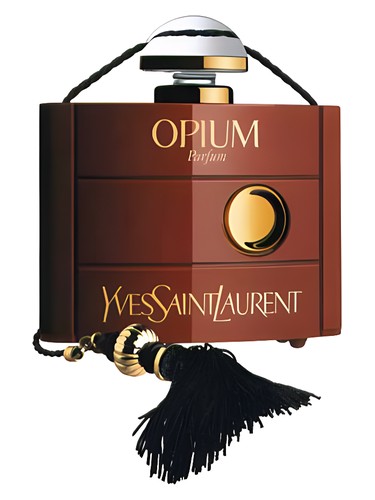
The first spray of Opium Parfum is like stepping through crimson velvet curtains into a dimly lit salon where incense smoke curls lazily toward the ceiling. There''s an immediate warmth—not gentle, but insistent—as cloves and pepper announce themselves with theatrical flair. This is the parfum concentration of YSL''s legendary 1977 creation, and it wears its intensity like a badge of honor. Mandarin orange attempts to cut through the spice with citrus brightness, but it''s quickly enveloped by the oriental richness that defines this composition. Within moments, you understand why this fragrance caused such a stir when it launched: it demands attention, refuses to whisper, and makes no apologies for its opulence.
The Scent Profile
The opening of Opium Parfum is a masterclass in controlled chaos. Cloves and pepper lead the charge, their heat tempered by mandarin orange and bergamot, while coriander and West Indian bay add an aromatic complexity that keeps the top notes from becoming one-dimensional. There''s plum lurking in the background, adding a jammy sweetness, and unexpectedly, jasmine makes an early appearance, foreshadowing the floral heart to come. It''s a crowded stage, but each player knows their role.
As the composition settles into its heart, the spice narrative continues but becomes more refined. Carnation and cinnamon create a warm, almost edible quality—think clove-studded oranges rather than synthetic candy. Patchouli and sandalwood ground the florals, while rose and orris root contribute a vintage powderiness that marks this as unmistakably from another era. Peach adds unexpected juiciness, and lily-of-the-valley provides a brief moment of green freshness before being swallowed by the amber wave building beneath.
The base is where Opium Parfum truly earns its reputation. Myrrh and incense create a resinous, almost sacred atmosphere, while amber becomes the dominant force—the data confirms it at 100%, and your nose corroborates. Tolu balsam, benzoin, and opoponax add layers of balsamic sweetness, while vanilla smooths the edges without making anything saccharine. Castoreum brings an animalic depth that modern fragrances often avoid, and the supporting cast of sandalwood, labdanum, cedar, musk, and vetiver creates a woody foundation that prevents all this sweetness from floating away. There''s even coconut listed in the base, though it manifests more as creamy texture than recognizable note. This is a base that lasts for hours—sometimes days on clothing—refusing to fade quietly.
Character & Occasion
Opium Parfum is a cold-weather creature through and through. The data is unequivocal: winter scores 100%, fall comes in at 89%, while spring and summer lag dramatically at 30% and 22% respectively. This makes perfect sense when you''re wearing something this rich, this warm, this unapologetically heavy. Attempting this in July would be an act of defiance or delusion.
The day versus night breakdown tells an even clearer story: 36% day, 99% night. This is evening wear in its DNA—dinner parties, opera houses, intimate dinners where the lighting is low and the conversation flows. Could you wear it during the day? Certainly, but you''d be that person, the one whose presence is announced before they enter the room.
At 4.54 out of 5 stars from 962 votes, Opium Parfum clearly resonates with those who seek it out. This isn''t a fragrance for the timid or those still finding their olfactory identity. It''s for someone who knows what they want and doesn''t mind being remembered.
Community Verdict
The Reddit fragrance community discussion provided limited specific feedback about Opium Parfum, yielding a neutral sentiment score. The absence of strong community opinions in the provided data is notable—this could indicate that the parfum concentration is less commonly owned than the eau de toilette or eau de parfum versions, making it a more niche expression of this classic. The mixed sentiment score of 0 out of 10 suggests neither overwhelming praise nor significant criticism, which for a fragrance this polarizing is itself interesting. It''s possible that those who seek out the parfum concentration are already devoted to the Opium story and have made their peace with its intensity.
How It Compares
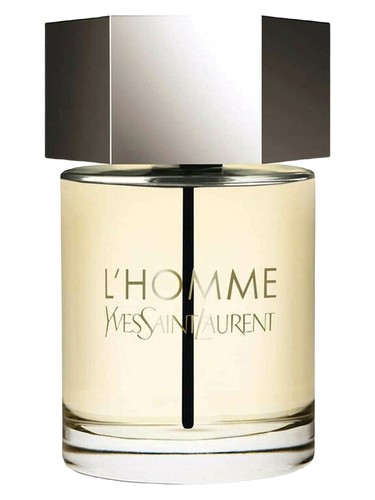
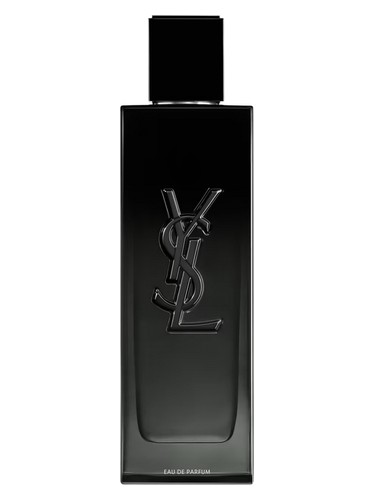
Opium Parfum exists within an elite constellation of amber-spicy oriental fragrances. Its closest sibling is naturally the 1977 Eau de Toilette version of Opium, though the parfum concentration amplifies every aspect—richer, denser, more persistent. Chanel''s Coco Eau de Parfum shares similar amber and spice DNA, though with a slightly more refined, less overtly exotic character. Guerlain''s Shalimar Eau de Parfum represents the genre''s earlier iteration, more citrus-forward and vanilla-dominant. Tom Ford''s Black Orchid takes the oriental concept into darker, more gothic territory, while the 2009 Opium Eau de Parfum reformulation attempts to modernize what the original parfum preserves in amber.
What sets this particular version apart is its concentration and consequent intensity. The 52% woody accord, 43% balsamic quality, and 38% powdery character create a more complex profile than many modern interpretations of the oriental theme.
The Bottom Line
Opium Parfum isn''t for everyone, and it doesn''t pretend to be. With its 4.54 rating from nearly a thousand voters, it''s clearly beloved by those who understand and appreciate what it offers: uncompromising richness, vintage sensibility, and the kind of presence that modern fragrances often sand down in pursuit of mass appeal.
This is a fragrance that requires commitment—both to wear it and to experience it fully. The parfum concentration means you need only the smallest amount, making the investment more reasonable than it initially appears. One carefully placed dab will outlast most modern eau de parfums by hours.
Who should seek this out? Anyone fascinated by perfume history, those who mourn the loss of unapologetic orientals, and anyone who''s tried the lighter concentrations of Opium and thought, "But I want more." If you prefer your fragrances polite, office-appropriate, or easy to forget, look elsewhere. But if you want to understand why a fragrance could be considered genuinely scandalous, why a scent could capture an era''s zeitgeist, spray Opium Parfum on a cold November evening and wait for the amber to bloom.
AI-generated editorial review