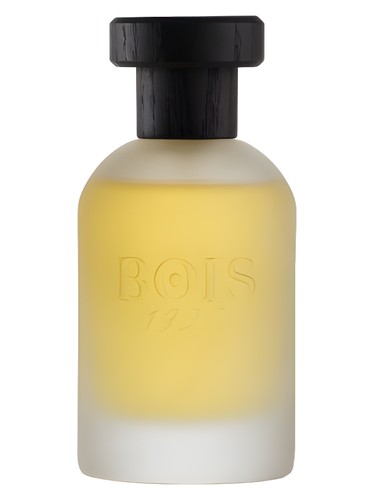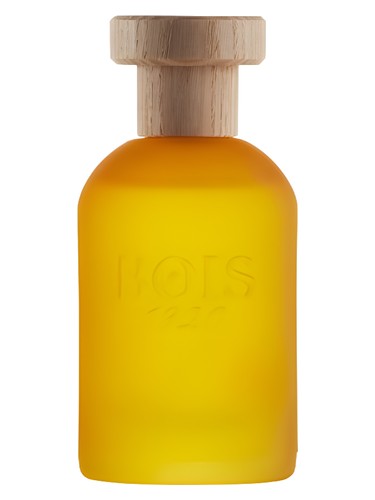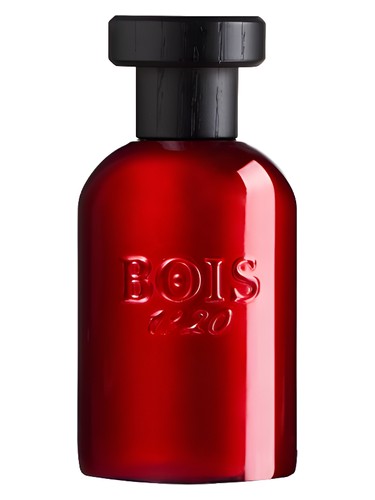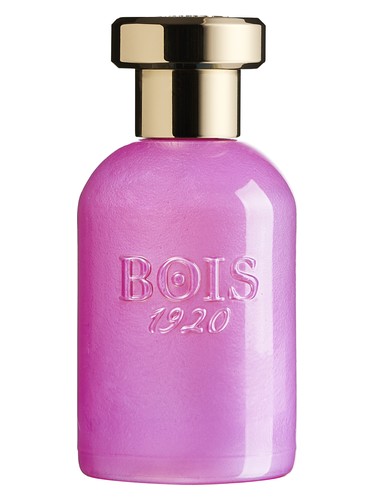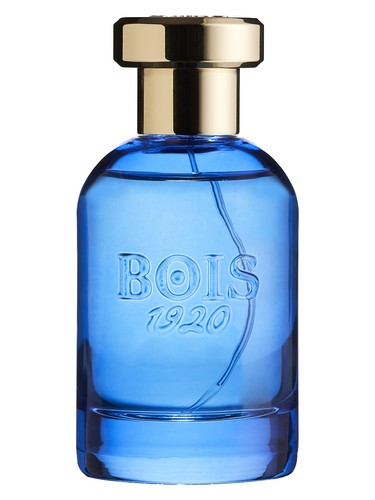
First Impressions
The first spray of Oltremare—Italian for "overseas" or "beyond the sea"—delivers exactly what its name promises: a bracing Mediterranean citrus wave that crashes over the senses with immediate intensity. The opening is a sun-drenched collision of lime, bergamot, Amalfi lemon, bitter orange, and sweet orange, creating a citrus accord so dominant it registers at 100% intensity. But this isn''t your grandmother''s Italian cologne. Lurking just beneath that luminous surface is something unexpected, something vegetal and tart that signals this 2011 Bois 1920 creation has more complex destinations in mind.
The Scent Profile
The citrus orchestra that opens Oltremare is nothing short of spectacular—five distinct citrus notes working in concert to create a brightness that feels both classic and oddly contemporary. The lime brings sharp verdancy, the bergamot adds its signature Earl Grey sophistication, while the Amalfi lemon contributes that particular Italian sunshine quality. Bitter and sweet orange round out the quintet, balancing astringency with approachable warmth.
But the real story begins as the heart reveals itself. Here, Oltremare takes an unexpected botanical turn with rhubarb as its star player—a note that gives this fragrance its distinctive personality and separates it from the crowded Mediterranean citrus category. The rhubarb brings a tart, slightly sour-green quality that''s simultaneously fruity and vegetable-like, a characteristic that seems to polarize wearers but undeniably sets Oltremare apart. Accompanying this unusual note is a supporting cast of tea (adding dry sophistication), juniper (piney and gin-like), holly, geranium (with its rosy-minty facets), hyacinth, and violet leaf. This creates the fragrance''s pronounced aromatic (66%) and green (65%) accords, with a fresh spicy element (60%) adding dimension.
The base settles into more familiar territory with white musk providing clean softness, patchouli adding earthy depth, sandalwood contributing creamy woodiness, and amber bringing warmth. These woody (31%) and fresh (27%) base accords ground the composition without overwhelming the citrus-aromatic character that defines the fragrance''s personality from start to finish.
Character & Occasion
Oltremare is officially designated as all-season wear, and that versatility speaks to its balanced composition. The citrus intensity makes it refreshing enough for summer heat, while the aromatic-woody depth prevents it from feeling too lightweight in cooler months. The green, vegetal quality of the rhubarb and violet leaf adds a spring-garden freshness, while the amber and woods provide enough warmth for transitional weather.
Interestingly, community data shows no strong preference for day or night wear (both registering at 0%), suggesting this is a fragrance that defies easy categorization. Marketed as feminine, Oltremare''s aromatic-citrus profile and woody base lean more toward what modern fragrance wearers would consider unisex territory. The fresh spicy and green accords, combined with the distinctive rhubarb, create a profile that''s more about botanical exploration than gender convention.
This is decidedly a daytime fragrance in spirit—that citrus-forward opening and crisp aromatic heart don''t particularly suit evening formality—making it ideal for weekend wear, outdoor gatherings, or creative work environments where you want something distinctive but approachable.
Community Verdict
The fragrance community''s mixed sentiment (6.5/10) tells a revealing story about Oltremare''s niche appeal. Based on 44 opinions, the consensus recognizes genuine merit while acknowledging practical limitations. The standout positive is that unique rhubarb note—it''s what makes Oltremare memorable and worth exploring, particularly for those who appreciate unusual botanical accords in their citrus fragrances. Community members also note it''s worthwhile for exploring the Bois 1920 house style and for those drawn to fruity-citrus profiles with character.
However, the cons are significant and practical. Oltremare proves difficult to find in decant sizes, which is problematic given the price point and the polarizing nature of that rhubarb note. Limited availability compared to alternatives means less accessibility, and the expense relative to similar options makes it a harder sell when more readily available fragrances cover similar olfactory territory.
The community suggests this fragrance is best suited for niche fragrance enthusiasts already committed to exploring beyond mainstream offerings, those specifically investigating the Bois 1920 catalog, and rhubarb note devotees. Tellingly, the community recommends sampling Hermès Eau De Rhubarb Ecarlate first to evaluate whether the rhubarb note appeals before committing to Oltremare''s premium pricing.
How It Compares
The similar fragrances list—Terre d''Hermès, Cedrat Boise, Layton, Hacivat, and Fahrenheit—initially seems puzzling given Oltremare''s feminine classification and citrus-aromatic profile. These comparisons likely speak to the aromatic-woody aspects and the sophisticated citrus treatment rather than direct olfactory similarity. Terre d''Hermès shares that refined citrus-mineral-woody character, while Cedrat Boise offers a more accessible citrus-woody composition. The inclusion of Hacivat (another citrus-woody fragrance with character) suggests Oltremare operates in that sophisticated, somewhat masculine-leaning citrus space despite its feminine marketing.
Within the rhubarb fragrance category specifically, the community''s recommendation to try Hermès Eau De Rhubarb Ecarlate provides valuable context—that fragrance offers a more direct, arguably clearer rhubarb experience at potentially better value and availability.
The Bottom Line
With a solid 4.06/5 rating from 758 votes, Oltremare clearly resonates with those who discover it—the challenge is getting to that discovery point. This is a well-crafted fragrance with genuine personality, anchored by that distinctive rhubarb note that makes it memorable in an oversaturated citrus market.
However, the practical realities matter. The difficulty sourcing samples, the premium pricing, and the availability of strong alternatives make Oltremare a "nice to have" rather than a "must have" for most fragrance wardrobes. If you''re already deep into niche territory, appreciate the Bois 1920 aesthetic, or have specifically identified rhubarb as a note you love, Oltremare warrants the hunt. For everyone else, explore the more accessible alternatives first—your wallet and your patience will thank you, even if you eventually circle back to Oltremare''s tart Mediterranean shores.
AI-generated editorial review