First Impressions
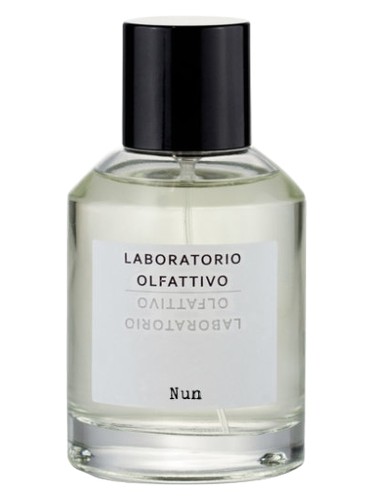
The name suggests devotion, quietude, perhaps even severity—but Nun arrives with anything but solemn restraint. The first spray releases a burst of luminosity, as if morning light were suddenly captured in liquid form. Pear dances alongside neroli, bergamot, and lemon in a quartet that feels less like a procession and more like a celebration. There''s an effervescence here, a sparkling quality that immediately signals this isn''t about ascetic minimalism. Instead, Laboratorio Olfattivo has crafted something paradoxical: a fragrance that wears its name with tongue slightly in cheek, offering purity without the weight of piety, radiance without ostentation.
The citrus opening carries weight—83% citrus accord strength—but it''s softened by that initial pear note, which adds a gentle sweetness and prevents the composition from veering into sharp territory. This is brightness tempered by grace, zest balanced by dewiness. Within moments, you sense the white florals waiting beneath, like glimpsed fabric beneath translucent veils.
The Scent Profile
As Nun settles, the composition reveals its true devotion: not to austerity, but to the white floral family. The heart unfurls with white lotus, jasmine, and ylang-ylang—a trinity that dominates the perfume''s personality at 100% floral accord strength, with white florals specifically registering at 83%. Yet this isn''t the heady, indolic white floral that commands attention in candlelit rooms. The aquatic quality (68%) woven through the composition keeps everything airy, almost translucent.
White lotus brings a clean, slightly watery quality that bridges the citrus opening to the richer florals. Jasmine adds its characteristic silkiness without overwhelming, while ylang-ylang contributes a creamy, subtly banana-tinged sweetness that explains the 49% yellow floral accord. The effect is cohesive rather than segmented—you don''t experience distinct "acts" so much as a gradual blooming, like watching flowers open in time-lapse.
The aquatic element deserves special mention. It''s not the oceanic freshness of marine fragrances, but rather the quality of petals after rain, of flowers floating in still water. This aqueous dimension prevents the composition from becoming heavy or cloying, maintaining that sense of lightness established in the opening.
The base—musk, white woods, and amber—performs an essential supporting role. These notes don''t announce themselves dramatically but rather provide a soft, slightly warm foundation. The musk keeps things clean, the white woods add subtle structure, and the amber contributes just enough sweetness (60% sweet accord) to ground the florals without turning the composition gourmand. The drydown remains recognizably related to the opening: radiant, clean, gently sweet.
Character & Occasion
Nun''s versatility reveals itself in the data: suitable for all seasons, it''s a fragrance that adapts rather than dominates. The citrus and aquatic elements make it perfectly comfortable in warmth, while the white florals and subtle base provide enough presence for cooler weather. This is the rare composition that truly earns its "year-round" designation, neither too heavy for summer nor too ephemeral for winter.
The question of when to wear it proves more interesting for what''s not specified than what is. With no strong lean toward day or night, Nun occupies that useful middle ground—appropriate for office meetings and dinner dates alike, for weekend errands and evening gatherings. It''s the fragrance equivalent of the perfect white shirt: endlessly wearable without being boring, polished without being stuffy.
Who is it for? Given its feminine classification and its radiant, clean character, Nun suits those who want floral beauty without vintage heaviness or contemporary synthetic sharpness. It''s for the person who finds most white florals too indolic but still craves that petal-soft beauty. It works equally well for someone building their first serious fragrance wardrobe and for the collector seeking something between minimalist fresh and overtly romantic.
Community Verdict
With 518 votes yielding a 3.93 out of 5 rating, Nun occupies respectable territory. This isn''t a polarizing love-it-or-hate-it composition, nor is it an instant masterpiece that commands universal worship. Instead, it''s a well-executed idea that delivers what it promises: radiant, wearable white floral beauty. The rating suggests satisfaction rather than obsession—this is a fragrance people appreciate and reach for regularly, even if it doesn''t provoke evangelical fervor.
That near-four-star average indicates solid craftsmanship and reliable performance. It''s worth noting that perfumes in this rating range often prove more wearable in practice than higher-rated niche darlings that wow on first spray but rarely leave the cabinet.
How It Compares
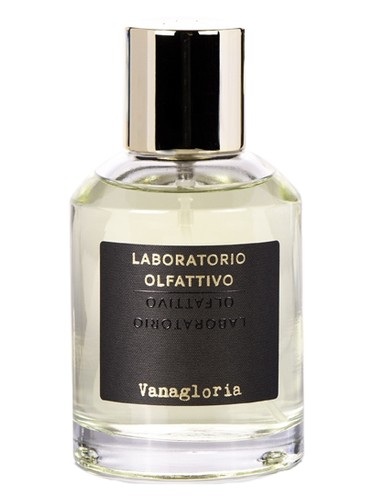
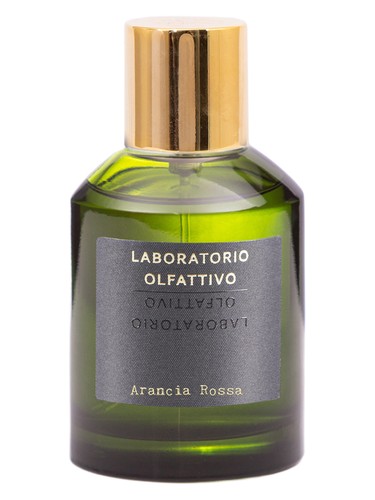
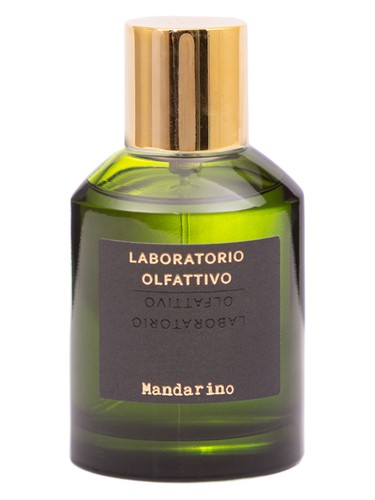
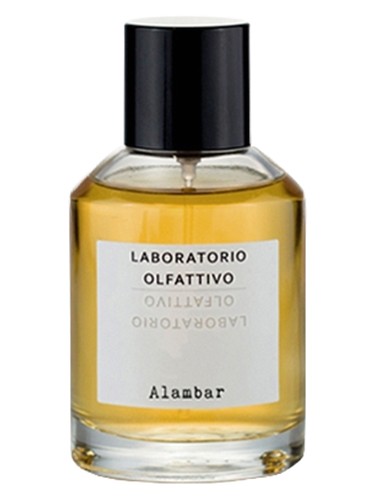
The comparison set reveals Nun''s positioning. It shares DNA with Hermès'' Un Jardin Sur Le Nil in its aquatic-floral freshness, and with Laboratorio Olfattivo''s own Décou-Vert in approach and sensibility. The mention of Coco Mademoiselle suggests shared citrus-patchouli elegance, while Sunshine Woman by Amouage and Marfa by Memo Paris indicate a kinship with perfumes that balance freshness with warmth.
Nun distinguishes itself through restraint. It doesn''t reach for Amouage''s opulence or Memo''s artistic conceptualism. Instead, it stays true to its paradoxical premise: the radiance of spiritual simplicity translated into something joyful rather than severe.
The Bottom Line
At 3.93 stars from over 500 voters, Nun represents reliable quality from a respected niche house. It won''t be everyone''s signature scent—it''s perhaps too polite, too adaptable for that—but it earns its place through sheer wearability and well-balanced composition.
This is a perfume for those who understand that beauty doesn''t always announce itself loudly. If you gravitate toward fresh florals, appreciate aquatic nuances, or need something that transitions seamlessly through seasons and occasions, Nun deserves consideration. It''s a paradox worth exploring: a perfume named for renunciation that instead celebrates light, luminosity, and the quiet pleasure of petals kissed by morning dew.
AI-generated editorial review