First Impressions
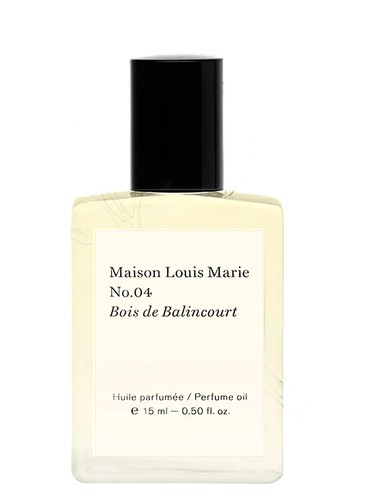
The first spray of No.04 Bois de Balincourt feels like stepping into a sun-dappled forest clearing where someone has just arranged freshly cut cedar planks. There''s an immediate woodiness that doesn''t apologize or equivocate—it simply is. Sandalwood and cedar announce themselves with a creamy, almost tactile quality, while a subtle powdery veil softens the edges. This isn''t a fragrance that shouts for attention; it''s the person at the gathering who draws you in with quiet magnetism rather than performative charm.
What strikes you immediately is the restraint. In an era of loud, projecting fragrances designed to fill rooms and turn heads, Bois de Balincourt opts for intimacy. The opening feels both familiar and deliberate, like a well-worn wooden cabin that somehow always smells exactly right.
The Scent Profile
The composition unfolds with remarkable linearity—a quality that proves either meditative or monotonous depending on your mood and expectations. Those opening notes of sandalwood and cedar establish a woody foundation that never truly relinquishes control. The sandalwood here is creamy rather than milky, with a subtle sweetness that keeps the drier cedar from tipping into austerity.
As the heart develops, vetiver introduces an earthy, slightly grassy dimension that grounds the sweeter woods. Nutmeg and cinnamon add warmth without veering into holiday candle territory—they''re more suggestion than statement, providing a gentle spiced halo around the dominant wood accord. This is where that 27% warm spicy and 20% fresh spicy character emerges, though it''s worth noting these elements remain firmly in supporting roles.
The base settles into amberwood, which adds a subtle resinous quality and extends the woody theme into its final act. The overall impression is of a fragrance that knows exactly what it wants to be: a study in sandalwood with complementary rather than competing players. That 31% powdery accord manifests as a soft, almost talc-like finish that makes the woods feel approachable rather than austere. The 18% earthy character—likely from that vetiver—keeps everything tethered to the forest floor rather than floating into abstraction.
Character & Occasion
The data tells a clear story: this is an autumn and winter fragrance through and through, with fall scoring 100% and winter at 75%. Spring manages a respectable 61%, but summer''s 38% suggests you''ll want to leave this one in the drawer when temperatures rise. The woody-powdery combination that works beautifully in crisp October air can feel heavy and stifling in July humidity.
With an 86% day rating versus 52% night, Bois de Balincourt is decidedly diurnal. This is your Saturday errands fragrance, your casual lunch meeting scent, your work-from-home companion. It lacks the projection and intensity typically associated with evening wear—that "strong projection and longevity" mentioned in community feedback notwithstanding. The discrepancy likely speaks to the fragrance''s intimate sillage: strong to the wearer, subtle to passersby.
Despite the "feminine" classification in the data, this fragrance reads firmly unisex, perhaps even leaning masculine to many noses. The woody dominance and spice elements don''t particularly cater to traditional feminine fragrance expectations of florals or fruits. This is a fragrance for anyone drawn to minimalist, wood-forward compositions.
Community Verdict
Here''s where things get interesting—or rather, notably quiet. With a 6.5/10 sentiment score categorized as "mixed," the Reddit fragrance community offers limited consensus on Bois de Balincourt. The data reveals "minimal community discussion" with "only passing references rather than detailed reviews."
What feedback exists highlights a "rich, herbal scent with prominent patchouli"—though notably, patchouli isn''t listed in the official notes. This could suggest the earthy vetiver and powdery elements create an impression similar to patchouli, or it may reflect individual perception variations. The "strong projection and longevity" receives praise, as does its "unique earthy character."
The cons are telling: "limited mention in community discussions" and "niche brand with fewer reviews available" suggest Bois de Balincourt operates outside the mainstream conversation. It''s not controversial or disappointing—it''s simply under the radar. For a fragrance with 1,545 votes and a solid 3.98/5 rating, this relative silence is notable.
How It Compares
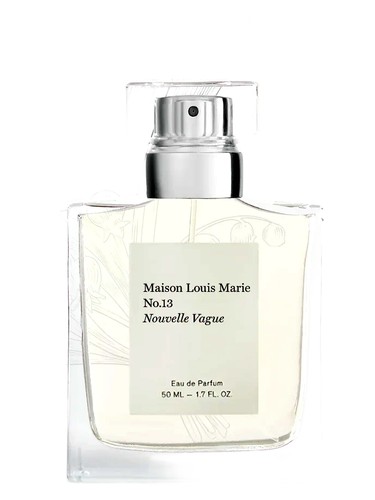
The listed comparisons situate Bois de Balincourt in elevated company: Santal 33 by Le Labo, Gris Charnel by BDK Parfums, Bal d''Afrique by Byredo, and By the Fireplace by Maison Martin Margiela. What these share is a sophisticated, woody sensibility—though each takes dramatically different routes.
Santal 33 is the obvious comparison point, both being sandalwood-forward compositions, though Le Labo''s famous creation leans more heavily into leather and smoke. Bois de Balincourt is softer, more approachable, less aggressively distinctive. It''s the fragrance for people who appreciate Santal 33''s direction but find it too self-consciously cool.
Against this competition, Maison Louis Marie''s offering positions itself as the accessible alternative—both in price point and wearability. It won''t be anyone''s most unique or conversation-starting fragrance, but it might be the one you reach for most often.
The Bottom Line
That 3.98/5 rating from over 1,500 voters tells you everything: this is a solidly good fragrance that rarely inspires passion but consistently delivers satisfaction. It''s the reliable friend rather than the dramatic love affair.
Bois de Balincourt succeeds at what it attempts—a wearable, woody meditation that prioritizes comfort over complexity. If you''re seeking a signature sandalwood that works for daily autumn and winter wear without demanding attention or breaking the bank, this deserves consideration. Its lack of community buzz might actually be a feature rather than a bug for those seeking something quietly distinctive.
However, if you crave evolution, complexity, or conversation-starting uniqueness, look elsewhere in that comparison list. This fragrance''s strength is its consistency, which means its weakness is its predictability. Try it if you appreciate minimalist woody compositions and understand that sometimes the quiet voice in the room has the most worth saying—even if fewer people are talking about it.
AI-generated editorial review