First Impressions
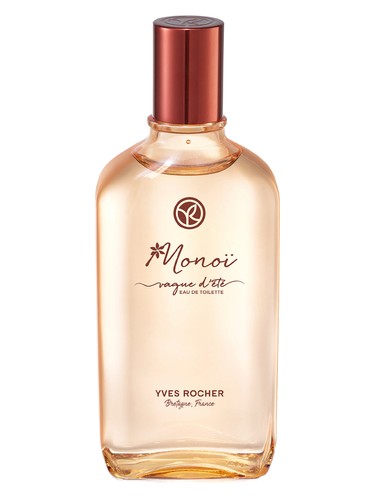
The first spray of Monoï Vague d''été feels like stepping off a plane onto sun-warmed tarmac in Tahiti. There''s an immediate rush of tiare flower—that creamy, narcotic white blossom that Polynesians have been macerating in coconut oil for centuries. This isn''t a timid interpretation or a whispered suggestion of the tropics. Yves Rocher commits fully to the fantasy, delivering a wave of white floral intensity that makes no apologies for its unabashed vacation-in-a-bottle persona. The opening is unapologetically bold, with the tiare flower announcing itself like the first glimpse of turquoise water through palm fronds.
What strikes you within seconds is the authenticity of the monoï accord. This isn''t generic suntan lotion; it''s the real thing—that distinctive marriage of tiare and coconut that''s been a beauty secret of French Polynesia for generations. The scent immediately transports, which is precisely what summer fragrances should do but so rarely achieve with this level of conviction.
The Scent Profile
Monoï Vague d''été builds its entire architecture around tiare flower, and that singular focus becomes its greatest strength. The top note doesn''t waste time with citrus flourishes or aquatic tricks—it''s pure tiare, creamy and indolic, with that characteristic green-white floral quality that sits somewhere between jasmine''s intensity and frangipani''s softness.
As the fragrance settles into its heart, the monoï oil and gardenia create a luxurious mid-phase that deepens the tropical narrative. The monoï oil brings that essential coconut dimension—not the sweet, candied coconut of beach cocktails, but the richer, more nuanced scent of actual coconut oil infused with flowers. The gardenia amplifies the white floral accord, adding a buttery, slightly waxy texture that gives the composition body and presence. This heart phase is where the fragrance lives most comfortably, creating a solar halo of white petals and warm oil that radiates from the skin.
The vanilla base provides a soft landing, rounding out the sharper edges of the white florals without turning the composition gourmand. This isn''t vanilla as dessert; it''s vanilla as a supporting player, adding warmth and longevity while letting the floral elements maintain their prominence. The drydown settles into a skin-scent of sun-warmed flowers and the faintest whisper of sweetness—the olfactory equivalent of salt-kissed skin after a day at the beach.
Character & Occasion
This is a summer fragrance with absolute conviction—the data shows 100% summer suitability, and everything about its composition confirms this. Spring claims 33% seasonal appropriateness, which makes sense for warmer spring days when you''re already dreaming of vacation. But attempting Monoï Vague d''été in the depths of winter (a mere 10% suitability) would feel jarring, like wearing flip-flops in snow.
The 80% daytime orientation tells you everything about this fragrance''s personality. This is for sun-drenched afternoons, beach clubs, outdoor lunches where the dress code involves linen and the beverage menu features rosé. The 23% night vote suggests it can transition into warm evening scenarios—think barefoot dinners on terraces, not cocktail bars or formal events.
The white floral dominance (100%) means this fragrance will appeal most to those who love unabashedly feminine, tropical compositions. The 25% coconut accord might deter those with sunscreen aversions, but for lovers of vacation scents, that''s precisely the point. This is for the woman who doesn''t want subtlety in summer—who views fragrance as an essential part of warm-weather escapism.
Community Verdict
With a 4.06 rating from 739 votes, Monoï Vague d''été has clearly found its audience. Breaking the four-star threshold with a substantial voting base suggests this isn''t a niche curiosity but a genuinely well-executed fragrance that delivers on its promises. The rating indicates broad appeal within its category—this isn''t polarizing so much as purpose-built for a specific mood and season.
Nearly 740 reviewers have weighed in, giving this assessment statistical weight. The community has spoken: when Yves Rocher sets out to capture the essence of Polynesian beauty rituals in fragrance form, they succeed admirably.
How It Compares
The similar fragrance list reads like a who''s who of white floral and tropical compositions. Guerlain''s Terracotta Le Parfum plays in similar sunny territory, while Yves Rocher''s own Monoi Eau des Vahines suggests a house expertise in this genre. More intriguingly, the algorithm connects it to white floral powerhouses like Pure Poison, L''Interdit, and Alien—fragrances at significantly higher price points.
What distinguishes Monoï Vague d''été is its uncompromising tropical character. While Pure Poison and L''Interdit take white florals in more sophisticated, complex directions, this fragrance maintains laser focus on the vacation fantasy. It''s less interested in reinventing the wheel than in perfecting a very specific spoke.
The Bottom Line
Monoï Vague d''été succeeds precisely because it knows exactly what it is. This isn''t trying to be your signature scent or your most complex fragrance. It''s trying to be summer in a bottle, and by that measure, it overdelivers. The 4.06 rating from a substantial community reflects a fragrance that executes its vision with confidence and quality.
For the price point—Yves Rocher positions itself in the accessible luxury category—this represents exceptional value. You''re getting authentic tiare and monoï accords without the premium markup of niche houses. If you''ve ever smelled actual monoï oil and wished you could wear it as fragrance, this is your answer.
Who should try it? Anyone who loves white florals, doesn''t fear coconut, and approaches summer fragrance as an essential accessory rather than an afterthought. Skip it if you prefer subtle, office-appropriate scents or have an aversion to overtly tropical compositions. But if you want to smell like paradise smells—all tiare flowers and warm oil and endless summer—Monoï Vague d''été delivers that fantasy with impressive authenticity.
AI-generated editorial review