First Impressions
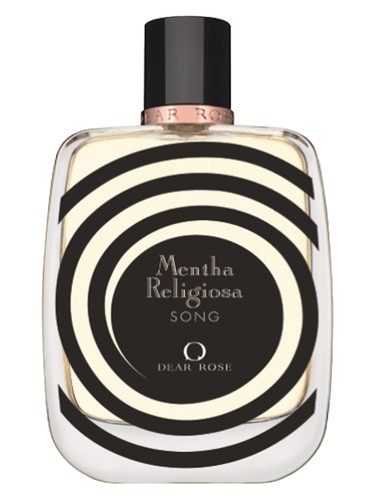
The first spray of Mentha Religiosa is a paradox wrapped in mist. Your nose expects toothpaste; what arrives instead is something far more contemplative. The opening salvo of petitgrain and bergamot creates a citrus-green halo that feels less like a morning wake-up call and more like dawn breaking over a monastery garden. There''s brightness here, yes, but it''s filtered through something deeper—a promise that this mint has read philosophy, burned incense, and emerged wiser for it. Within seconds, you understand the "Religiosa" in the name isn''t mere poetry. This is mint elevated to ritual.
The Scent Profile
Roos & Roos built Mentha Religiosa on a foundation that shouldn''t work on paper: mint as the heart of a luxurious amber fragrance. Yet here we are, and it does.
The opening petitgrain and bergamot act as ushers, clearing the air with their bright, slightly bitter green-citrus energy. They''re crisp without being sharp, aromatic without being astringent. This is the fragrance at its most transparent, its most straightforward—but even here, there''s a softness that hints at what''s beneath.
Then the mint arrives, and it''s nothing like the aggressive menthol blast you''d find in a mojito or a stick of gum. This is mint with intention, mint that''s been macerated in warmth and dried in sacred spaces. It maintains its essential greenness—that cooling, herbal quality that registers immediately as mint—but it''s been gentled, rounded at the edges, made contemplative. The aromatic accord (clocking in at 73% prominence) works in harmony with the green (92%), creating an effect that''s both refreshing and meditative.
As the fragrance settles into its base, the transformation completes. Iris brings its powdery, slightly earthy elegance, while incense adds smoky tendrils that curl around the composition like frankincense in a censer. Amberwood provides the structural warmth that holds everything together—this is where that dominant amber accord (100%) fully reveals itself. Heliotrope contributes a subtle almond-like sweetness, and vanilla rounds out the base with creamy softness that never tips into gourmand territory. The powdery accord (83%) becomes increasingly apparent in the dry-down, creating a skin-like finish that feels both intimate and refined.
What''s remarkable is how cohesive this journey feels. Mentha Religiosa doesn''t fragment into separate acts; instead, it''s a gradual dimming of lights from bright green morning to amber-powdered dusk.
Character & Occasion
The seasonal data tells a clear story: this is a transitional fragrance that thrives in fall (98%) and spring (93%), those in-between moments when the air itself feels contemplative. Winter (73%) works beautifully for the warmth-seekers, while summer (58%) suggests you''ll need to choose your days carefully—cooler summer evenings rather than sweltering afternoons.
This is decidedly a daytime scent (100%), though its 61% night-time viability suggests it has enough depth and warmth to carry into evening if you''re not headed anywhere too formal or seductive. Think weekend brunch, museum visits, long walks through botanical gardens, coffee dates that turn into afternoon conversations. It''s cerebral without being cold, approachable without being casual.
While marketed as feminine, Mentha Religiosa sits comfortably in that sophisticated space where gender becomes irrelevant. Anyone drawn to green-amber fragrances with an intellectual bent will find something to love here. This is for the person who dog-ears poetry collections, who finds meditation in routine, who appreciates that luxury can whisper rather than shout.
Community Verdict
With 406 votes landing at a solid 4 out of 5 stars, Mentha Religiosa has clearly found its audience. This isn''t a fragrance that polarizes—that rating suggests broad appreciation from those who''ve experienced it. Four stars in the fragrance community typically indicates "very good, with perhaps a caveat or two"—likely the mint note itself, which will either enchant you or leave you cold. The substantial vote count also suggests this isn''t some obscure unicorn; it''s accessible enough to have been properly explored and evaluated.
How It Compares
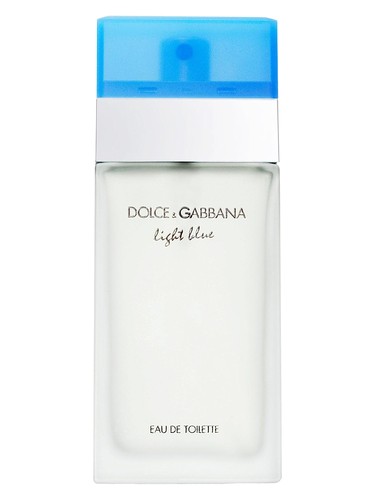
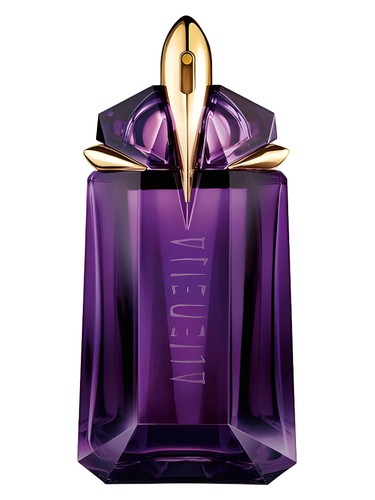
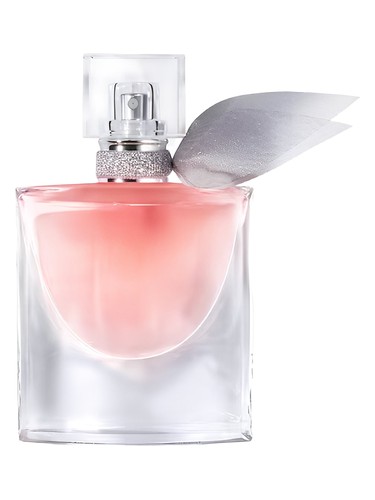
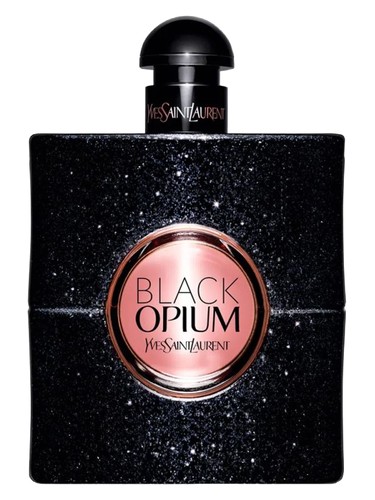
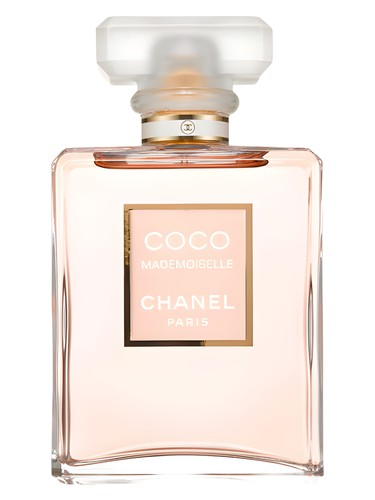
The similar fragrances list reads like a who''s-who of sophisticated amber compositions: Guerlain''s Shalimar, Serge Lutens'' Ambre Sultan, Tauer''s L''Air du Desert Marocain, Margiela''s By the Fireplace, and Lutens'' Fille en Aiguilles. What''s telling is that none of these feature mint prominently—the algorithm is picking up on that amber-incense-powdery DNA that runs through all of them.
Where Mentha Religiosa distinguishes itself is in that green-aromatic opening and heart. While Shalimar goes citrus-to-vanilla and Ambre Sultan luxuriates in resinous warmth, Mentha Religiosa takes the road less traveled, using mint as its unexpected bridge between freshness and depth. It''s less overtly oriental than Ambre Sultan, less classically composed than Shalimar, and more wearable than the intense L''Air du Desert Marocain. Think of it as the approachable intellectual in a room full of dramatic poets.
The Bottom Line
Mentha Religiosa earns its 4-star rating through sheer audacity and execution. Roos & Roos took a note that''s been relegated to functional fragrance and aftershaves, then wrapped it in enough warmth, powder, and incense to make it compelling for serious wear. This isn''t a safe fragrance, but it''s not a challenging one either—it''s simply interesting, which might be the highest compliment in a market saturated with pretty-but-forgettable compositions.
Should you buy it blind? Probably not—that mint note needs to be experienced firsthand to know if it speaks to you. But should you seek out a sample? Absolutely. For anyone who''s ever thought the green-amber category needed more innovation, or who''s wanted their mint to come with philosophical depth rather than dental freshness, this is essential testing. At its best, Mentha Religiosa is proof that there are still unexplored corners in perfumery, still ways to make familiar notes feel revelatory. And sometimes, that''s exactly what your collection needs.
AI-generated editorial review