First Impressions
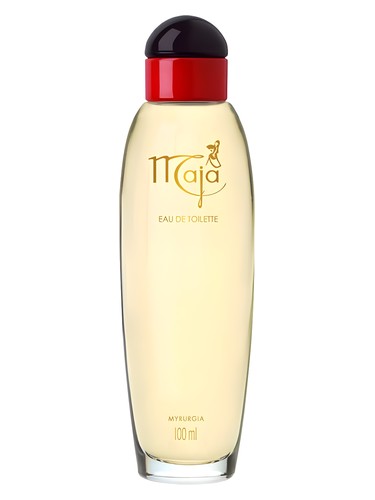
The first spray of Maja transports you to a different era entirely—not through dusty antiquity, but through an almost shocking vibrancy that belies its century-old heritage. That initial burst carries the brightness of citruses and the waxy sweetness of orange blossom, but there''s something more intriguing lurking beneath: a whisper of tobacco leaf and the green, slightly metallic tang of geranium. This isn''t the demure opening of a polite floral. Within moments, the warm spices begin their ascent, and you realize you''re encountering something far more complex than its unassuming presentation might suggest. This is a fragrance that demands you lean in closer, that rewards patience, that refuses to reveal all its secrets at once.
The Scent Profile
Maja''s evolution is a masterclass in old-world perfumery construction. Those opening notes of geranium and citruses create a deceptively fresh introduction, while the tobacco and orange blossom add an almost baroque richness that hints at the opulence to come. But it''s merely the overture.
The heart is where Maja truly reveals its character. Here, carnation takes center stage alongside cloves and nutmeg, creating a warm spicy accord that registers at 100% intensity—the fragrance''s defining characteristic. This isn''t a subtle spiciness; it''s bold, unapologetic, deeply sensual. Rose and jasmine weave through this spiced tapestry, adding floral depth without sweetness, while lavender contributes an aromatic quality that keeps the composition from becoming cloying. Most intriguingly, leather appears in the heart, adding a supple, slightly animalic dimension that gives Maja an unexpected edge.
As the fragrance settles into its base, the patchouli emerges—and this is clearly where community devotion centers. Rich, earthy, complex, and beautifully integrated, it forms the foundation alongside benzoin''s vanilla-tinged sweetness, the golden warmth of amber, and the green, mossy depth of oakmoss. Cypress adds a resinous, almost meditative quality, while tonka bean rounds everything out with its soft, hay-like sweetness. This base is generous and long-lasting, creating that comforting, enveloping sensation that keeps wearers returning to Maja across decades.
Character & Occasion
The data tells a clear story: Maja is an autumn and winter fragrance first and foremost, with fall registering at 100% suitability and winter at 74%. Those warm spices, that rich patchouli, the amber and benzoin—these are notes that crave cooler weather, that bloom against the backdrop of falling leaves and crisp evening air. Spring and summer aren''t entirely off-limits (45% and 42% respectively), but this is decidedly a cold-weather companion.
Interestingly, while Maja performs well during the day (83%), it truly comes alive at night (90%). This makes perfect sense once you experience how the fragrance develops. That spicy, sensual character becomes more intimate and enveloping in evening hours, making it ideal for dinners, cultural events, or simply unwinding at home. The community data reinforces this, highlighting its excellence for evening wear and intimate occasions, even noting its popularity as a bedtime fragrance—a testament to its comforting, nostalgic qualities.
This is decidedly a feminine fragrance, though the spices, leather, and patchouli give it enough complexity that confident wearers of any gender could pull it off. It speaks to someone who appreciates perfumery heritage, who values depth over trendiness, who isn''t afraid of a fragrance with presence.
Community Verdict
The r/fragrance community holds Maja in genuinely high regard, with a sentiment score of 8.2 out of 10 based on five detailed opinions. What emerges most clearly is deep appreciation for that patchouli note—described as "rich, sensual, complex and well-executed." This isn''t the hippie headshop patchouli of cliché; this is patchouli as it should be, integral and sophisticated.
The nostalgic appeal runs deep. Community members speak of "emotional resonance" and "strong personal and familial connections," noting how the fragrance carries cultural significance, particularly within Spanish heritage. It''s described as "cozy and comforting," with appeal that genuinely spans generations—grandmothers and granddaughters finding common ground in this scent.
The practical advantages matter too: Maja performs well across multiple product formats including eau de toilette, soap, shower gel, and talc, allowing devotees to layer the scent or simply maintain that olfactive connection throughout their routines.
The weaknesses? Limited modern availability tops the list. This isn''t sitting on every department store counter, and compared to mainstream fragrances, Maja flies under the radar. There''s also concern about potential reformulations affecting quality—a common worry with heritage fragrances now over a century old.
How It Compares
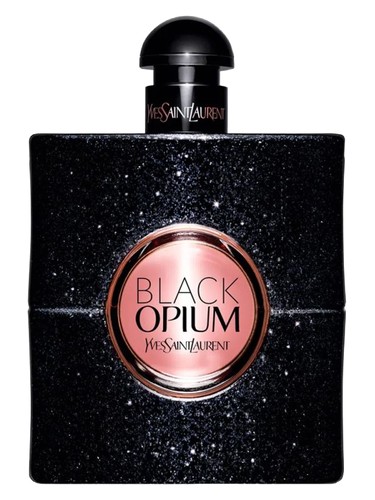
Maja finds itself in fascinating company. Its similar fragrances include powerhouses like Opium (1977) and Aromatics Elixir, alongside classics like L''Air du Temps and Tabu. What these share is uncompromising character—none are shy, none are forgettable. Kenzo Jungle L''Elephant provides perhaps the most direct comparison through its own bold spice and patchouli treatment, though in a more deliberately exotic framework.
Where Maja distinguishes itself is in that specific warm spicy profile combined with genuine affordability and cultural authenticity. While Opium commands luxury pricing and Aromatics Elixir leans more herbal-bitter, Maja offers richness and complexity at a more accessible price point, assuming you can find it.
The Bottom Line
With a rating of 4.08 out of 5 from 636 votes, Maja has earned genuine affection from those who know it. This isn''t inflated hype; it''s the steady appreciation of a fragrance that has survived a century by simply being excellent at what it does.
Should you seek it out? Absolutely, if you appreciate warm, spicy orientals with proper depth. If you''re drawn to patchouli but tired of thin, single-note interpretations, Maja deserves your attention. If you value perfumery history and want to experience how fragrances were composed when artistry trumped focus groups, this is essential wearing.
The availability challenges are real, but they also make discovery more rewarding. This isn''t a fragrance for those chasing the latest release or seeking safe compliments. It''s for the wearer who wants something with soul, with history, with the kind of comforting sensuality that creates memories rather than just pleasant moments. A century on, Maja still has plenty to say.
AI-generated editorial review