First Impressions
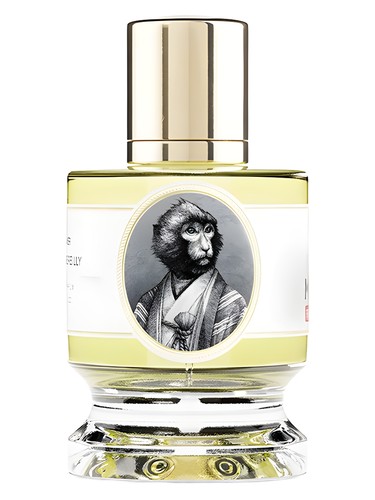
The first spray of Macaque Fuji Apple Edition delivers an immediate contradiction — and a delightful one. Crisp Fuji apple, juicy and bright, pierces through a veil of ceremonial frankincense smoke. It''s as if you''ve bitten into fresh fruit while standing in the doorway of an ancient temple, one foot in nature''s orchard, the other crossing into sacred space. Juniper berries add their gin-like sharpness to this opening, creating an aromatic complexity that transcends the typical "fruity perfume" expectation. This is Zoologist''s signature approach: taking familiar scents and viewing them through an unexpected, almost zoological lens — in this case, imagining a Japanese macaque''s world where mountain forests meet human ritual.
The Scent Profile
The architecture of this fragrance reveals Zoologist''s sophisticated approach to composition. While the apple provides the hook — that immediate recognition factor — it''s the woody and aromatic elements that dominate the structure, accounting for 100% and 83% of the accord profile respectively.
In the opening minutes, that Fuji apple note shimmers with a particular clarity. It''s not candy-sweet or cloying; instead, it reads as realistic fruit flesh with a slight tartness. The olibanum (frankincense) appears immediately alongside it, lending a resinous, almost medicinal quality that elevates the apple beyond simplicity. The juniper berries contribute their piney, slightly bitter edge, creating a fresh spicy character (76% of the accord profile) that feels both invigorating and contemplative.
As the composition evolves into its heart, the Japanese influences become unmistakable. Hinoki wood — that beloved cypress used in Japanese temple construction and bathing rituals — brings its clean, slightly lemony woodiness to the fore. It''s joined by myrrh and labdanum, two ancient resins that deepen the incense quality established by the frankincense. This is where the amber accord (75%) truly materializes, warm and enveloping but never heavy. The interplay between these notes creates something genuinely unusual: a woody composition that maintains freshness even as it develops depth.
The base extends the woody theme established throughout, with olibanum returning for an encore performance alongside oakmoss and sandalwood. The oakmoss lends an earthy, forest-floor quality that grounds the composition, while sandalwood provides creamy smoothness. By this stage, the apple has largely receded, leaving behind only a ghostly suggestion of fruit (39% fruity accord overall) that reminds you of where this journey began.
Character & Occasion
The community data reveals something fascinating: this is overwhelmingly a daytime fragrance (94%) with strong performance across three seasons. Spring wearers rated it at 100%, with summer at 86% and fall at 83%. Only winter lags behind at 28%, which makes perfect sense given the composition''s fresh, airy quality. This isn''t a fragrance that cocoons you against cold weather; it''s meant to be worn with skin exposed to warm breezes.
Picture this as your companion for outdoor spring ceremonies, summer forest hikes, or autumn apple-picking expeditions. It occupies that rare territory between casual and refined — suitable for a Sunday farmers market or a business casual workplace, a yoga class or a gallery opening. The aromatic and woody character leans traditionally masculine in composition, yet Zoologist has positioned this as feminine, proving once again that the best fragrances transcend such limiting categories.
The modest night-wearing score (38%) suggests this isn''t your cocktail party or date night choice. It''s too transparent, too connected to daylight and fresh air for evening glamour. But that''s not a weakness — it''s a clear identity.
Community Verdict
With 378 votes tallying to a 3.75 out of 5 rating, Macaque Fuji Apple Edition sits in solid "very good" territory. This isn''t a polarizing love-it-or-hate-it fragrance, nor is it a universally acclaimed masterpiece. The rating suggests a composition that delivers on its promise — interesting, well-crafted, wearable — without necessarily revolutionizing anyone''s fragrance worldview. For a niche house like Zoologist, known for conceptual boldness, this represents a successful balance between artistic vision and accessibility.
How It Compares
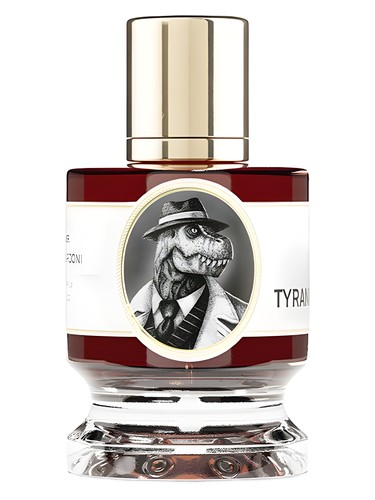
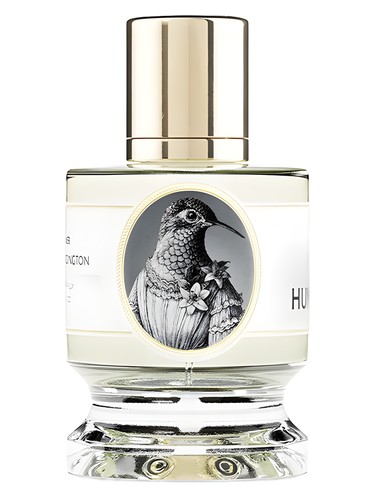
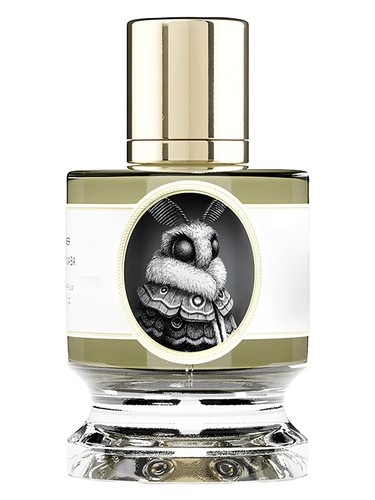
Within Zoologist''s own lineup, Macaque Fuji Apple Edition shares DNA with its sibling Macaque Yuzu Edition, suggesting a deliberate exploration of citrus and fruit notes through different cultural lenses. The brand''s other animal-inspired creations like Tyrannosaurus Rex, Chipmunk, Koala, and Harvest Mouse offer points of comparison, though each takes a radically different olfactive direction. What unites them is Zoologist''s commitment to storytelling through scent — these aren''t generic compositions with animal names slapped on; they genuinely attempt to capture something of each creature''s habitat and essence.
In the broader woody-aromatic category, Macaque Fuji Apple Edition distinguishes itself through that fruit-incense pairing. Many woody fragrances lean either purely green or purely resinous; this one maintains tension between the two poles throughout its development.
The Bottom Line
Macaque Fuji Apple Edition represents Zoologist at their most approachable — conceptually interesting without being challenging, distinctive without being difficult. The 3.75 rating reflects its nature as a reliable, enjoyable fragrance rather than a transcendent experience. For those seeking a sophisticated daytime woody scent with an unexpected fruity opening, this delivers admirably. It''s particularly suited to those who find typical fruity fragrances too sweet and typical woody fragrances too austere.
Should you try it? If you''re drawn to the intersection of East and West in perfumery, if you appreciate fragrances that tell stories, or if you simply want something that pairs fresh apple with temple incense, absolutely. Just know you''re getting a spring and summer staple, not a versatile year-round heavyweight. And sometimes, that''s exactly what your collection needs.
AI-generated editorial review