First Impressions
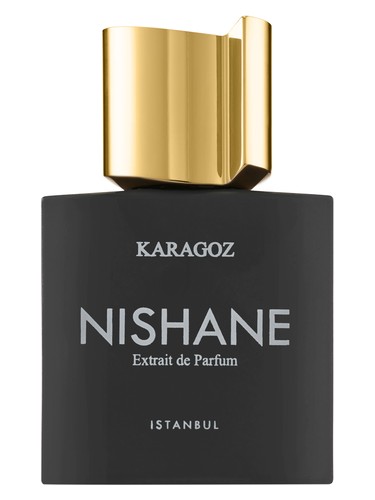
The first spray of Karagoz announces itself with the confidence of a maximalist composition that refuses to whisper when it can shout. Juicy grapes and tropical pineapple burst forth immediately, their sweetness tempered by an unexpected herbal sharpness that adds an intriguing green edge. This isn''t the polite fruit basket of mainstream feminine fragrances—it''s bolder, stranger, almost confrontational in its intensity. Within seconds, you understand why this fragrance has earned its reputation as a love-it-or-hate-it proposition. The fruity accord dominates completely at 100%, but there''s already a hint of the complexity—or chaos, depending on your perspective—that lies ahead.
The Scent Profile
Karagoz opens with that distinctive grape-pineapple combination, a pairing that immediately draws comparisons to certain iconic masculine fragrances despite its feminine classification. The herbal notes add a verdant, slightly bitter quality that prevents the opening from becoming cloying, though they contribute to what some wearers describe as a disjointed introduction. This top phase leans heavily into the 68% sweetness and 61% green accords, creating an interesting tension between candy-like ripeness and garden-fresh astringency.
The heart is where things become genuinely complicated. Neroli brings its characteristic bitter-orange radiance, jasmine adds indolic floralcy, and patchouli introduces an earthy, slightly musty depth. These are not shy notes—each fights for attention rather than blending harmoniously. The 43% earthy accord becomes pronounced here, while the 41% aromatic quality adds another layer to an already crowded composition. For some wearers, this creates fascinating complexity; for others, it''s simply too much happening at once, like listening to three different songs simultaneously.
The base settles into woody and amber territory, with vetiver''s smoky grassiness, oud''s animalic darkness, and amber''s resinous warmth forming the foundation. The 54% woody accord anchors the fragrance in its final hours, though traces of that insistent fruitiness never entirely disappear. The performance during this phase is nothing short of remarkable—Karagoz projects with authority and clings to skin for hours, a testament to Nishane''s construction prowess even when the composition itself proves challenging.
Character & Occasion
According to wearer data, Karagoz finds its sweet spot in fall (100%) and spring (94%), with winter (81%) also providing suitable conditions. Summer, at 58%, is the most challenging season—unsurprising given the fragrance''s density and projection. This is a perfume that demands cooler weather to properly breathe and avoid becoming overwhelming.
Interestingly, despite its feminine classification, the day/night split reveals near-universal versatility: 81% for day wear, 88% for evening. This suggests that while Karagoz can technically be worn anytime, it performs slightly better in evening settings where its boldness feels more contextually appropriate. The fragrance reads as occasion-specific despite its time flexibility—think autumn dinner parties, spring evening events, or winter afternoon gatherings rather than casual daytime wear or office environments.
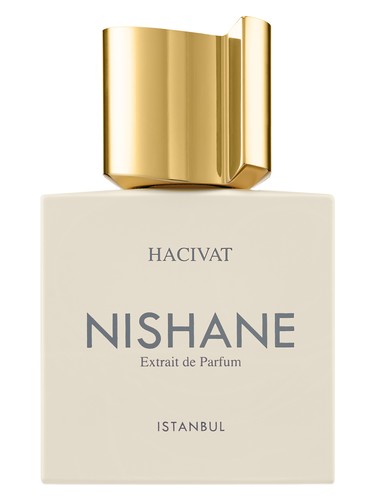
The similar fragrances list tells a revealing story: Aventus by Creed, Hacivat by Nishane, Layton by Parfums de Marly, Reflection Man by Amouage, and Alexandria II by Xerjoff are all predominantly masculine fragrances. This connection isn''t accidental—Karagoz shares DNA with the fruity-woody genre popularized by these powerhouses, suggesting it might appeal most to those who appreciate bold, traditionally masculine compositions but want a different spin on the theme.
Community Verdict
The Reddit fragrance community delivers a mixed verdict with a sentiment score of 5.2 out of 10, and that lukewarm rating tells an important story. With 1,178 votes yielding a 3.84/5 rating on the broader platform, Karagoz sits firmly in "interesting but flawed" territory.
The praise centers on undeniable strengths: exceptional longevity and projection earn consistent acclaim, as does Nishane''s quality construction. Wearers appreciate the unique and complex scent profile, and those who connect with it find it works beautifully as a fall and winter fragrance. These are the voices in the "love it" camp of this divisive release.
The criticisms, however, are pointed and recurring. "Extremely heavy and overwhelming" appears repeatedly in wearer experiences. The core complaint isn''t simply that Karagoz is bold—it''s that the numerous notes create confusion rather than harmony. Too many competing elements fight for dominance, resulting in what several community members describe as a muddled or conflicting composition. The fragrance proves challenging to wear outside or in warmer weather, and the consensus strongly recommends sampling before purchasing.
The community''s practical advice is telling: minimal application is essential for those who appreciate it, and it''s best reserved for specific seasonal contexts. This isn''t a reach-for-it-daily fragrance; it''s a calculated choice for particular occasions.
How It Compares
Positioned alongside its similar fragrances, Karagoz occupies an unusual space. It takes the fruity-woody template that made Aventus a phenomenon and Hacivat a worthy successor, then attempts to feminize and complicate it. Where Hacivat streamlines and refines, Karagoz adds layers. Compared to Layton''s sophisticated sweetness or Reflection Man''s elegant complexity, Karagoz feels more experimental, more willing to risk incoherence in pursuit of distinctiveness.
Within Nishane''s own lineup, Karagoz represents the brand''s ambitious side—the willingness to create challenging compositions that prioritize uniqueness over universal appeal.
The Bottom Line
Karagoz is a fragrance that respects your intelligence but doesn''t always respect your comfort. Its 3.84 rating and mixed community sentiment reflect a truth about niche perfumery: exceptional performance and quality construction don''t automatically translate to wearability. This is a fragrance that does exactly what it intends—creates a bold, complex, fruit-forward composition with serious longevity—but whether those intentions align with what you actually want to wear is another question entirely.
Should you try it? Absolutely, if you''re drawn to fruity-woody compositions, appreciate bold seasonal fragrances, and have the confidence to wear something genuinely divisive. Should you blind-buy it? Absolutely not. This is sample-first territory, and even then, approach with one spray rather than three.
For the right person in the right season, Karagoz offers something genuinely unique. For everyone else, it''s a fascinating experiment that''s best appreciated from a distance.
AI-generated editorial review