First Impressions
The moment Jeanne Lanvin My Sin touches skin, you understand why this 1924 creation caused such a stir. That name—My Sin—wasn''t merely provocative marketing; it was a promise of something forbidden, something utterly at odds with the demure expectations of the era. The opening delivers on that audacity with a luminous blast of aldehydes and neroli that feels both vintage and startlingly modern. There''s an effervescence here, a champagne-bubble sparkle softened by clary sage''s herbal whisper and the bright citrus duo of bergamot and Amalfi lemon. But this freshness is fleeting, a brief moment of propriety before the fragrance reveals its true, unapologetically sensual character.
The Scent Profile
The aldehydic opening—that signature shimmer of early 20th-century perfumery—gives way almost immediately to one of the most opulent white floral hearts in the classical canon. Jasmine arrives first, creamy and indolic, quickly joined by ylang-ylang''s banana-like richness and the cool, rooty elegance of orris. This isn''t a clean, modern white floral bouquet; it''s dense, complex, almost overwhelmingly lush. Narcissus adds a green, slightly narcotic edge, while rose and lily-of-the-valley provide classic femininity. Then comes the surprise: clove, adding a warm spiciness that keeps the florals from becoming too sweet or soapy, and lilac, which contributes a vintage powderiness that defines much of this fragrance''s character.
But My Sin''s real revelation happens in the base, where it transforms from a floral composition into something far more carnal. The musk—and make no mistake, musk dominates here at 100% according to its accord profile—is animalic and skin-like, bolstered by civetta (civet), which adds that notorious feral quality that modern reformulations often scrub away. This isn''t polite; it''s intimate, almost uncomfortably so. Styrax and tolu balsam provide balsamic sweetness, while vetiver and woody notes anchor the composition with earthy depth. A whisper of vanilla rounds everything out, but this is no gourmand moment—it''s merely a softening touch on what remains a decidedly grown-up, complex fragrance that wears close and warm, revealing itself in waves throughout the day.
Character & Occasion
My Sin is emphatically a cold-weather fragrance, and the community data confirms what your nose already knows: this is a scent that thrives in fall (82%) and winter (78%), when its rich, musky warmth feels like a second skin rather than an imposition. In spring (44%), it might work on cooler days, but summer (27%) is simply too hot for this level of intensity. The powdery, animalic base needs crisp air to breathe properly.
As for timing, the numbers tell a clear story: while 41% of wearers find it acceptable for daytime, a full 100% embrace it for evening wear. This is a perfume that comes alive under dimmed lights, in intimate settings where its musky, skin-like qualities can work their magic without overwhelming. It''s the scent of theatre lobbies and candlelit dinners, of velvet and silk rather than cotton and linen.
Who is this for? Anyone who appreciates vintage perfumery in its full, unreformed glory—who wants to smell the genuine article, not a sanitized version. It demands confidence and a tolerance for complexity. This isn''t a crowd-pleaser; it''s a statement for those who understand that beauty doesn''t always mean prettiness.
Community Verdict
With a rating of 4.32 out of 5 from 406 votes, My Sin enjoys serious respect among those who''ve experienced it. That''s a remarkable achievement for a fragrance nearly a century old, especially one that hasn''t received the same marketing attention as some of its contemporaries. These aren''t casual ratings—406 votes suggest a dedicated following who''ve sought out this scent specifically, worn it extensively, and found it worthy. The score indicates a fragrance that delivers on its promise, that rewards patience and understanding, even if it won''t appeal to everyone.
How It Compares
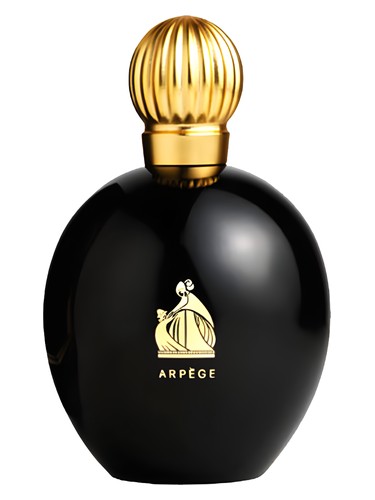
My Sin sits comfortably among the titans of early 20th-century perfumery. Its spiritual siblings include Chanel No 5 Parfum, perhaps the most famous aldehydic floral of all time, and Lanvin''s own Arpège, another masterpiece of the era. The connection to Bal à Versailles and Paloma Picasso makes sense—these are all fragrances unafraid of animalic musks and vintage sensibilities. The comparison to Miss Dior (the original) is particularly apt; both share that powdery, chypre-adjacent elegance with an edge of wildness.
What sets My Sin apart is its particular balance: it''s slightly less austere than No 5, more floral than Bal à Versailles, and distinctly muskier than Arpège. It occupies its own space—sophisticated but sensual, refined but raw.
The Bottom Line
Jeanne Lanvin My Sin isn''t for everyone, and that''s precisely why it matters. In an age of focus-grouped fragrances designed for maximum appeal, here''s something genuinely challenging, genuinely distinctive. Its 4.32 rating reflects appreciation from those who understand what it''s trying to do—and succeeding at doing.
Should you try it? If you love vintage perfumery, if you''ve been disappointed by modern reformulations that strip away everything interesting, if you want to smell genuinely different, absolutely. But approach with realistic expectations: this is potent, animalic, and decidedly old-school. Sampling is essential before committing. For the right person, though, My Sin is nothing less than revelatory—a direct connection to an era when perfume was allowed to be dangerous, when a name like "My Sin" wasn''t ironic but aspirational. Nearly a century later, it still feels like getting away with something deliciously forbidden.
AI-generated editorial review